


Looking for a breakfast that is both traditional and modern, delicious and incredibly healthy? Meet Oats Adai, a creative spin on a beloved South Indian classic that brings together the wholesome goodness of oats and protein-packed pulses.
The Traditional Adai Explained
Adai is a popular
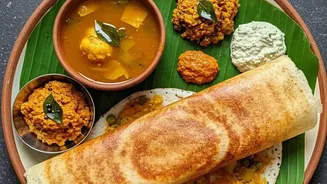
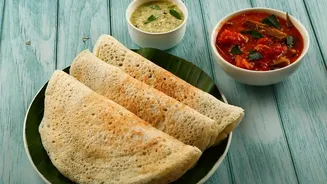
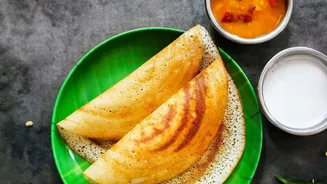
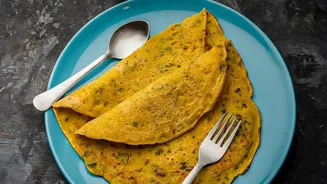
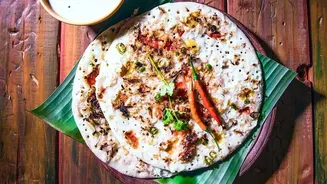
savoury pancake from South India, particularly prominent in Tamil Nadu. Visually similar to a dosa but thicker and more nutrient-dense, it's made from a coarse batter of rice and a mix of lentils (dals). Typically, this includes toor dal (pigeon pea), chana dal (Bengal gram), and urad dal, which are soaked and ground with spices like red chillies, asafoetida, and curry leaves. Unlike most dosa batters, traditional adai batter does not require fermentation, making it a relatively quick dish to prepare once the ingredients are soaked. It's known for being a filling and protein-rich meal, often served for breakfast or dinner.
The Healthy Twist: Why Add Oats?
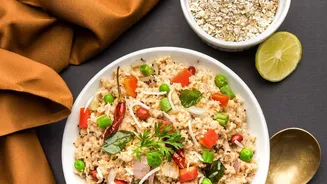
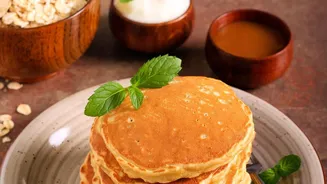
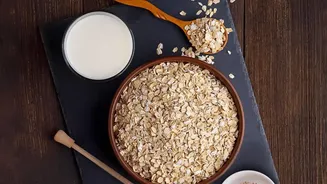
Introducing oats is where this traditional recipe gets a modern, health-conscious update. Oats replace some or all of the rice, making the adai lighter without sacrificing substance. Oats are celebrated for their impressive nutritional profile. They are an excellent source of soluble fibre, particularly beta-glucan, which is known to help lower cholesterol and stabilize blood sugar levels. This high fibre content also promotes a feeling of fullness, which can help with weight management by keeping hunger at bay until your next meal. By incorporating oats, the adai becomes not just a protein powerhouse but also a fantastic source of slow-release energy to fuel your morning.
The Unchanging Hero: The Power of Pulses
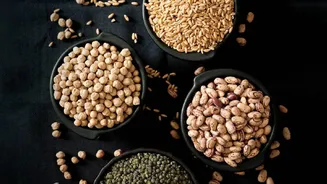
While oats bring a new dimension, the heart of adai remains its blend of pulses. The combination of various dals like toor, chana, moong, and urad dal is what makes adai so nutritionally robust. Pulses are a cornerstone of a balanced vegetarian diet, offering high-quality plant-based protein, essential amino acids, and a wealth of minerals like iron, magnesium, and zinc. This multi-dal approach ensures a more complete protein source than any single lentil could provide. This protein is vital for muscle repair, energy, and overall body function. The dals, when ground into a coarse batter, also give the adai its signature hearty and satisfying texture, which stands up well to the addition of oats.
Crafting the Perfect Oats Adai Batter
Making Oats Adai batter is straightforward. The key is in the soaking and grinding. Start by soaking a mixture of your chosen dals—a common combination is toor dal, chana dal, and a smaller amount of urad dal—in water for at least three to four hours. Some recipes also include moong dal. In a separate bowl, you can either soak rice for a few hours or skip it entirely for a pure oats-and-dal version. Once soaked, drain the dals and grind them into a coarse paste along with flavouring agents like dried red chillies, ginger, and fennel seeds. Next, incorporate the oats. You can use quick cooking oats directly or grind rolled oats into a powder before mixing it into the dal paste. Add salt, asafoetida, finely chopped onions, and fresh coriander leaves to the batter. Mix everything well, adding water as needed to achieve a thick, spreadable consistency, similar to a thick pancake batter. No fermentation is needed, so you can start cooking right away.
Cooking and Serving Your Adai
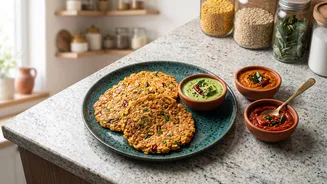
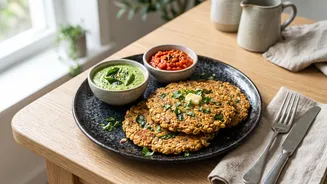
To cook the adai, heat a flat tawa or nonstick pan over medium heat. Pour a ladleful of the batter onto the centre and spread it into a circle, keeping it slightly thicker than a regular dosa. A traditional technique involves making a small hole in the centre of the adai, which helps it cook evenly. Drizzle a little oil or ghee around the edges and in the centre. Cook for 2–3 minutes until the bottom is golden brown and crisp, then flip and cook the other side for another couple of minutes. Oats Adai is wonderfully versatile. It can be served hot with traditional accompaniments like coconut chutney, sambar, or aviyal (a mixed vegetable stew). For a simpler and equally delicious pairing, it goes beautifully with a piece of jaggery or a dollop of white butter.