




Essential Tips for a Perfect Starry Night
Before you travel, a little planning can make the difference between a cloudy disappointment and a spectacular cosmic show. First, consult a lunar calendar. The darkest skies occur during the new moon phase, when moonlight won't wash out fainter stars
and the Milky Way. Second, check the weather forecast religiously. Clear, dry air is essential for good visibility. Finally, give your eyes time to adapt. It takes about 20-30 minutes for your eyes to fully adjust to the darkness, revealing a sky dense with stars you never knew there were. Using a red-light torch instead of a white one will help preserve your night vision.
Spiti Valley, Himachal Pradesh: The Cold Desert
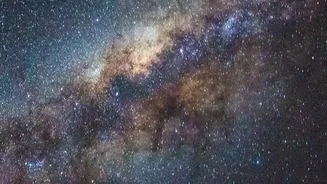
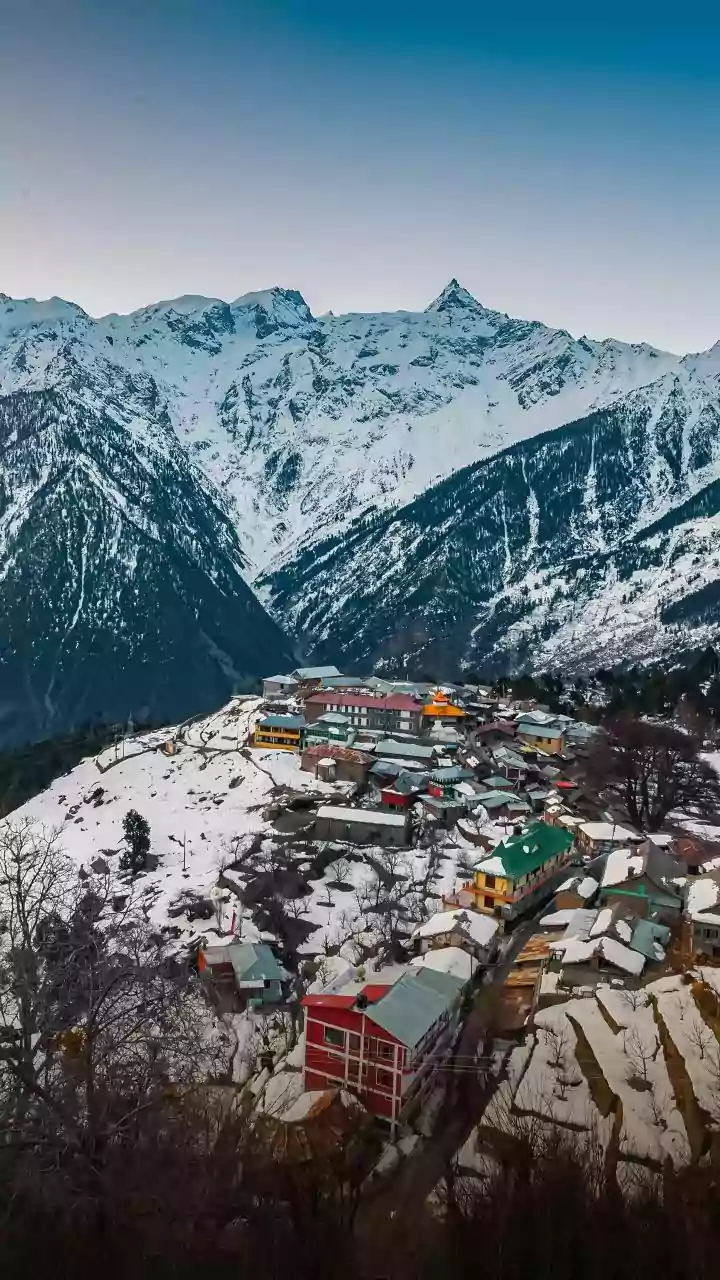
Often called 'Little Tibet', Spiti Valley is a high-altitude cold desert that offers some of the darkest skies in India. With villages like Kaza and Langza situated above 4,000 metres, there is minimal light pollution and atmospheric distortion. On a clear night, the Milky Way is not just visible; it's a brilliant band of light stretching across the horizon. The thin, dry air contributes to exceptional clarity, making it a dream destination for astrophotographers and stargazers alike. Plan your visit between May and October for the best conditions, as this period offers clear skies before the harsh winter sets in. July and August are considered peak months for Milky Way visibility.
Ladakh: The Roof of the World
Ladakh is an astronomer's paradise, renowned for its high-altitude deserts and exceptionally clear skies. The region is home to Hanle, India's first and only Dark Sky Reserve, chosen specifically for its 250+ clear nights per year. At an altitude of 4,500 metres, Hanle provides a viewing experience with almost no atmospheric interference. Beyond Hanle, other spots like Nubra Valley and Pangong Tso offer surreal backdrops for stargazing, with the lake's still waters sometimes reflecting the stars above. The best time to visit Ladakh for this celestial experience is during the summer months, from May to September, when the weather is favourable and roads are accessible.
Rann of Kutch, Gujarat: The Salt Desert
The vast, flat expanse of the Great Rann of Kutch provides a unique 360-degree horizon with virtually no light pollution, making it an incredible canvas for the night sky. The air during the winter season is exceptionally dry, leading to remarkably clear and stable viewing conditions. While the famous Rann Utsav festival brings some light near the main tent city, a short drive away reveals pristine darkness. The best time for stargazing here is from November to February, which coincides with the festival. A new moon night will reveal the winter arm of the Milky Way, while a full moon creates an unforgettable sight of the salt flats glowing under its light.
Coorg, Karnataka: The Southern Skies
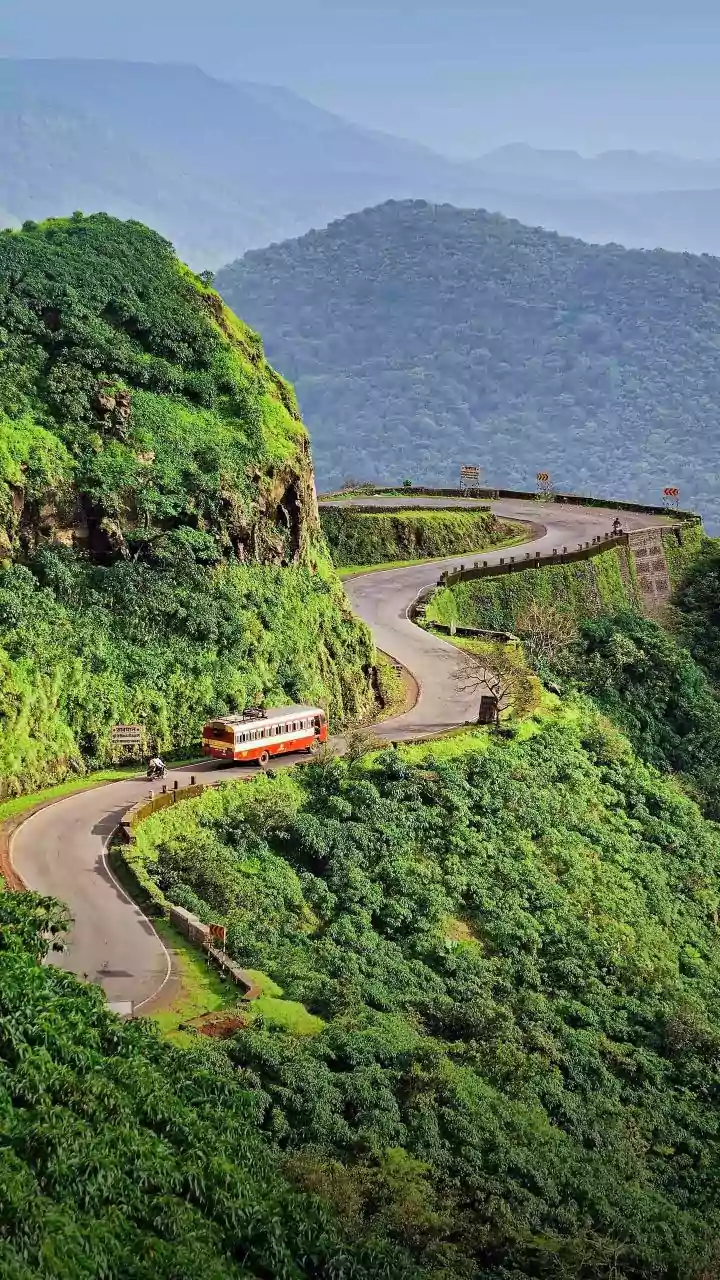
You don't need to travel to the Himalayas for a great stargazing experience. Nestled in the Western Ghats, Coorg offers surprisingly clear skies, especially after the monsoon. Its elevation and distance from major cities mean less light pollution, and the crisp, post-monsoon air enhances visibility. This makes it one of the most accessible dark sky destinations in South India. The ideal window for a stargazing trip to Coorg is from October to February, when the skies are clear and the weather is pleasant. Some homestays and eco-lodges in the area even host bonfire and telescope sessions for guests.
Neil Island, Andaman and Nicobar: Coastal Cosmos
For a truly different stargazing experience, head to the beaches of Neil Island (Shaheed Dweep). Far from the mainland's light pollution, this tranquil island offers pitch-dark skies over the ocean. Imagine lying on a quiet beach like Laxmanpur or Sitapur, with the sound of waves as your soundtrack and a canopy of thousands of stars above. The best time to visit for the clearest nights is during the dry season, from October to May, when you can see the Milky Way on moonless nights.