



The Dark Side of Lush Growth
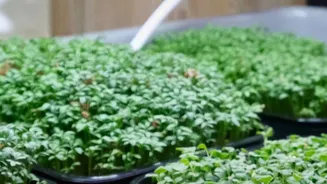
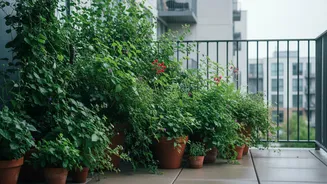
While fast-growing plants are a joy to behold, the monsoon's high humidity and constant moisture create hidden risks. When plants grow too close together, their leaves form a dense canopy that traps damp air and prevents sunlight from reaching the lower
parts of the plant. This environment is an open invitation for fungal diseases like powdery mildew, leaf spot, and root rot. These conditions, common during the rainy season in India, can quickly turn a thriving garden into a struggling one, with yellowing leaves, wilting stems, and stunted growth. The lack of air movement means leaves stay wet for longer, making them more vulnerable to infection.
The Art of Monsoon Pruning
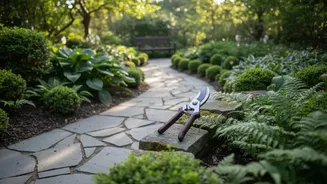
Pruning is one of your most effective tools for monsoon garden care. Regular trimming helps manage the rapid, sometimes uneven, growth spurred by the rains. Focus on removing dead or yellowing leaves, weak stems, and any branches that are growing inward or crossing others. This selective removal, known as crown thinning, opens up the plant's structure, allowing air to circulate freely and sunlight to penetrate deeper. Use clean, sharp shears to make precise cuts, which helps the plant heal faster and reduces the risk of infection. For flowering plants like roses and hibiscus, pruning away spent blooms encourages new growth and more flowers.
Let Your Plants Breathe
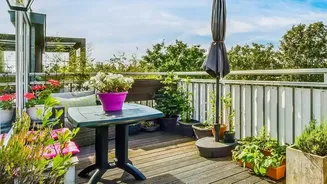
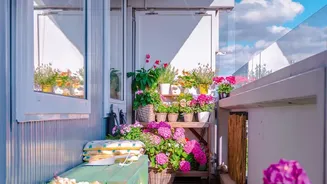
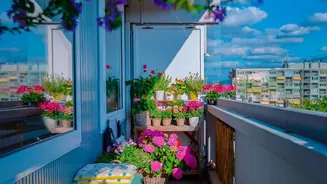
Good air circulation is as vital to a plant as water and nutrients, especially in humid climates. Stagnant, damp air is the primary cause of many fungal infections that plague gardens during the monsoon. Improving airflow is a simple, preventative measure. Avoid planting too close to walls or other dense shrubs. You can also thin out the lower leaves of larger plants to help air move more easily around the base. For potted plants, simply spacing them further apart on your balcony or patio can make a significant difference. This simple act of creating space helps leaves dry faster after a downpour, drastically reducing the chances of fungal spores taking hold.
Give Plants Their Personal Space
Proper spacing is the foundation of a healthy garden and prevents many problems before they start. When buying new plants, always consider their mature size, not just how they look in the nursery pot. Overcrowding forces plants to compete for sunlight, water, and nutrients, leading to weaker growth. If your existing garden beds or pots are already too crowded, it's not too late. You can carefully transplant some plants to new locations or thin out seedlings to give the remaining ones enough room to flourish. As a general rule for container gardens, leave at least 15-30 cm between smaller plants like herbs and 30-45 cm for medium-sized vegetables. This ensures each plant has the resources and airflow it needs to thrive.
Essential Monsoon Support
Beyond pruning and spacing, a few extra steps can bolster your garden's defences. Ensure all your pots have adequate drainage holes to prevent waterlogging, which is a leading cause of root rot. You can elevate pots on bricks or stands to help excess water escape. Be vigilant for common monsoon pests like slugs and snails, which thrive in damp conditions. Applying a light, preventative spray of neem oil every 15 days can help deter both pests and fungal issues. Finally, hold off on heavy fertilising during the peak rains; a light layer of compost is often sufficient as the rain itself washes some nutrients into the soil.