




Protein and Its Building Blocks
Think of protein as a long chain made of smaller links called amino acids. Your body needs 20 different amino acids for countless functions, from repairing tissues to building muscle and supporting your immune system. Of these 20, nine are called 'essential
amino acids' (EAAs). Your body can't make these on its own, so you must get them from food. When it comes to building lean muscle, getting enough of all nine essential amino acids is non-negotiable. They are the raw materials your body uses for muscle protein synthesis—the process of repairing and growing muscle fibers after a workout.
The 'Complete' vs. 'Incomplete' Question
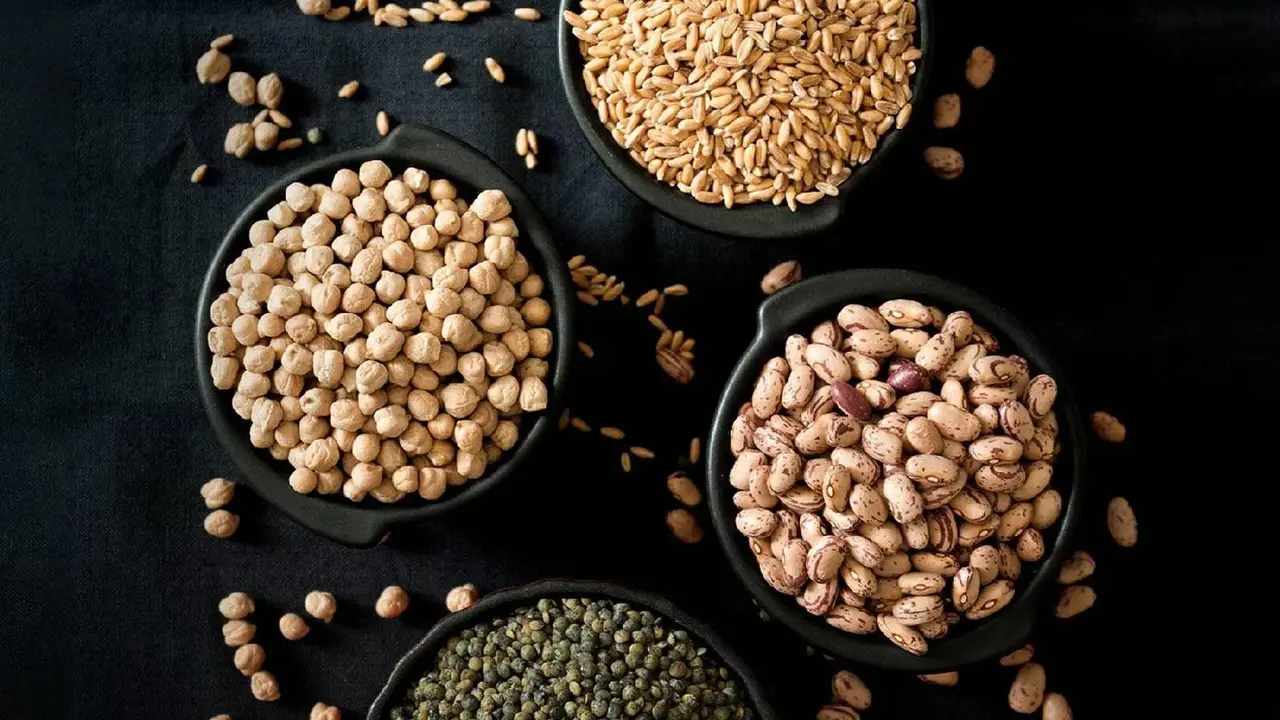
You've likely heard the terms 'complete' and 'incomplete' protein. A complete protein is a food source that contains all nine essential amino acids in adequate amounts. Animal-based proteins like whey, casein, meat, and eggs are naturally complete. On the other hand, most individual plant protein sources are considered 'incomplete'. This doesn't mean they are bad; it simply means they might be low in one or more of the essential amino acids. For example, many legumes are low in the amino acid methionine, while many grains are low in lysine. This is where the concern for those on a plant-based diet has traditionally come from: are they getting the right building blocks for optimal muscle growth?
How Blending Creates a Powerful Solution
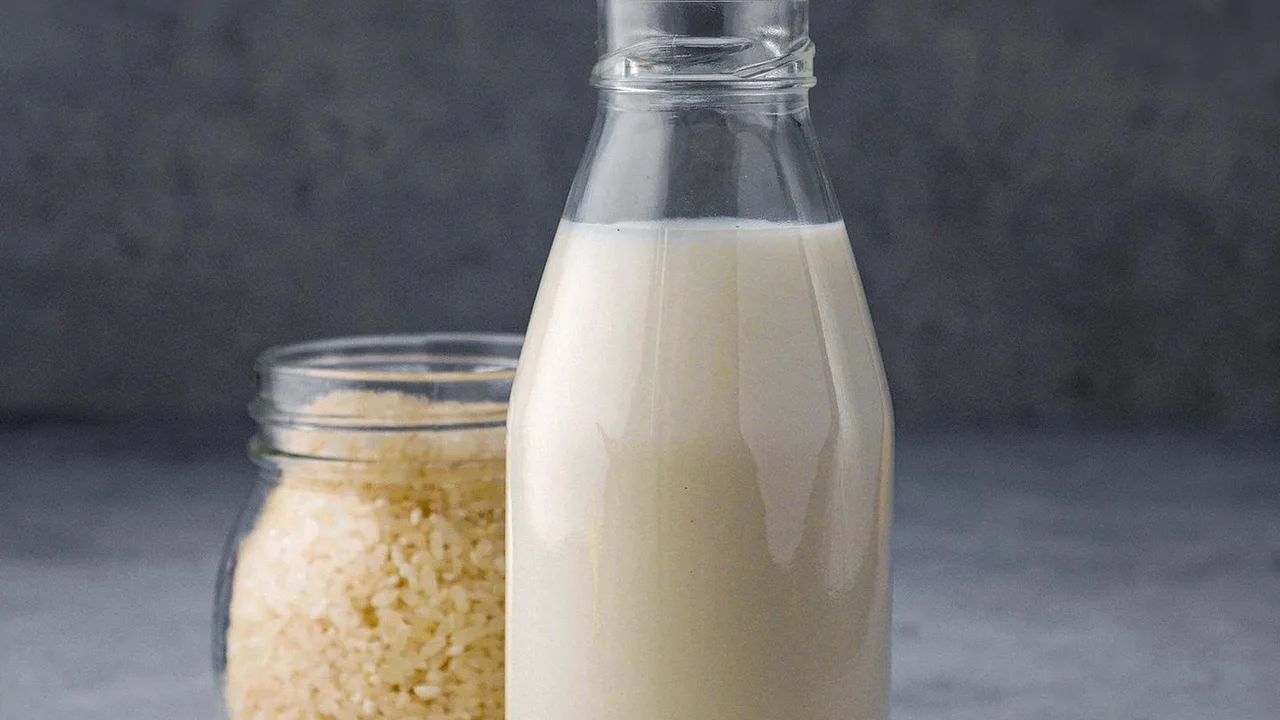
This is where the genius of plant-based protein blends comes in. By combining different plant protein sources, formulators can overcome the limitations of a single source. This concept is known as protein complementarity. A classic and effective example is blending pea protein with rice protein. Pea protein is rich in lysine but lower in methionine. Rice protein is the opposite—lower in lysine but with a good amount of methionine. When you combine them, their amino acid profiles complement each other, creating a final product that supplies all nine essential amino acids in robust quantities, similar to what you’d find in animal-based proteins like whey. Studies have shown that these well-designed plant blends can mimic the amino acid profile of animal proteins with a high degree of similarity.
Unlocking Maximum Muscle Support
A complete amino acid profile is crucial, but for muscle growth, one amino acid plays a starring role: leucine. Leucine is a branched-chain amino acid (BCAA) that acts as the primary trigger for muscle protein synthesis. It's like the key that starts the engine for muscle repair and growth. While animal proteins like whey are naturally very high in leucine, many plant sources are not. However, by creating smart blends and ensuring an adequate serving size, plant protein powders can deliver the necessary amount of leucine to kickstart the muscle-building process effectively. Studies have shown that as long as total protein intake and leucine levels are sufficient, plant protein blends can support muscle mass and strength gains just as effectively as whey protein. This means you're not compromising on results when you choose a high-quality plant blend.