


The Hidden Enemies of Solar Power
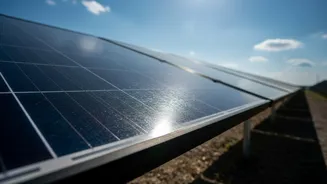
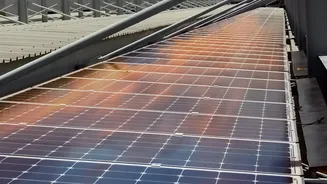
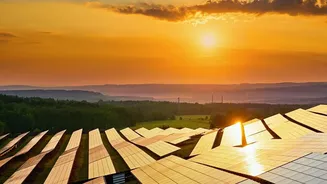
Solar panels are a cornerstone of our transition to renewable energy, but they have a persistent vulnerability: the environment itself. Constant exposure to the elements takes a toll. Ultraviolet (UV) radiation from the sun, extreme temperature fluctuations,
moisture, dust, and even bird droppings degrade the surfaces of photovoltaic (PV) panels over time. This gradual damage reduces their efficiency, meaning they convert less sunlight into electricity and have a shorter operational lifespan. In harsh environments—like scorching deserts, humid tropical regions, or areas with significant industrial pollution—this degradation happens even faster, making it a critical challenge for maximizing our return on solar investments. For solar energy to be truly reliable and cost-effective everywhere, panels need a better form of armour against the daily onslaught from Mother Nature.
Nature's Ultimate Sunscreen
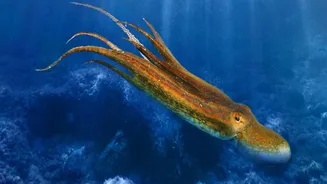
Enter melanin, one of nature's most remarkable materials. It's the pigment that gives colour to our skin, hair, and eyes, and its primary role is protection. Melanin is an expert at absorbing and scattering harmful UV radiation, converting it into harmless heat before it can damage sensitive cells and DNA. While present throughout the animal kingdom, one of the most concentrated sources is found in the ink of cephalopods like squid and cuttlefish. This dark, dense eumelanin is a potent photoprotective substance. Scientists have long been fascinated by its ability to provide such effective, broad-spectrum UV defense, wondering if its protective properties could be harnessed for technological applications. Its resilience and natural origin make it an ideal candidate for creating sustainable, high-performance materials.
From Cephalopod to Coating
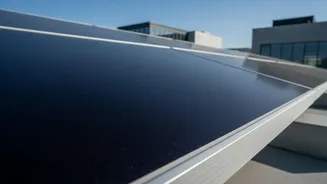
The leap from squid ink to a high-tech solar coating involves sophisticated science. Researchers have developed methods to extract natural melanin from sources like squid ink or to create synthetic versions in the lab that mimic its structure. These melanin nanoparticles are then integrated into polymer composites to create a thin, durable film. In some research, these purified melanin particles are coated onto the panel's surface layers. The goal is to create a bio-synthetic material that leverages melanin's natural talents. The resulting coating acts as a physical barrier that not only blocks UV radiation but also demonstrates other useful properties, such as repelling water and resisting degradation. Because melanin is a biopolymer, it is more environmentally friendly than some of the synthetic chemicals currently used in protective coatings, opening the door to greener manufacturing processes.
A Shield for Extreme Conditions
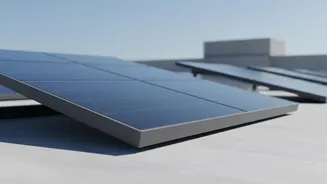
A melanin-based coating offers several key advantages for solar panels destined for extreme climates. Its primary benefit is superior UV absorption, which prevents the underlying panel materials from breaking down under intense sunlight. By shielding the solar cells, the coating helps maintain their peak efficiency for longer. Furthermore, studies on related bio-inspired coatings show that surface texture and material choice can provide self-cleaning properties, where rain can easily wash away performance-hindering dust and grime. Some advanced coatings can even help regulate panel temperature, another critical factor for performance, as excessive heat can significantly reduce a solar cell's power output. This combination of UV protection, durability, and potential self-cleaning and thermal regulation makes a melanin-based shield a promising all-in-one solution for protecting solar infrastructure in the world's toughest environments.
The Future of Durable Solar
The research into melanin-based coatings is part of a broader trend in materials science known as biomimicry—looking to nature for solutions to human challenges. While still in the research and development phase, the results are promising. Scientists are continuing to refine the composition of these bio-synthetic films and test their long-term durability. The potential applications extend beyond just solar panels; such a material could be used as a protective pigment in paints and other outdoor materials that are prone to UV damage. If this technology can be scaled up affordably, it could make solar power more resilient, efficient, and economically viable across the globe, accelerating our shift away from fossil fuels. It's a powerful reminder that sometimes, the most advanced solutions have been hiding in nature all along.