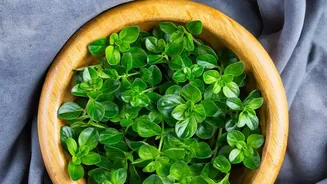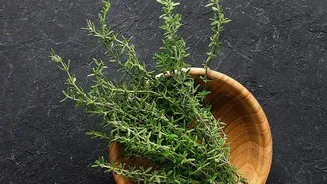



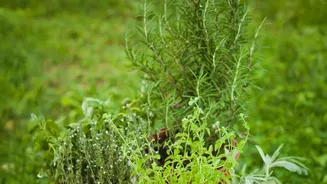
The dream of snipping fresh, aromatic thyme for your kitchen creations is an easy one to achieve. This hardy Mediterranean herb adapts well to indoor life, but its success hinges on one crucial, often overlooked, factor: its home.
Why the Right Pot Matters Most
Before you even think
about soil or sunlight, the container you choose for your thyme plant sets the stage for its entire life. Thyme is native to dry, sunny Mediterranean climates and its roots are highly susceptible to rot. Overwatering is the single most common reason indoor thyme plants fail. A suitable container isn't just a holder for the plant; it's a vital tool for managing moisture. The right pot will have excellent drainage, allowing excess water to escape freely and preventing the soil from becoming a soggy mess. Without proper drainage, water stagnates at the bottom, starving the roots of oxygen and creating a breeding ground for fungal diseases that can quickly prove fatal.
Choosing Your Thyme's Perfect Home
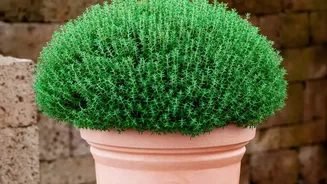
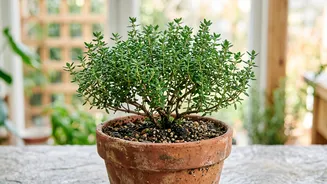
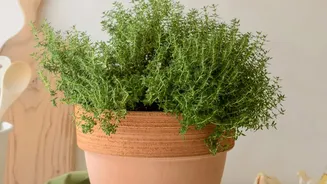
When selecting a container, prioritise function over fashion. The non-negotiable feature is at least one large drainage hole at the bottom. Terracotta or clay pots are often recommended because the porous material allows soil to dry out more evenly and helps wick away excess moisture, mimicking thyme's natural environment. Plastic or ceramic pots are also acceptable, but you must be extra vigilant about not overwatering. In terms of size, a pot that is at least 6 inches deep and around 6 to 12 inches in diameter is a good start for a single plant. This provides enough room for the shallow root system without holding an excessive amount of soil and moisture.
The Ideal Soil Foundation
Once you have the right pot, the next step is filling it with the right soil. Thyme despises dense, wet soil. It thrives in a light, gritty, and fast-draining medium. A pre-packaged cactus or succulent mix is an excellent and easy choice, as it's already formulated for drought-tolerant plants. If you prefer to make your own, a good recipe is a mix of standard potting soil with a generous amount of coarse sand, perlite, or small gravel. A common blend is equal parts potting soil, peat moss, perlite, and sand. Avoid any soil mixes advertised as having 'moisture control' or 'moisture retention', as these will hold too much water for thyme's liking.
Sunlight and Watering Wisdom
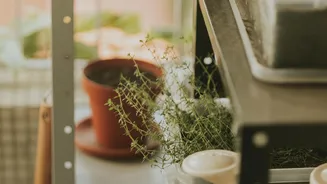
With your thyme happily potted, it's time to provide the right environment. Thyme needs a great deal of light to produce the essential oils that give it its wonderful aroma and flavour. Place your pot in the sunniest spot you have, ideally a south_facing windowsill where it can receive at least six hours of direct sunlight per day. If you lack a sunny window, a grow light can be an effective substitute. When it comes to watering, the golden rule is to let the soil dry out completely between sessions. To check, stick your finger about an inch or two into the soil; if it feels dry, it's time to water thoroughly until you see it run out the drainage hole. Then, leave it alone until it dries out again. It's always better to underwater thyme than to overwater it.
Pruning for a Bushier, Healthier Plant
Regular harvesting and pruning are key to preventing your thyme from becoming sparse and woody. Once the plant is established and has several stems, you can begin harvesting. Using clean scissors, snip off the top two to three inches of growth, always cutting just above a set of leaves. This encourages the plant to branch out, resulting in a fuller, bushier shape. A more significant pruning of about one third of the plant can be done once or twice a year, typically in spring or after it flowers in summer, to rejuvenate the plant and encourage tender new growth. Avoid cutting back into the old, tough woody base, as it may not regrow.