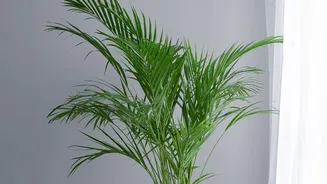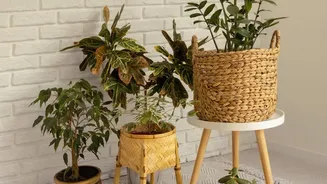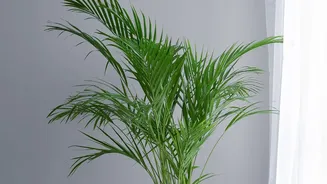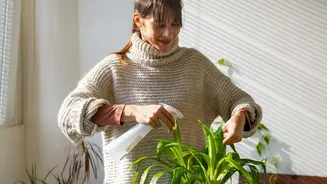



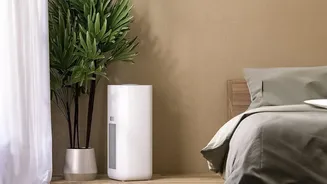
As smog descends on our cities, many of us turn to houseplants as natural air purifiers. It's an appealing, green solution, but the belief that a few potted plants can protect your family from severe pollution deserves a much closer look.
The Promise Born from a NASA Study
The belief that
houseplants are powerful air purifiers largely stems from a famous NASA study from 1989. Researchers were looking for ways to clean the air in sealed environments like space stations. They placed common houseplants, such as snake plants and peace lilies, in small, airtight chambers and introduced harmful chemicals known as Volatile Organic Compounds (VOCs), like benzene and formaldehyde. The results were remarkable: some plants were able to remove a significant percentage of these toxins from the sealed chambers. This study became legendary, launching the popular idea that filling our homes with greenery is a key strategy for breathing cleaner, healthier air.
The Reality Check in Your Living Room
The problem is that your home is not a small, sealed laboratory chamber. More recent scientific reviews have put the NASA findings into a real-world context, and the results are sobering. A 2019 review of decades of research concluded that in a typical home or office with normal air circulation from windows, doors, and ventilation systems, the air exchange rate is far more powerful at diluting pollutants than plants are at removing them. To achieve a meaningful reduction in indoor pollutants that would compete with an open window or a basic air purifier, you would need an astonishing number of plants—estimates range from 10 to over 1,000 plants per square metre. Essentially, you would need to live in a dense indoor jungle to replicate the lab findings.
What Really Works for Cleaner Air?
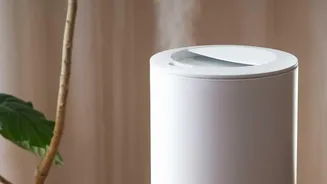
When the outdoor air is thick with smog, relying on plants alone is not an effective strategy. The most impactful way to clean indoor air is through mechanical filtration. High-Efficiency Particulate Air (HEPA) filters are the gold standard. These filters, found in good quality air purifiers, are designed to capture extremely small particles, including the PM2.5 particles that are a major component of smog and are particularly harmful to our lungs. In fact, research shows that a HEPA purifier is thousands of times more effective at removing particulates than houseplants. Other key strategies include sealing air leaks in your home, using exhaust fans in kitchens and bathrooms to remove pollutants at the source, and regularly vacuuming and dusting with a damp cloth to remove settled particles.
So, What Good Are Plants?
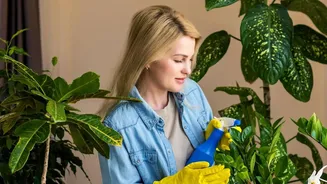
This doesn't mean you should throw out your beloved plants. While they may not be a match for heavy smog, they offer significant and proven benefits for our well being. Numerous studies have shown that the presence of indoor plants can reduce stress and anxiety, lower cortisol levels, improve mood, and even enhance concentration and productivity. The act of caring for a living thing provides a sense of purpose and routine, which can be profoundly grounding and beneficial for mental health. This connection to nature, often called biophilia, is especially important for those living in urban environments with limited access to green spaces.
The Right Role for Your Green Friends
The key is to have clear expectations. Think of your houseplants not as a primary line of defence against smog, but as a wonderful, complementary part of a healthy home environment. They are fantastic for your mental health and add beauty and life to your space. Let them be a source of joy, calm, and connection to nature. During periods of heavy pollution, however, entrust the heavy lifting of air purification to technologies designed for the job. Use a certified air purifier with a HEPA filter, monitor outdoor air quality, and ventilate your home by opening windows only when the air outside is cleaner.