

The Allure of a Rain-Washed World
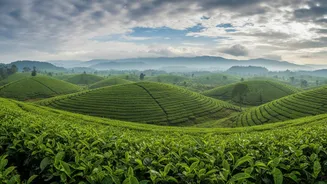
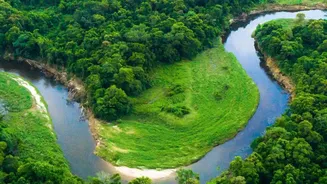
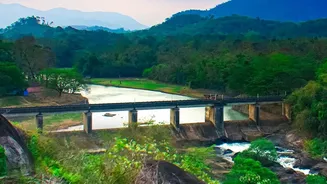
From June to September, Assam undergoes a breathtaking transformation. The relentless heat of summer gives way to a landscape pulsating with life. The mighty Brahmaputra river swells, tea gardens are washed in a brilliant emerald, and waterfalls previously
hidden emerge from forested slopes. For travellers seeking solitude and a deeper connection with nature, the monsoon offers an experience that is sensory and serene. The scent of wet earth, the rhythmic drumming of rain on bamboo groves, and misty mornings over vast stretches of water create a tranquil atmosphere far removed from the commercial bustle of mainstream destinations. This season, once considered the off-season due to heavy rains and potential floods, is now being embraced by those looking for an authentic and less crowded getaway.
Haflong: The Misty Hill Retreat
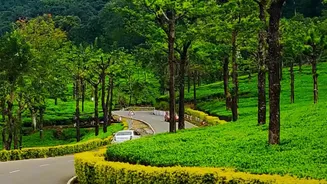
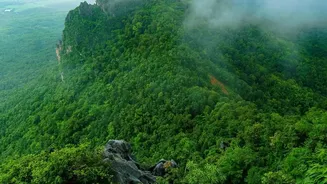
As Assam's only recognized hill station, Haflong truly comes into its own during the monsoon. Often called the 'Switzerland of the East', its rolling hills and valleys become shrouded in a thick, romantic mist. Clouds drift through the landscape like white rivers, and the forests grow dense with orchids and other flora. For those seeking a classic hill station experience without the crowds, Haflong is ideal. The rain gives birth to countless new waterfalls, and forest trails turn into adventurous paths. It’s a place to watch the rain from a cozy cottage, explore the serene Haflong Lake, or visit the mysterious village of Jatinga, known for its unique avian phenomenon during the late monsoon. The journey itself, through winding roads and verdant scenery, becomes a core part of the experience.
Majuli: Life on a Rain-Soaked River Island
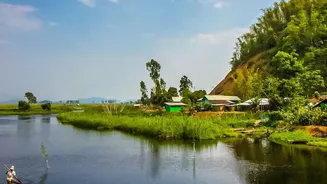
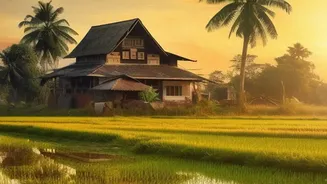
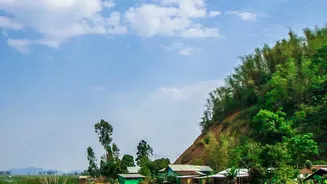
Visiting Majuli, the world's largest river island, during the monsoon is an experience of both beauty and raw nature. The island, a centre of Vaishnavite culture, takes on a lush, green character that feels otherworldly. While the Brahmaputra's rising waters can make logistics tricky, they also offer a unique perspective on life here. Travel between villages often shifts from roads to boats, offering a glimpse into the incredible resilience of the local Mising tribe, whose homes are built on stilts to adapt to the floods. Exploring the island by scooter on a rain-free afternoon, visiting the ancient Satras (monasteries), and witnessing the quiet rhythm of life makes for a soulful journey. It is a destination for the mindful traveller, one who appreciates that its charm lies in its unpredictability.
Wildlife Sanctuaries in a New Light
While the core zones of major national parks like Kaziranga are closed during the monsoon due to flooding, the season offers a different kind of wildlife experience on their fringes. Parks like Pobitora, known for its dense population of the one-horned rhinoceros, remain partially accessible and are exceptionally green. Boat safaris in wetland-based parks such as Dibru-Saikhowa become the primary mode of exploration, offering incredible opportunities for birdwatching as migratory species flock to the rejuvenated water bodies. The peripheral areas of Manas National Park also come alive with renewed greenery. It's a chance to see these famed wildlife havens not as safari circuits, but as vibrant ecosystems thriving in the rain.
Planning Your Monsoon Adventure
A monsoon trip to Assam requires a bit more planning than a journey in the dry season. It's essential to stay updated on weather forecasts and potential flood warnings, particularly in low-lying areas. Many national parks have closures, so always check official websites before planning a wildlife-focused trip. Road conditions can be unpredictable, so it’s wise to build extra time into your itinerary. However, the rewards are significant: accommodations are often available at lower prices, and the destinations are free of the peak-season tourist rush. Packing waterproof gear, including jackets and appropriate footwear, is non-negotiable to fully enjoy the rain-soaked landscapes.