







The Monsoon Reality Check
The thrill of spotting a tiger or a one-horned rhino is undeniable, but your dream safari depends entirely on timing. Most of India's premier national parks and tiger reserves shut down their core zones during the monsoon season. This annual closure,
typically from July to early October, is not arbitrary. It serves two vital purposes: allowing the ecosystem to regenerate without human interference and ensuring the safety of visitors. Heavy rains can make forest tracks impassable, leading to dangerous conditions. Furthermore, the monsoon is a critical breeding period for many species, and keeping the parks quiet helps support wildlife conservation. So, the first rule of planning is simple: always check the park's official opening and closing dates before making any travel arrangements.
Ranthambore: The Royal Tiger Domain
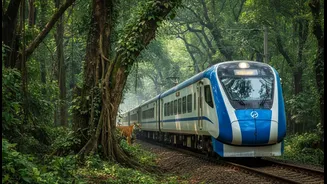
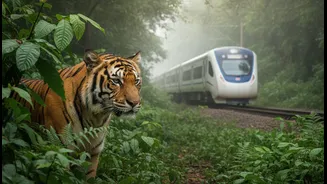
Ranthambore National Park in Rajasthan is one of India's most famous tiger-spotting destinations. The Vande Bharat Express routes connecting major cities to Sawai Madhopur Junction put this park within comfortable reach. However, the park's main safari zones (1 to 5) are generally closed from July 1 to September 30. While some buffer zones (gates 6 to 10) often remain open for tourism during these months, the core areas, which are prime tiger habitats, will be inaccessible. For the full Ranthambore experience, plan your visit from October, when the park reopens, through June. The post-monsoon landscape is lush and beautiful, while the hot months of April and May offer the highest probability of tiger sightings near waterholes.
Jim Corbett: India's Oldest National Park
Nestled in the foothills of the Himalayas in Uttarakhand, Jim Corbett is a paradise for nature lovers. Vande Bharat services to Dehradun, followed by a road journey, make it an attractive getaway. However, Corbett has a staggered closure system. The famous Dhikala zone, known for its vast grasslands and elephant herds, typically closes from mid-June to mid-November due to washed-out tracks. The Bijrani zone follows, shutting down around the end of June. Some zones like Jhirna and Dhela may remain open for day safaris year-round, weather permitting. If your heart is set on exploring the deep interiors of Dhikala, a trip between November 15 and early June is your only window.
Central India's Tiger Heartland
Madhya Pradesh is home to some of the country's most celebrated tiger reserves, including Kanha and Bandhavgarh. Vande Bharat routes to nearby cities like Jabalpur and Nagpur have significantly cut down travel time. Both Kanha and Bandhavgarh National Parks generally close their core zones from July 1 until mid-October. Kanha usually reopens around October 15, offering a vast landscape of sal forests and meadows. Bandhavgarh, known for its high tiger density, also follows a similar schedule, reopening in October after the monsoon break. While some buffer zones in both parks may stay open, the prime wildlife viewing experience is unavailable during these months.
Kaziranga: Land of the Rhino
In Assam, Kaziranga National Park, a UNESCO World Heritage Site, is famous for its population of the great Indian one-horned rhinoceros. The Vande Bharat route to Guwahati makes reaching this eastern gem easier. Unlike parks in central and western India, Kaziranga's closure is dictated by the flooding of the Brahmaputra river. The park typically shuts for tourists from around May or June and reopens in October. The exact dates can vary based on the intensity of the monsoon and subsequent flooding, so checking with park authorities is essential before planning a trip to see its unique 'Big Five'—rhinos, tigers, elephants, wild water buffalo, and swamp deer.