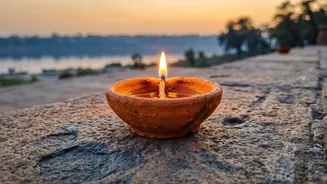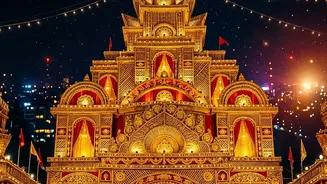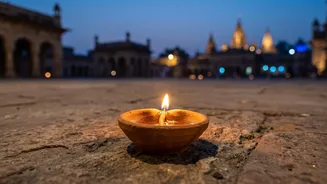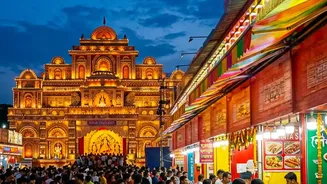





Every year, Ayodhya commemorates Lord Ram's return with Deepotsav, a spectacle of light that transforms the city. As millions of diyas illuminate the Saryu river, this guide offers a focused look at how to plan your visit for 2026.
Understanding the Spectacle
Ayodhya Deepotsav is
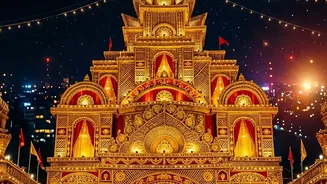
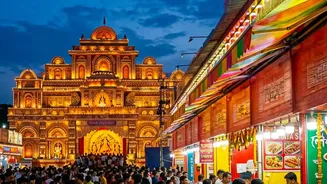
a grand festival celebrating the triumphant return of Lord Ram to his kingdom after 14 years of exile, the event that inspired Diwali. Organised by the Uttar Pradesh government, the festival has grown into a global phenomenon, best known for setting Guinness World Records for the largest simultaneous display of oil lamps. The 2026 edition, held on Chhoti Diwali, will see over 28 lakh diyas lit across Ram Ki Paidi and 55 ghats along the Saryu River, creating a breathtaking river of light. It’s a unique blend of ancient tradition and modern spectacle, featuring cultural processions, drone shows, and laser displays.
Key Dates and Main Events
The main Deepotsav event is scheduled for Saturday, 7 November 2026, which is Chhoti Diwali (Narak Chaturdashi). Diwali itself falls on Sunday, 8 November. While cultural festivities begin a few days prior, the main attractions are concentrated on November 7th. The day typically starts with a 'Shobha Yatra' (a grand procession with Ramayana-themed floats) in the morning. Key afternoon and evening events at Ram Katha Park and Ram Ki Paidi include a symbolic coronation ceremony, a grand Saryu Maha Aarti with over 1,100 priests, the record-breaking diya lighting at dusk, and spectacular drone and laser shows telling the story of the Ramayana.
How to Reach Ayodhya
Ayodhya is well-connected by air, rail, and road. The city's Maharishi Valmiki International Airport (AYJ) has direct flights from major Indian cities like Delhi, Mumbai, and Bengaluru. For train travel, Ayodhya Dham Junction (AY) is the closest station to the main festival areas. Given the festival rush, it is crucial to book flights and trains months in advance. Ayodhya is also accessible by road from nearby cities like Lucknow (135 km), Varanasi (200 km), and Prayagraj (165 km). However, be aware that strict traffic restrictions are enforced 48-72 hours before Deepotsav, with private vehicles often stopped at outer checkpoints.
Where to Stay: Book Immediately
Accommodation for Deepotsav is in extremely high demand, with hotels and homestays getting fully booked months in advance. Options range from premium hotels and heritage havelis to budget-friendly guesthouses and dharamshalas. For the best experience, try to book a stay within walking distance of Ram Ki Paidi or Hanuman Garhi to avoid transportation issues, as the core festival area becomes a pedestrian-only zone. If accommodation in Ayodhya is unavailable, staying in nearby Faizabad or even Lucknow and travelling to Ayodhya for the day is a workable alternative, though it requires careful planning.
Experiencing the Main Events
The heart of Deepotsav is at Ram Ki Paidi, the series of ghats where the main diya lighting takes place. This area requires a VIP e_pass for the main enclosure, but general viewing is free from other ghats and along Ram Path. To secure a good spot, you must arrive several hours early, by 3 PM at the latest. For a less crowded but still beautiful experience, consider watching from nearby Naya Ghat or Guptar Ghat. Besides the diyas, don't miss the grand Saryu Aarti at dusk. On the mornings before or after, visit the Ram Janmabhoomi Mandir, Hanuman Garhi, and Kanak Bhawan before the evening crowds build.
Essential Visitor Tips
Navigating Ayodhya during Deepotsav requires patience and planning. Expect massive crowds and extensive walking, so wear comfortable footwear. The core festival area is largely pedestrian_only, with e_rickshaws being the primary mode of local transport for longer distances. Carry a government_issued photo ID, cash for small purchases, a power bank, and a reusable water bottle. Dress modestly out of respect for the religious nature of the event. Most importantly, follow all instructions from local authorities and be prepared for security checkpoints and potential mobile network congestion.