






A Move Towards Mindful Gifting
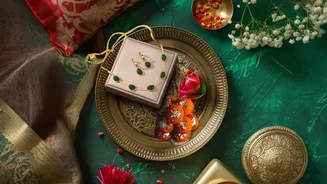
For generations, festive seasons were marked by an exchange of mithai, dry fruits, and conventional gifts. While the spirit of giving remains, the nature of the gifts is evolving. Today, there's a significant shift from obligation-led gifting to more
intentional choices that reflect personal values. Consumers, particularly millennials and Gen Z, are increasingly seeking products that offer meaning and utility, moving away from disposable, single-use items. This has paved the way for a new culture of gifting that values mindfulness over materialism, where the thought behind the gift is as important as the item itself. This change is driven by a desire for gifts to be an extension of one's belief in wellness, sustainability, and conscious living.
The Sustainability Imperative
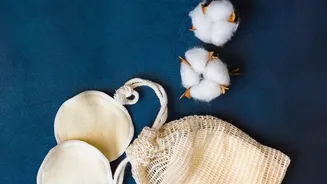
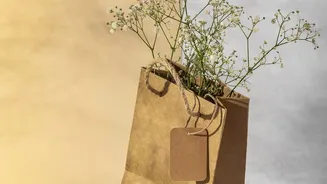
A primary driver of this trend is a heightened awareness of environmental issues. Many urban consumers are concerned about the waste generated during festivals, from plastic packaging and synthetic wrappers to the sheer volume of discarded items. Reports indicate that a significant majority of consumers now prefer eco-friendly options. This consciousness has led to a demand for gifts with sustainable credentials: items made from recycled or natural materials, featuring reusable or biodegradable packaging, and sourced from local artisans. Eco-friendly hampers, for instance, now feature products in glass jars, jute bags, and bamboo baskets, all of which can be repurposed. This shift is not just about being trendy; it's a response to a growing understanding that personal choices have a collective environmental impact.
Gifts That Grow: The Appeal of Plants
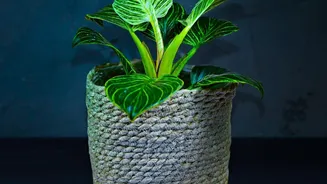
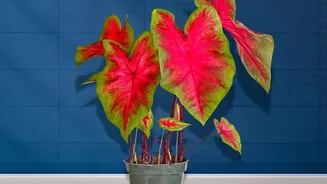
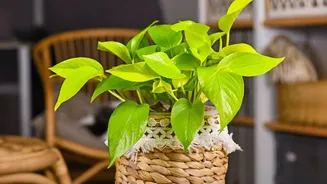
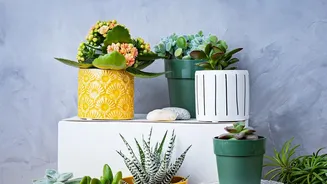
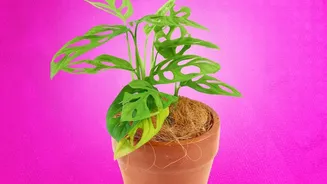
Among the most popular eco-conscious gifts are live plants. Unlike flowers that wither or sweets that are quickly consumed, a potted plant is a lasting gift that grows over time, symbolizing a long-lasting relationship. Plants like the Snake Plant, Money Plant, and Lucky Bamboo are not only easy to care for but are also believed to bring good luck and positive energy, aligning with cultural beliefs like Vastu and Feng Shui. Beyond the symbolism, gifting a plant is seen as a practical and thoughtful gesture. They act as natural air purifiers, improve indoor aesthetics, and offer a connection to nature, which is increasingly valued in urban settings. For many, giving a plant is a way to share health, wellness, and a message of sustainability.
The Reinvented Festive Hamper
The traditional festive hamper is also being reimagined. Instead of mass-produced goods, modern hampers are curated with artisanal, organic, and locally-sourced products. Think organic teas, handcrafted soaps, specialty coffees, gourmet pantry staples, and skincare made from natural ingredients. These hampers tell a story of provenance and craftsmanship, supporting small businesses and local communities. The focus has shifted to quality and utility, with contents that the recipient will genuinely use and enjoy. Even the packaging is part of the experience, with an emphasis on reusable and eco-friendly materials that reduce waste and add a touch of rustic elegance.