







The New Ritual: Check, Book, Repeat
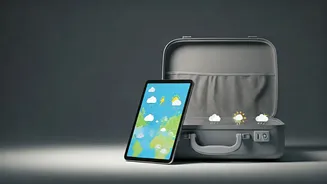
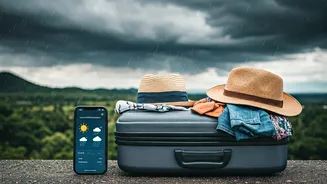
It has become a familiar routine for many: before committing to a weekend trip, a restaurant patio reservation, or even a day at an outdoor attraction, the first step is a consultation with a weather app. What was once a tool for deciding whether to carry
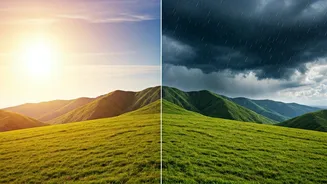
an umbrella has evolved into a critical component of our planning process. This isn't just about avoiding a downpour; it's a fundamental shift in consumer behaviour. The age of ‘book and forget’ is being replaced by a more fluid, cautious, and weather-aware approach to leisure. Studies show that a single rain icon in a forecast can be enough to make a significant portion of people change their plans, highlighting the powerful, and often emotional, trigger that forecasts have become. This constant negotiation with the forecast has ushered in a new era where flexibility is prized above all else.
Technology as the New Weathervane
This cultural shift is powered by sophisticated technology at our fingertips. Modern weather apps provide hyper-local, minute-by-minute predictions that create a sense of control and immediacy. Push notifications about changing conditions, from heatwaves to approaching storms, make it impossible to ignore the climate's role in our daily lives. This constant stream of information feeds into what psychologists call an intolerance of uncertainty; we are wired to seek information to feel prepared. As a result, checking the forecast has become a form of life management. It's no longer just about the weather itself, but about using that data to mitigate risk, whether that risk is a ruined picnic or a cancelled flight.
How Businesses Are Adapting
The hospitality and travel industries are on the front lines of this trend. An unpredictable booking landscape requires a new playbook. In response, many businesses are moving away from rigid, long-standing policies. Flexible cancellation and rebooking options, once a premium feature, are becoming standard as companies recognise travellers' need for reassurance. Some hotels and rental hosts are experimenting with dynamic pricing models that adjust rates based on demand influenced by weather forecasts. Others are getting creative with marketing, using weather data to launch targeted promotions, like advertising a cosy indoor dining experience during a cold snap or last-minute deals on sunny getaways. The goal is to reduce friction for the consumer and capture business in a volatile market. Some hosts, however, are moving to stricter policies to deter tentative bookings that are treated as mere placeholders.
A Climate of Greater Uncertainty
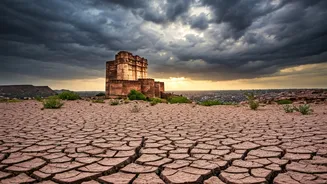
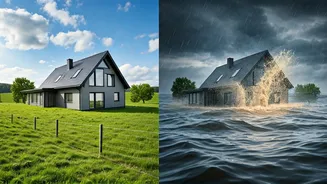
Beyond the daily forecast, a broader factor is accelerating this trend: climate change. The increasing frequency of extreme weather events like heatwaves, wildfires, and severe storms is making long-range planning feel like a gamble. According to a 2026 report from Booking.com, nearly three-quarters of global travellers consider extreme weather risk when choosing a destination and the timing of their trip. More than half find this unpredictability stressful. This has led to noticeable shifts in travel patterns, with more people booking trips during shoulder seasons to avoid peak summer heat or choosing cooler destinations altogether. The 'new norm' of climate volatility means travellers are actively planning around potential disruption, not just reacting to it.
The Rise of Weather-Proof Planning
As booking culture adapts, so do the consumers within it. Savvy travellers are building resilience into their plans. This often means prioritising refundable bookings and investing in comprehensive travel insurance that covers weather-related cancellations. The 'wait-and-see' approach is becoming more common, with a significant number of people making their final go or no-go decision on the day of or the day before an activity. This behaviour forces a last-minute scramble for businesses but empowers consumers to make choices based on the most accurate, up-to-date information available. It's a strategic retreat from the anxiety of uncertainty, an acknowledgment that in today's climate, the only predictable thing is unpredictability itself.