






The 'Baked, Not Fried' Façade
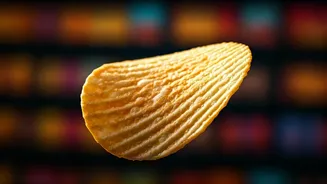
The most common claim for diet chips is that they are baked, not fried. This simple switch in cooking method does reduce the overall fat and calorie count. For instance, a serving of baked chips might have around 130 calories and 5 grams of fat, compared
to 150 calories and 10 grams of fat in their fried counterparts. On paper, that looks like a clear win. However, manufacturers often compensate for the loss of flavour from fat by adding more sodium. Some baked chips contain significantly more sodium than regular chips, which can contribute to high blood pressure and other cardiovascular issues. Furthermore, what they are made of changes. While fried chips often have a simple ingredient list—potatoes, oil, salt—baked versions can be a more complex mixture of dried potato flakes, corn starch, sugar, and various additives to achieve a palatable texture and taste.
A Hidden Chemical Concern
Here’s a surprising fact: baked chips can contain higher levels of acrylamide, a chemical compound that forms in starchy foods during high-temperature cooking like baking and frying. The chemical is created through a process known as the Maillard reaction, which is what gives browned food its distinctive flavour. Studies have found that baked potato chips can have up to three times more acrylamide than fried chips. While research on the effects of dietary acrylamide on humans is ongoing, some agencies classify it as a probable human carcinogen based on animal studies, and health authorities advise reducing exposure where possible. Aiming for a golden-yellow colour rather than dark brown when cooking starchy foods at home is one way to reduce its formation.
The Ultra-Processed Problem
Most packaged snacks, including many 'diet' chips, fall into the category of ultra-processed foods (UPFs). These are not just foods with added salt, sugar, and oil; they are industrial formulations made from substances extracted from foods or synthesized in labs. A diet high in UPFs has been linked to numerous health problems, including obesity, heart disease, type 2 diabetes, and even depression. These foods are often designed to be hyper-palatable, making them easy to overeat. They can also be low in essential nutrients and fiber, even if they're fortified with synthetic vitamins. So while a bag of veggie straws might seem like a serving of vegetables, they are often made from vegetable powder mixed with starches and oils, stripping away much of the fiber and nutrients you'd get from a whole vegetable.
The Psychological 'Health Halo'
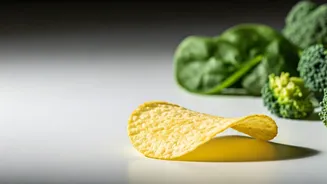
Marketers are experts at creating a 'health halo' around a product. Words like 'organic,' 'multigrain,' 'gluten-free,' or 'natural' can make us perceive a food as healthier than it actually is. This effect is powerful. When we believe a snack is 'good for us,' we may give ourselves permission to eat more of it, a phenomenon known as 'mindless eating'. Suddenly, that small calorie saving from choosing baked over fried is completely negated because you’ve eaten two or three times the serving size. The image of a vibrant beetroot or spinach leaf on the packet can be misleading if the chip contains only a tiny amount of vegetable powder for colour. Reading the nutrition label and ingredient list is always more important than trusting the claims on the front of the bag.
Smarter Snacking Solutions
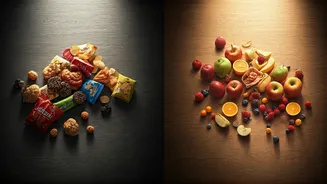
So what do you do when a craving for something crunchy and salty strikes? The best option is often the simplest. Whole foods are always a better bet. Consider a handful of roasted chickpeas or nuts, which provide protein and fibre. Sliced cucumber, carrots, or bell peppers with hummus offer a satisfying crunch and a wealth of nutrients. Even a small bowl of plain popcorn, which is a whole grain, can be a great choice. If you must have chips, look for brands with simple, recognizable ingredients, or better yet, try making your own at home. Slicing sweet potatoes or beetroots thinly, tossing them with a tiny bit of olive oil and spices, and baking them until crisp gives you full control over fat, salt, and quality.