




Myth 1: Protein Powder is 'Unnatural' and Inferior to Food
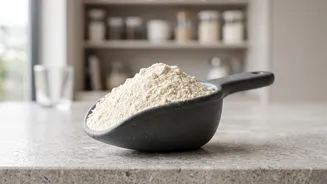
The idea that powder is 'fake' while food is 'real' is a common but misleading one. High-quality protein powders are typically derived from whole foods. Whey and casein come from milk, while plant-based options come from peas, soy, or rice. Your body
ultimately absorbs amino acids, and it doesn't distinguish whether they came from a chicken breast or a scoop of whey. However, whole foods offer a major advantage: a complete nutritional package. A plate of dal, paneer, and vegetables provides protein plus fibre, vitamins, minerals, and healthy fats that powders lack. Whole foods also keep you feeling full for longer. So, while powder isn't inherently inferior, a food-first approach is nutritionally superior for overall health. Powder is a supplement, best used for convenience, not as a primary food source.
Myth 2: Protein Supplements Will Damage Your Kidneys
This is one of the most persistent and worrying myths, but for most people, it's unfounded. In healthy individuals with normal kidney function, there is no strong scientific evidence that consuming protein powder in recommended amounts causes kidney damage. Your kidneys' job is to filter waste products from protein metabolism, like urea. A high-protein diet does increase their workload, but healthy kidneys can handle this. The concern arises for individuals with pre-existing or undiagnosed kidney conditions. For this group, a high-protein intake can accelerate a decline in kidney function. Therefore, if you have any history of kidney issues, diabetes, or high blood pressure, it is crucial to consult a doctor before adding protein supplements to your diet.
Myth 3: Protein Powder Will Make You 'Bulky'
Many people, especially women, worry that drinking protein shakes will automatically lead to large, bulky muscles. This is simply not true. Gaining significant muscle mass, or 'bulking', requires two main things: a consistent calorie surplus (eating more calories than you burn) and a specific, intensive weight training program. Protein powder itself does not cause bulking; it's a tool that helps repair and build muscle tissue after it has been stimulated by exercise. Consuming protein as part of a balanced diet will support lean muscle development and recovery, not spontaneously create a bodybuilder's physique. In fact, adequate protein can support weight management by promoting satiety.
Myth 4: You Must Drink a Shake Within 30 Minutes Post-Workout
The legendary 'anabolic window'—a supposed 30-minute make-or-break period for post-workout protein—has been largely debunked by modern sports science. While your muscles are primed for nutrient absorption after exercise, the window of opportunity is much wider, likely around two hours or even more. What's more important than precise timing is your total daily protein intake and spreading it relatively evenly across your meals. Consuming protein after a workout is certainly beneficial for recovery, but there's no need to panic and race for your shaker. If you've had a protein-containing meal a few hours before your workout, the urgency is even less. The key is consistency, not a stressful 30-minute deadline.
Myth 5: All Protein Powders are Created Equal
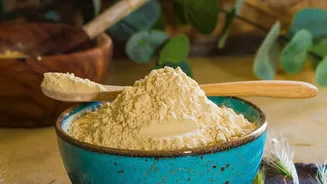
Navigating the supplement aisle shows this is far from true. Protein powders vary by source, digestion speed, and purpose. The most common types are whey (fast-digesting, ideal for post-workout), casein (slow-digesting, great for overnight recovery), and milk protein, which is a blend of both. Plant-based options include soy, pea, and rice protein. Soy is a complete plant protein, while others like pea and rice are often blended to provide a full amino acid profile. In India, it's also critical to choose supplements that are compliant with the Food Safety and Standards Authority of India (FSSAI). Look for the FSSAI logo and license number on the label to ensure the product has been manufactured in a certified facility and tested for purity and contaminants. A study in India found that nearly 70% of supplements tested had misleading protein information, making FSSAI compliance a non-negotiable baseline for safety.