


The Dawn of the Open Road
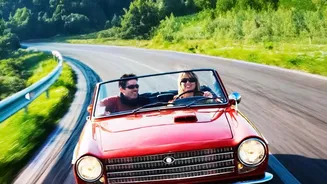
Forget fixed itineraries and packed tour buses. The new buzz in Indian travel is all about freedom and flexibility. This trend manifests as self-drive car rentals, recreational vehicles (RVs), and unscripted journeys where detours are celebrated, not
avoided. The post-pandemic world has accelerated this shift, with travellers prioritising privacy, safety, and control over their environment. This desire for independent exploration has moved self-drive holidays from a niche interest to a mainstream choice for families, young professionals, and solo adventurers alike. It’s a fundamental change in mindset, favouring personal discovery over pre-packaged experiences.
What's Fuelling this Four-Wheeled Freedom?
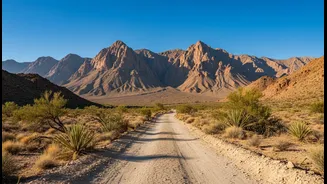
Several factors are converging to put Indians in the driver's seat of their own holidays. A massive expansion in national highways has been a primary catalyst, drastically cutting travel times and making previously remote destinations accessible. India's highway network has expanded by approximately 60% in the last decade, creating faster, safer, and more comfortable corridors for long-distance travel. This infrastructure boom is complemented by the rise of digital tools, from GPS navigation to on-the-go booking apps, which empower travellers with information and spontaneity. Furthermore, the rise of remote work has untethered professionals from their desks, giving birth to the 'workation' trend, where laptops and scenic views coexist. Many are now taking longer trips that blend work and leisure, a lifestyle perfectly suited to the flexibility of a road holiday.
An Entire Ecosystem on the Move
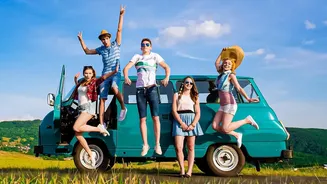
This shift is creating a vibrant new travel economy. Self-drive car rental platforms have seen bookings surge, with significant growth coming from Tier-2 and Tier-3 cities like Jaipur, Indore, and Lucknow. Data shows a clear preference for short weekend getaways, with 71% of trips being under two days, often planned around long weekends. Another booming sector is caravan and RV tourism. Once a rare sight, campervans are becoming increasingly popular, with the Indian caravanning market projected to grow at a compound annual rate of 17.2% to reach over $660 million by 2030. In response, several state governments, including Kerala, Maharashtra, and Karnataka, have rolled out policies to encourage caravan travel by developing dedicated parks and offering incentives to operators.
The Journey as the Reward
The appeal of a flexible road holiday goes beyond just convenience; it represents a deeper desire for authentic experiences. Travellers are increasingly seeking out unexplored destinations and the chance to engage with local culture on their own terms. Road trips allow for spontaneous stops at roadside dhabas, conversations with locals, and the discovery of hidden gems often missed by traditional tours. This trend is particularly strong among younger travellers, with Gen Z (aged 18-25) accounting for a growing share of self-drive bookings, favouring solo trips and offbeat locations. It marks a move away from passive sightseeing towards active, immersive exploration where the memories are made as much on the road as at the final stop.