






The Shifting Gears of Policy
The conversation around high-end motorcycles in India has suddenly accelerated, thanks to a series of adjustments in the country's import tariff structure. In early 2026, an interim trade framework between India and the United States set the stage for
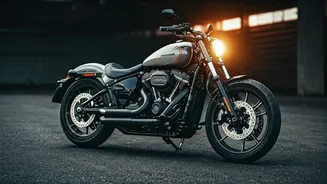
zero import duties on certain Harley-Davidson models, specifically those with engine capacities between 800cc and 1600cc. This was a significant diplomatic and economic move, addressing a long-standing point of friction in trade talks. This was followed by trade agreements with the EU and UK, which are also expected to lower duties on premium motorcycles from brands like Ducati, BMW, Triumph, and Norton, though often under quota-based systems that will be phased in over several years. These changes come on the heels of the Union Budget for 2025, which had already reduced duties across various motorcycle categories, including Completely Built-up Units (CBUs), Semi-Knocked Down (SKD) kits, and Completely Knocked Down (CKD) kits. For many enthusiasts, these announcements signaled a potential new era of accessibility for global superbikes.
Understanding CBU, SKD, and CKD
To grasp the real-world impact, it’s crucial to understand these acronyms. A CBU or 'Completely Built-up Unit' is a motorcycle imported fully assembled and ready to ride. These have historically attracted the highest taxes, often making them prohibitively expensive. A 'Completely Knocked Down' (CKD) unit, on the other hand, arrives in parts and is assembled in India. This route involves local labour and manufacturing, and therefore incurs lower taxes, a strategy many brands use to make their bikes more competitive. 'Semi-Knocked Down' (SKD) units fall somewhere in between. The recent duty reductions have affected all three categories. For instance, the 2025 budget lowered the duty on many CBU bikes from 50% to 40% (or even 30% for those above 1600cc), and on CKD kits from 15% to 10%. These percentages represent a huge chunk of a bike's final showroom price.
More Than Just a Price Drop
This isn't just a financial story; it's a cultural one. For decades, owning a high-capacity imported motorcycle in India was a dream reserved for a select few. Prohibitive import tariffs meant that a bike's price could nearly double, placing it far beyond the reach of the average enthusiast. This scarcity and exclusivity fueled a passionate subculture, with biking groups and weekend rides becoming a core part of many riders' identities. The reduction of these duties, especially the zero-duty access for some American brands, is seen by many as the crumbling of a long-standing barrier. It's a validation of their passion and a sign that the dream of owning a world-class machine is becoming more attainable. However, the impact is nuanced. The zero-duty deal with the U.S. is largely specific to Harley-Davidson and doesn't apply to other brands or EVs. Furthermore, the market for bikes over 800cc is still a tiny fraction of India's massive two-wheeler market, which is dominated by smaller, commuter-focused models.
The Road Ahead for Riders and Makers
The government's strategy appears twofold: to ease trade tensions with key partners like the U.S. and Europe, and to encourage domestic manufacturing through the 'Make in India' initiative. By making it cheaper to import parts (CKD/SKD) than fully built bikes, the policy incentivises global brands to set up assembly plants in India, creating jobs and transferring technology. We've seen this succeed with Harley-Davidson's partnership with Hero MotoCorp to produce the smaller-capacity X440 locally, which now accounts for the bulk of its sales in India. While the new trade deals might make some top-tier CBU models from Europe and the US more affordable, the broader trend is pushing foreign companies to invest in Indian production. This creates a fascinating dynamic: the most aspirational, globally iconic superbikes may get a little cheaper, but the real growth and competition will likely be in the premium mid-size segment, manufactured right here in India.