




The Unexpected Charm of a Monsoon Safari
Visiting a national park in August might seem counterintuitive, as the core zones of many famous tiger reserves in Central India are closed. However, this is precisely what makes it a special time to explore. The monsoon transforms dry landscapes into
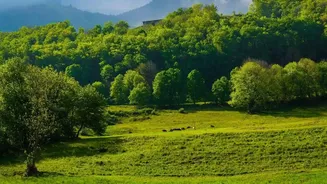
lush, emerald forests, with rain-washed flora and a fresh, clean atmosphere. Many animals, especially herbivores, are more active, grazing in the vibrant pastures. It’s a time for photographers to capture dramatic, misty mornings and for nature lovers to enjoy a more serene and less crowded experience. Several parks, particularly in the south and in high-altitude regions, remain fully or partially open, offering a completely different, and arguably more magical, safari experience.
Kabini, Karnataka: Backwater Bliss
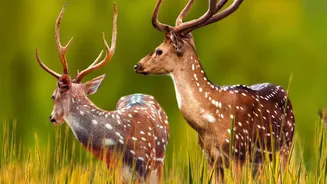
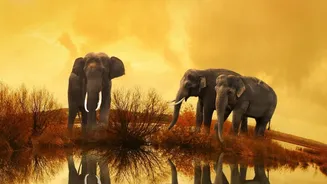
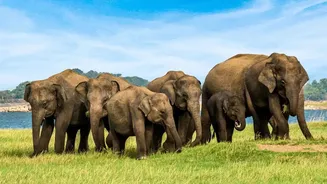
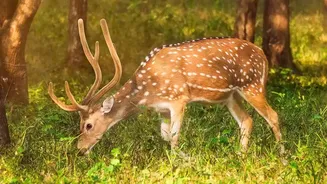
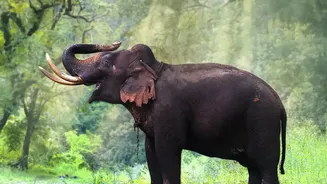
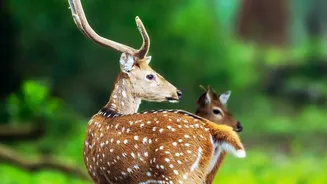
Part of the Nagarhole National Park, Kabini is one of South India's premier wildlife destinations and remains open year-round. In August, the experience is exceptional. The Kabini reservoir fills up, and boat safaris along the backwaters provide a unique vantage point for spotting wildlife. Large herds of elephants are a common sight, often seen playing and grazing by the water's edge. While tiger and leopard sightings can require more patience than in the dry summer months, the lush greenery makes for stunning encounters with gaur, spotted deer, and a rich variety of birdlife. The forest feels intensely alive, making it a top choice for a monsoon adventure.
Periyar National Park, Kerala: A Lake and Its Creatures
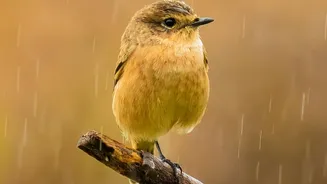
Nestled in the Western Ghats, Periyar is one of the few national parks in India that remains open throughout the monsoon. The park’s centrepiece, Periyar Lake, is the heart of all activity. In August, boat cruises on the mist-covered lake offer incredible opportunities for wildlife viewing against a backdrop of dense, rain-fed forests. This is an excellent place to see herds of elephants, sambar deer, gaur (Indian bison), and wild pigs. The park is also a haven for birdwatchers. While tiger sightings are rare, the overall experience of floating on the serene lake, surrounded by a thriving ecosystem, is unforgettable.
Dachigam National Park, Jammu & Kashmir: Himalayan Haven
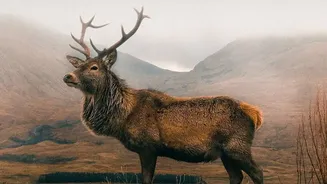
For those looking to escape the heavy monsoon rains of the plains, Dachigam National Park near Srinagar is an ideal destination. The weather in August is pleasant, perfect for exploring the park's varied altitudes. Dachigam is the last remaining home of the critically endangered Hangul, or Kashmir Stag, and offers the best chance of spotting this magnificent deer. The park is divided into upper and lower regions, with the summer months being a good time to visit Upper Dachigam. Visitors may also encounter Himalayan black bears, leopards, and numerous bird species like the vibrant monal pheasant.
Hemis National Park, Ladakh: High-Altitude Wonders
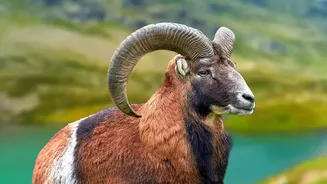
Located in a rain-shadow region, Hemis is untouched by the Indian monsoon, making August an excellent time to visit. As India's largest national park, it offers a stark, rugged beauty. While it is globally famous as a habitat for the elusive snow leopard, sightings are incredibly rare, especially in summer. However, the park is rich in other high-altitude fauna. Trekkers in August can spot blue sheep (bharal), Himalayan marmots, and Tibetan wolves against the breathtaking backdrop of the Zanskar Range. The weather is ideal for trekking, with clear skies and moderate temperatures, allowing adventurers to explore stunning trails like the Markha Valley Trek.
Tadoba-Andhari Tiger Reserve, Maharashtra: The Buffer Zone Bonus
While the core area of Tadoba closes during the monsoon, several of its buffer zones remain open for safaris, offering a fantastic opportunity for wildlife enthusiasts. Tadoba has one of the highest tiger densities in India, and sightings remain frequent even in the buffer areas during August. The monsoon cloaks the forest in thick vegetation, creating a dramatic setting for tracking big cats. Besides tigers, you can also spot leopards, sloth bears, and wild dogs. The reduced tourist traffic makes for a more intimate and peaceful safari experience.