





The Trend You’ve Seen Everywhere
If your social media feed is suddenly filled with people—from global influencers to your cousin next door—posing with muddy-looking face packs, you’re not imagining things. The traditional beauty hack that’s captured the internet's imagination is none
other than multani mitti, or Fuller's earth. This humble, mineral-rich clay, once a staple of Sunday afternoon pampering sessions in many Indian households, is now being hailed by a new generation. It's trending not just for its efficacy but for what it represents: a return to natural, simple, and sustainable beauty solutions that have been trusted for centuries.
More Than Just Mud
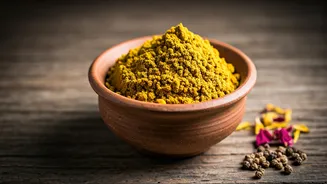
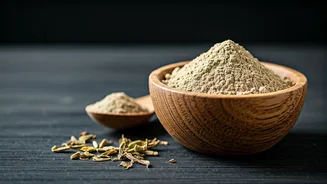
So what exactly is multani mitti? Its name literally translates to ‘mud from Multan’, a region in modern-day Pakistan where the clay was historically found in abundance. Composed of hydrated aluminium silicates, it is a powerful cleansing agent known for its ability to absorb oil, dirt, and impurities from the skin. For generations, it has been the go-to home remedy for managing oily skin, combating pimples, and achieving a natural glow. Its place in Ayurvedic traditions is well-documented, where it's praised for its cooling properties and its ability to balance the skin. Before expensive clarifying masks and blotting papers existed, there was this simple block of clay, ready to be mixed into a paste.
Why Is It Back in a Big Way?
The resurgence of multani mitti isn't just about nostalgia. Several modern factors are at play. Firstly, there's a growing movement towards ‘clean beauty’ and a general scepticism of long, unpronounceable ingredient lists. Consumers today are more informed and want to know exactly what they are putting on their skin. Multani mitti is a single-ingredient powerhouse. Secondly, it’s incredibly affordable and accessible, a welcome relief from the high cost of many commercial skincare products. Finally, the trend speaks to a deeper desire to connect with cultural roots. For many young Indians, embracing practices like using multani mitti is a way of honouring the wisdom passed down through their families and celebrating their heritage in a tangible, personal way.
How to Use It the Right Way
Getting started with multani mitti is simple, but customisation is key. For a basic, effective mask, take two tablespoons of multani mitti powder and mix it with enough rose water or plain water to form a smooth, spreadable paste. Apply a thin layer to your face, avoiding the delicate areas around your eyes and mouth. Let it sit for 10–15 minutes, or until it's about 80% dry—don't let it crack completely, as this can be overly drying. Rinse thoroughly with lukewarm water and pat your skin dry. For added benefits, you can enhance the paste with other natural ingredients: a pinch of turmeric for its anti-inflammatory properties, sandalwood powder for soothing, or a few drops of milk for hydration.
A Gentle Word of Caution
While multani mitti is a wonder for those with oily or combination skin, its powerful absorbent qualities can be too much for individuals with dry or sensitive skin. If your skin is naturally dry, you might find a full face mask too stripping. Instead, consider using it as a spot treatment for blemishes. Alternatively, you can mix the clay with moisturising ingredients like honey, yoghurt, or aloe vera to counteract its drying effect. As with any new skincare product, it is always wise to do a patch test on a small area of your skin, like behind your ear or on your inner arm, to check for any adverse reactions before applying it to your entire face.