




A Landscape Rich in Avian Treasures
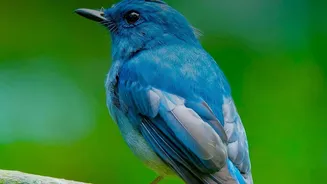
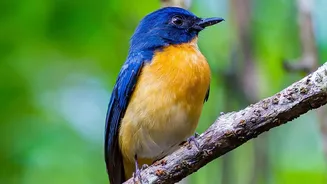
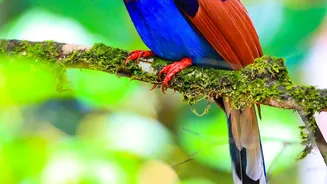
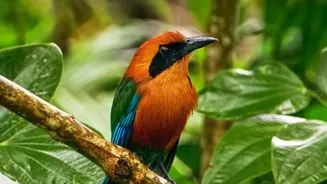
South Andaman is a hotspot of endemism, a place where lush tropical rainforests, mangrove creeks, and coastal wetlands converge to create unique habitats.. This ecological diversity supports a stunning array of birdlife, including over two dozen endemic
species found nowhere else on Earth.. Key birding areas like Chidiya Tapu (literally 'Bird Island'), Mount Harriet National Park, and the wetlands at Sippighat and Ograbraj are prime locations for spotting these rare gems.. Birders flock here with hopes of seeing the Andaman Woodpecker, Andaman Serpent Eagle, Andaman Crake, and the elusive Andaman Scops Owl, among many others.. The islands are a living laboratory of evolution, making every sighting a special event for birding enthusiasts..
The Guide Makes the Difference
Recognising the immense potential of birdwatching, local authorities and private operators are increasingly investing in guide quality. For years, the Andaman & Nicobar Administration has organised training workshops to develop a corps of qualified, professional birdwatching guides.. These programmes, often run in collaboration with institutions like the Indian Institute of Tourism and Travel Management, focus on everything from biodiversity and ecology to professional conduct and the art of storytelling.. The result is a new generation of local guides who are not just experts at spotting birds, but are also deeply knowledgeable about the islands' ecosystems. Guides like G. Shaktivel, founder of a local birding company, combine scientific backgrounds with lifelong field instincts, helping visitors find cryptic species and understand their behaviour.. This emphasis on expertise ensures a richer, more educational experience that goes far beyond a simple checklist.
Embracing the Elements: Rain-Ready Birding
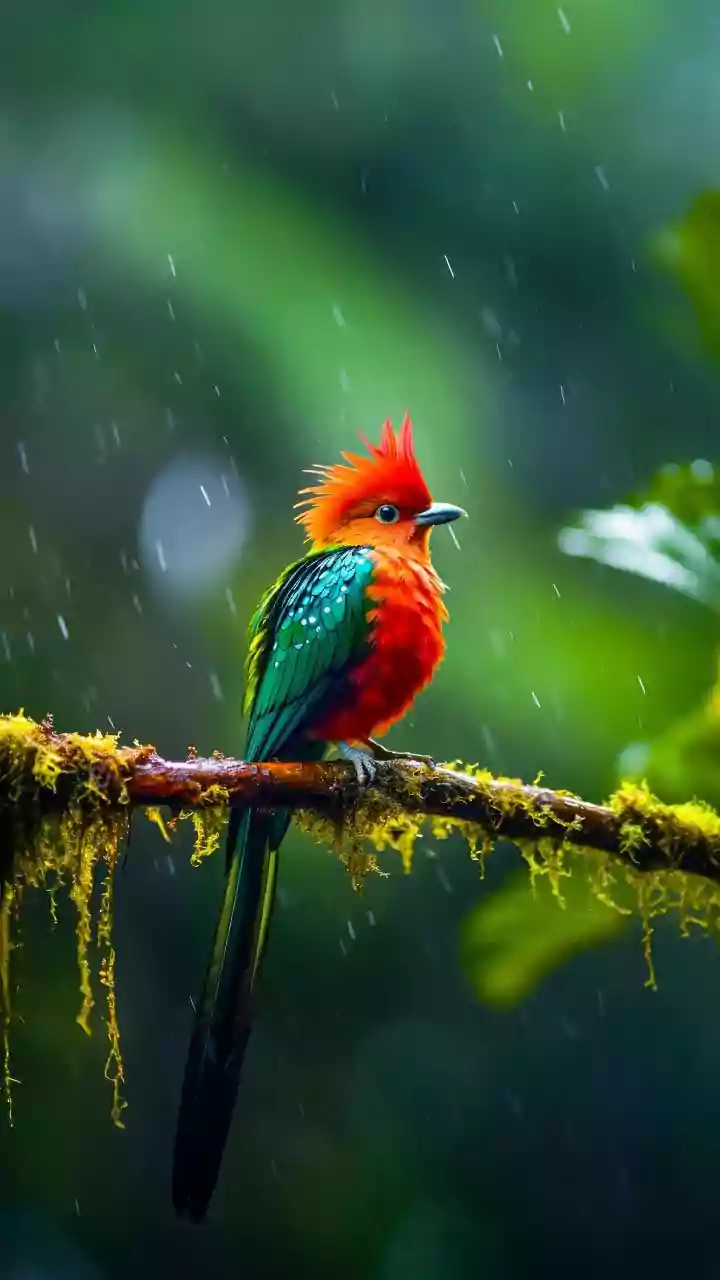
While the peak birding season is typically from October to April when the weather is drier, the monsoon season offers its own unique charm and opportunities.. The rain-washed landscapes are vibrant, and bird activity can be fantastic.. Modern birding tours in the Andamans are built with this reality in mind. Operators now create customised itineraries with alternative routes in case of bad weather, ensuring that a downpour doesn't end the day's exploration.. Well-marked trails in places like Chidiya Tapu Biological Park often feature viewing hides, providing shelter during a shower.. Guides also advise visitors on appropriate gear, from waterproof binoculars to the right footwear, making birding a year-round possibility. This readiness to embrace the rain opens up the quieter, budget-friendly monsoon months for serious birders..
Planning Your South Andaman Birding Adventure
A typical birding tour in South Andaman is a multi-day affair, designed to explore a variety of habitats at an unhurried pace.. Itineraries often centre around Port Blair, with daily excursions to different hotspots. A morning might be spent at Mount Harriet National Park searching for the Andaman Wood Pigeon, followed by an afternoon at the Sippighat wetlands to spot the Andaman Teal.. Many tours include night birding sessions, which are essential for finding the area's endemic owls, such as the Andaman Scops-Owl and Hume's Hawk-Owl.. Tour operators can arrange everything from accommodation and transport to the necessary permits for certain areas.. By focusing on small, guided groups, these new trail experiences offer an intimate and sustainable way to connect with the incredible biodiversity of the islands.