





Meet the Tea from the Blue Mountains
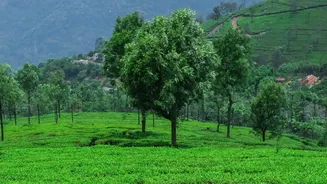
While Indian teas like Assam and Darjeeling often steal the spotlight, Nilgiri tea is a hidden gem worth discovering. Grown in the stunning high altitudes of the Nilgiri Hills, or “Blue Mountains,” of Southern India, this tea benefits from a unique climate
that allows for year-round harvesting. Unlike the bold, malty notes of Assam or the complex fruitiness of Darjeeling, Nilgiri tea is prized for its bright, fragrant, and exceptionally smooth character. It has a naturally clean and crisp finish with floral and citrus notes, making it incredibly balanced. Because it's less tannic, it lacks the bitterness that can sometimes be found in other black teas, making it gentle on the palate and stomach.
The Magic of Cold Brewing
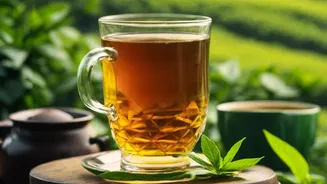
If you think all iced tea is created equal, the cold-brewing method will change your mind. Traditional iced tea is brewed hot and then cooled, a process that can result in a bitter or cloudy drink. Cold brewing, however, uses time instead of heat. By steeping tea leaves in cold water for several hours, the flavor extraction process is slow and gentle. This method pulls out the tea's sweet, aromatic compounds while leaving behind many of the tannins and catechins that cause bitterness and astringency when exposed to high heat. The result is an incredibly smooth, naturally sweet, and crystal-clear beverage. Nilgiri tea is particularly well-suited for this method, as its low astringency and clear-chilling properties create a perfect, brilliantly golden iced tea that rarely needs sugar.
A Sip of Wellness and Antioxidants
The headline promise of “health-promoting plant antioxidants” is where Nilgiri tea truly shines. Like other black teas, it is rich in a class of antioxidants called polyphenols, specifically flavonoids like theaflavins and catechins. These compounds are known for their ability to help the body combat oxidative stress from free radicals, which can contribute to cell damage. The fermentation process that turns green tea leaves into black tea converts catechins into theaflavins, which are potent antioxidants in their own right. Some studies suggest that while hot water is efficient at extracting antioxidants, the gentle process of cold brewing can also preserve certain delicate compounds and may extract higher levels of other antioxidants, like EGCG, with less caffeine. Regular consumption of black tea is linked to supporting overall wellness, from heart health to digestion.
Your Simple Cold-Brewing Guide
Ready to try it for yourself? Making cold-brewed Nilgiri tea is almost foolproof. You don't need any fancy equipment—just a large jar or pitcher, tea, and water. Here’s a simple ratio to get started:
1. Measure Your Tea: Use about 2 teaspoons of loose-leaf Nilgiri tea for every 8 ounces (1 cup) of cold water. For a larger batch, a common ratio is around 4-5 grams of tea per 500ml of water. If your tea seems too weak or strong, you can adjust the amount next time.
2. Combine and Steep: Place your tea leaves in a jar or pitcher. Fill with cold, filtered water, stir gently, and cover the container.
3. Be Patient: Place the container in the refrigerator and let it steep for 6 to 12 hours. Unlike hot tea, you don't have to worry much about over-steeping; the cold water makes the process very forgiving.
4. Strain and Serve: Once it has reached your desired strength, strain the tea leaves out. Serve the cold brew over ice, with a slice of lemon or a sprig of mint to enhance its natural citrus and floral notes.