


Understanding the Janmashtami Vrat
The Janmashtami fast is an expression of devotion, intended to cleanse the body and focus the mind on spiritual pursuits. The dietary rules centre on consuming 'satvik' foods—those that are pure, light, and easy to digest. This means avoiding grains,
onions, garlic, and regular table salt. Most devotees observe a 'phalahar' vrat, which permits fruits, milk products, and specific non-grain foods. A stricter 'nirjala' fast, without any food or water, is also observed by some but is not recommended for everyone. The choice often depends on family traditions and personal health.
Permitted Flours and Grains
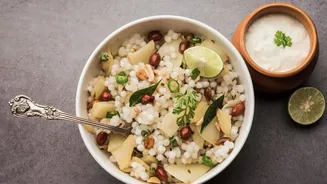
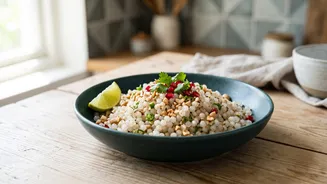
While regular grains like wheat and rice are avoided, several alternatives form the foundation of vrat cooking. These non-cereal flours provide energy and can be used to make everything from puris to halwa. Key options include Singhare ka Atta (water chestnut flour), Kuttu ka Atta (buckwheat flour), and Rajgira ka Atta (amaranth flour). Additionally, Sabudana (tapioca pearls) and Samak ke Chawal (barnyard millet) are extremely popular and versatile ingredients for fasting meals. These are considered permissible because they are not technically grains in the traditional sense.
Fruits and Vegetables
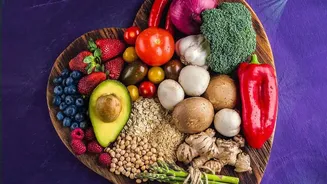
Fruits are a cornerstone of the Janmashtami fast, providing natural sugars for energy and essential hydration. All seasonal fruits like bananas, apples, pomegranates, and papayas are encouraged. When it comes to vegetables, the list is more specific. Potatoes, sweet potatoes, yams, raw bananas, and bottle gourd (lauki) are widely consumed. Tomatoes and cucumbers are also generally allowed. However, it's important to remember that some traditions advise against vegetables like carrots and beetroot.
Dairy, Nuts, and Beverages
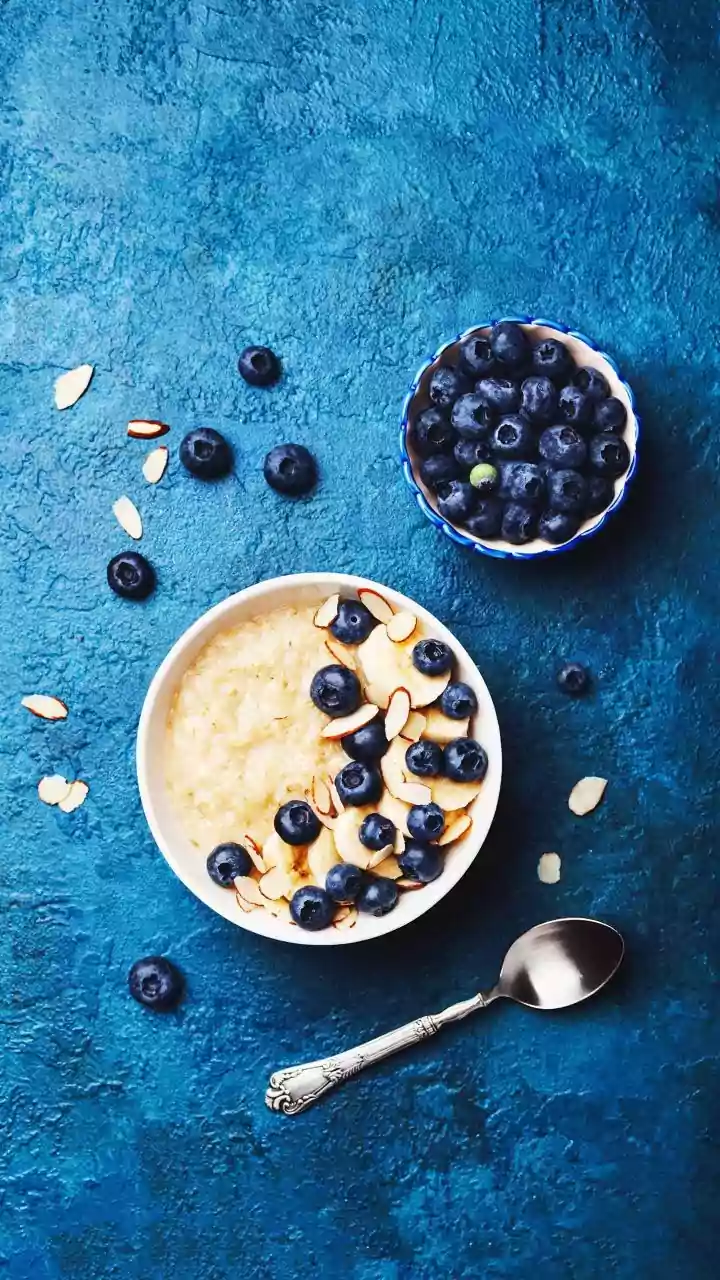
Dairy products are central to the Janmashtami fast, aligning with Lord Krishna's love for milk and butter. Milk, curd (yoghurt), paneer, and buttermilk can be consumed and are used to prepare various dishes. All nuts and dry fruits, such as almonds, cashews, walnuts, and raisins, are permitted and serve as excellent sources of energy. Makhana (fox nuts), whether roasted as a snack or cooked into kheer, is another fasting staple. While water is essential for hydration in a phalahar fast, tea and coffee are generally avoided.
Spices, Sweeteners, and Cooking Oils
The flavour profile of vrat food is simple yet satisfying. The most crucial rule is the substitution of regular table salt with Sendha Namak (rock salt). Other permitted spices include cumin seeds (jeera), black pepper, and fresh coriander. For cooking, ghee is the preferred medium, though peanut or sunflower oil can also be used. When it comes to sweeteners, sugar, jaggery, and honey are all acceptable. Onions, garlic, and turmeric are strictly avoided.
Simple Meal and Snack Ideas
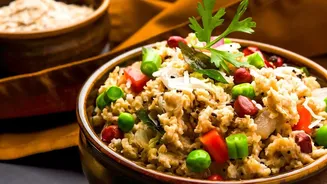
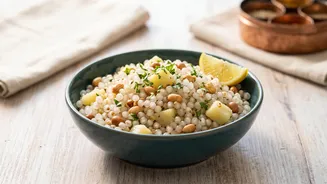
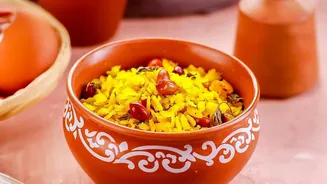
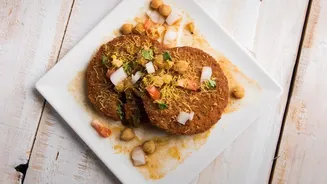
Putting it all together, a fasting day can be quite delicious. For a substantial meal, Sabudana Khichdi, Kuttu ki Puri with Aloo Sabzi, or Samak Rice Pulao are popular choices. For lighter snacks, roasted makhana, a bowl of fruit chaat with sendha namak, or a sweet potato chaat can keep hunger at bay. A refreshing glass of lassi or a bowl of fruit raita can also be very satisfying. Many people fall into the trap of overeating deep-fried foods like pakoras and vadas; opting for roasted or boiled preparations is a healthier way to sustain energy.