






A World Without Weather
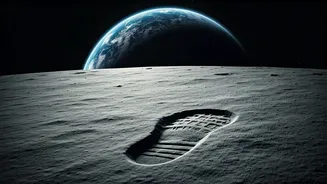
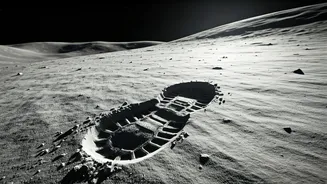
The primary reason for this incredible preservation is the Moon's environment, which is fundamentally different from Earth's. Our planet is dynamic and constantly changing. Here, a footprint left on a dusty path would be erased in hours or days by wind,
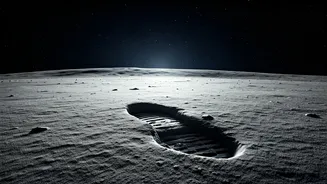
rain, or even just the subtle settling of soil. The Moon has none of these things. It lacks a significant atmosphere, which means there is no wind to blow away the delicate impressions and no rain to wash them clean. Without an atmosphere, there is no weather as we know it. The lunar surface is a static, silent world where processes of erosion that are common on Earth simply do not exist. The fine lunar soil, or regolith, is like a dry, powdery cement. Once it’s compacted by an astronaut's boot, there are no natural forces strong enough to disturb it. It's a frozen moment in time, captured in dust.
The Silent, Slow Erasers
While there's no wind or rain, the footprints are not completely immune to change. They face a constant, but extraordinarily slow, process of erosion from two main sources: micrometeorites and solar wind. Micrometeorites are tiny, dust-sized particles of rock zipping through space at incredible speeds. The Moon is constantly bombarded by them. Each impact, though minuscule, kicks up a tiny bit of lunar dust, ever so slowly 'sandblasting' the surface. Over millions of years, this relentless, gentle shower will eventually soften the edges of the boot prints and gradually erase them. The other force is the solar wind, a stream of charged particles continuously flowing from the Sun. This also contributes to a form of erosion known as 'space weathering,' which slowly alters the texture and composition of the lunar surface. But the key word here is 'slowly.' Scientists estimate it could take anywhere from 10 to 100 million years for these forces to completely erase the evidence of humanity's first steps on another world.
A Museum of Humanity
The result is that the six Apollo landing sites are, in effect, perfectly preserved outdoor museums. Everything left behind — from the lower stages of the lunar landers to scientific equipment, rovers, and of course, the footprints — remains exactly where it was left. Buzz Aldrin’s footprint, famously photographed by him during the Apollo 11 mission, is perhaps the most iconic symbol of this cosmic preservation. It's more than just an impression in the dust; it's a monument to a singular moment in human history. These sites contain the physical evidence of one of humanity's greatest achievements. They represent the culmination of immense effort, ingenuity, and courage. Seeing them as historical artefacts highlights the profound responsibility we have to protect them as we plan for a return to the Moon.
Preserving Our Lunar Legacy
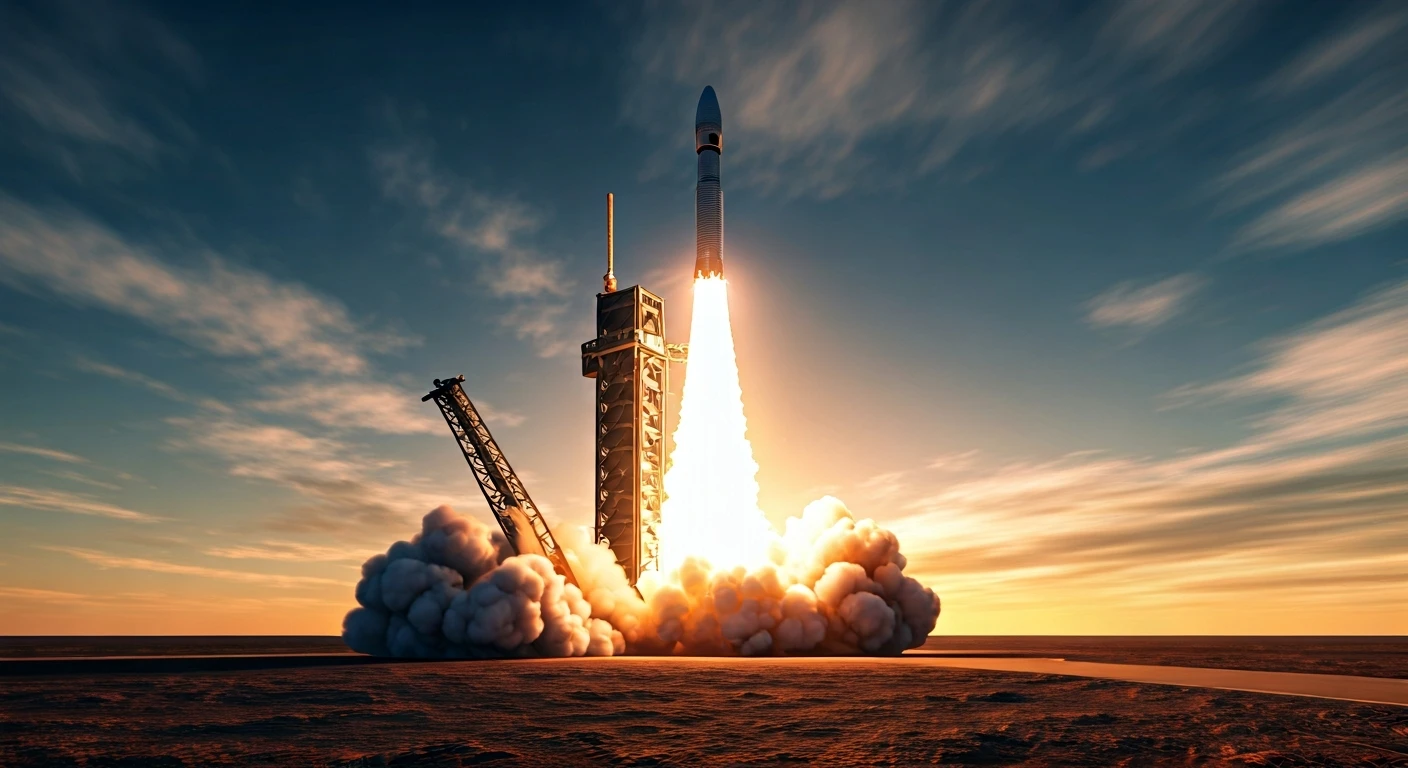
As nations and private companies like SpaceX, Blue Origin, and those in India's own burgeoning space sector set their sights on the Moon, the question of preservation has become urgent. The landing sites are not currently protected by any international treaty. A new lander touching down too close could blast the historic sites with rocket exhaust, wiping away the footprints and covering artifacts in dust. In response, NASA has established a set of guidelines, recommending 'keep-out' zones around the Apollo sites to protect them. For example, they recommend that no missions land within a 2-kilometre radius of the Apollo 11 site. While these are currently just recommendations, they represent a growing consensus that these sites are invaluable human heritage. They are the first archaeological sites on another world, and protecting them is crucial for future generations to understand our first tentative steps into the cosmos.