
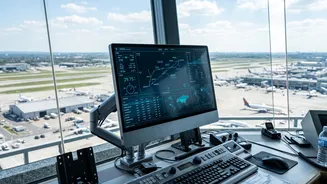

A System Under Strain
The American aviation network is the busiest in the world, but much of its underlying technology is decades old. This isn't just a theoretical problem. A January 2023 failure of the Notice to Air Missions (NOTAM) system, which provides critical safety
alerts to pilots, led to the first nationwide ground stop of all aircraft since 2001. The incident, caused by a corrupted file in an aging database, exposed the fragility of the system and highlighted the urgent need for change. Beyond specific failures, the FAA has been grappling with systems that are difficult to maintain and ill-equipped to handle the increasing complexity and volume of modern air traffic, which includes not just commercial airliners but drones and future air taxis.
The Tech-First Philosophy
Instead of focusing primarily on new, prescriptive flight rules, the FAA is adopting a tech-first philosophy. The core idea is that a smarter, more resilient, and more automated system is better equipped to manage complexity than a rigid set of regulations. This approach aims to move from tactical, reactive air traffic control to strategic, predictive air traffic management. By upgrading the digital 'highways' of the sky, the agency believes it can increase safety, improve efficiency, and reduce delays without stifling innovation. This reflects a risk-based approach to safety, focusing on managing potential hazards through better technology and data rather than simply enforcing a strict checklist of rules. The goal is to build a system flexible enough to handle not just today's traffic, but the unforeseen challenges of tomorrow.
Inside the Modernisation Engine
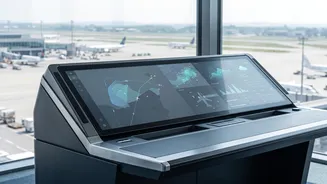
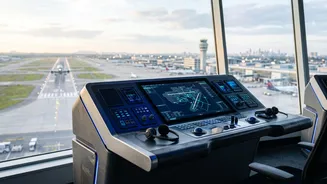
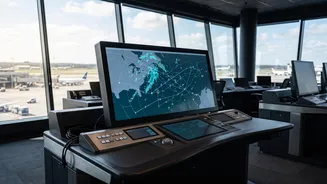
The modernisation effort is a multi-pronged initiative. A key recent step is the replacement of systems that, until recently, still used 1980s-era floppy disks to store vital weather and flight information. These are being replaced by the Enterprise Information Display System (E-IDS), a single, digital platform that gives controllers faster, more reliable access to real-time data. This is part of the larger 'NextGen' and 'Brand New Air Traffic Control System' (BNATCS) initiatives, which are sweeping overhauls. These programs include deploying satellite-based surveillance (ADS-B) instead of just ground-based radar, transitioning from voice to digital text communications between pilots and controllers, and upgrading the entire NOTAM system to a more resilient, cloud-based platform to prevent a repeat of the 2023 failure.
The Benefits and the Hurdles
The promised benefits of this technological pivot are immense. The FAA estimates that NextGen improvements have already delivered over $10 billion in benefits through 2023, including shorter flight times and savings on fuel and operating costs. More efficient routing and reduced congestion on the ground and in the air mean fewer delays for passengers and lower carbon emissions. However, the road is not without its challenges. These are massive, multi-billion dollar projects with long timelines, and some have faced delays. Running new and legacy systems in parallel during the transition creates its own complexity, and ensuring the thousands of controllers, pilots, and technicians are trained and ready for the new tools is a significant undertaking. There is also the persistent challenge of controller staffing shortages, which can limit the system's capacity regardless of the technology in place.