





More Than Just a Cup of Tea
In India, the connection between monsoon rains and a steaming cup of tea is almost sacred. It’s a ritual that punctuates the day, offering warmth against the damp chill and a moment of pause while the rain comes down. Hyderabad, a city famous for its
robust Irani chai culture, is no stranger to this tradition. For decades, cafes like Nimrah and Cafe Niloufer have been the backdrop for countless rainy-day conversations over sweet, milky tea and Osmania biscuits. But while the love for Irani chai remains, a parallel trend is brewing. More people are looking to their cups not just for comfort, but for a dose of seasonal wellness, turning to the wisdom of traditional Indian kitchens. This movement is reintroducing local, seasonal herbs and spices into the daily chai, transforming it from a simple beverage into a fragrant cup of health.
From the Garden to the Kettle
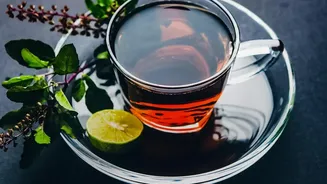
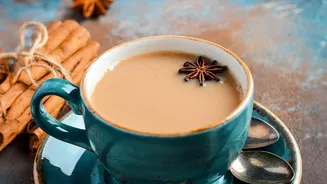
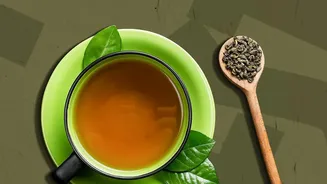
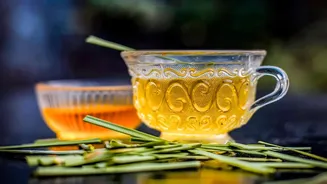
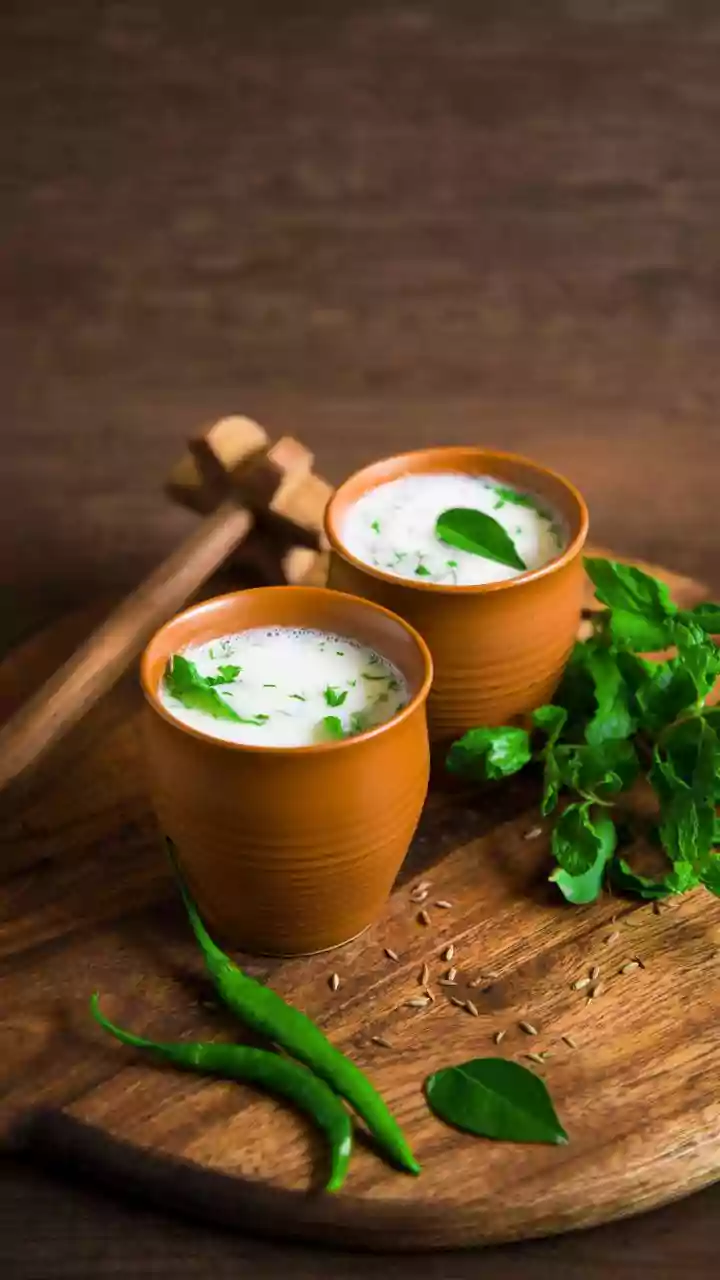
The stars of this seasonal shift are herbs and spices long valued in Indian households and Ayurveda for their properties, especially during the monsoon when colds and coughs are common. Ginger (adrak) is the quintessential monsoon warmer, prized for its ability to soothe a sore throat and aid digestion. Another key player is Tulsi, or holy basil, revered as the “Queen of Herbs.” Its slightly peppery notes are believed to help bolster the body's defences against seasonal infections. Lemongrass, with its bright, citrusy aroma, is also finding its way into more teacups, valued for its refreshing quality in the humid weather. Beyond these, spices traditionally found in masala chai—like cardamom, cinnamon, cloves, and black pepper—are being celebrated for the warmth and fragrance they bring to a monsoon brew. Some are even exploring digestive aids like ajwain (carom seeds) and the earthy combination of cumin and coriander in their infusions.
A Blend of Wellness and Tradition
This embrace of herbal teas is rooted in the Ayurvedic principle of 'ṛtucaryā', or living in tune with the seasons. The monsoon is traditionally seen as a time when digestion can be sluggish and the body is more susceptible to illness. Warm, freshly prepared foods and drinks are recommended to maintain balance. The herbs and spices now elevating Hyderabad's tea experience are the very same ones our grandmothers would use in homemade 'kadhas' (herbal decoctions) to ward off seasonal ailments. This trend, therefore, is less of a modern invention and more of a mindful return to roots. It’s about recognizing the power of the kitchen pharmacy, where ingredients like ginger, tulsi, and turmeric are not just for flavour but for functional comfort. This approach blends the pleasure of a daily ritual with the subtle, preventative care that has been a cornerstone of Indian home remedies for generations.
Where Cafes and Comforts Collide
This revival is happening both at home and in the city’s vibrant cafes. While old-city institutions continue to perfect the art of Irani chai, newer cafes across areas like Banjara Hills and Madhapur are catering to a crowd that seeks both traditional flavours and contemporary wellness. Menus now feature everything from classic Masala Chai to specific Ginger, Tulsi, or Lemongrass infusions. Establishments like Tea Trails and Chai Kahaani have built their identity around offering a wide variety of teas that go beyond the standard, including spiced blends perfect for a rainy evening. This dual-track evolution means Hyderabad's tea lovers have the best of both worlds: they can savour the creamy, sweet nostalgia of a classic Irani chai at a heritage cafe or opt for a light, aromatic herbal blend at a modern tea lounge, all while celebrating the unique spirit of the monsoon.