
The Air Fryer Revolution
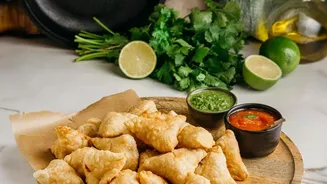
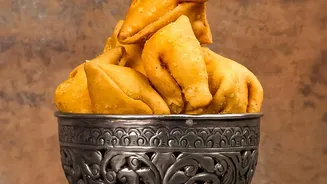
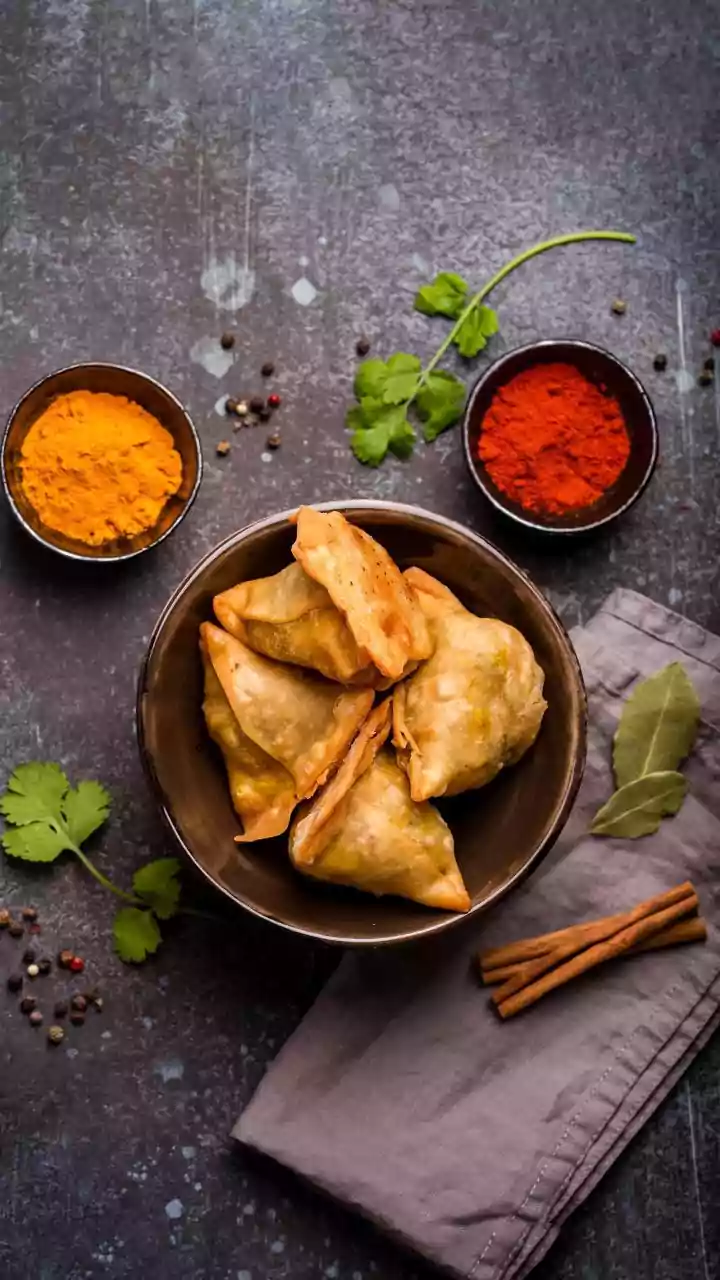
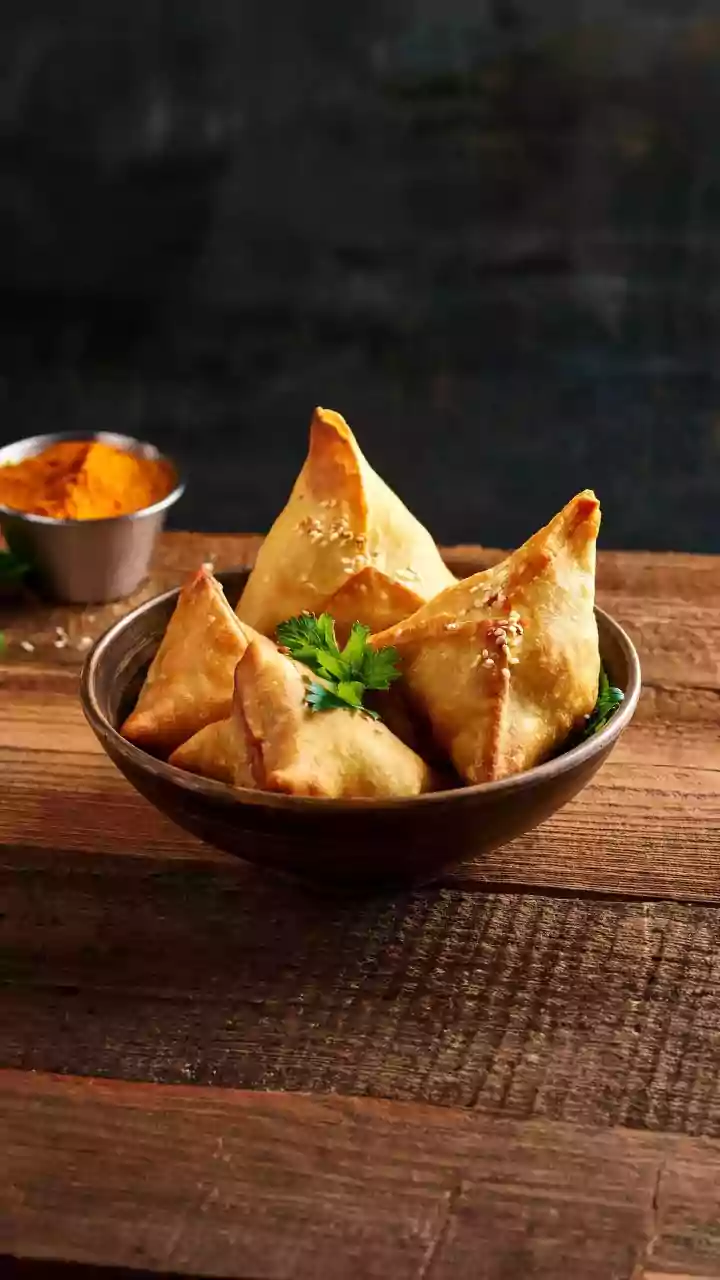
The air fryer is a game-changer for recreating fried textures without the heavy oil usage. By circulating superheated air, it crisps up food with minimal fat, often reducing the oil required by up to 80-90%. To make perfect air-fried samosas, arrange
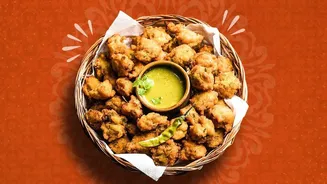
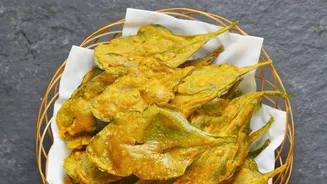
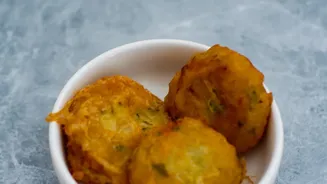
them in a single layer in the basket, ensuring they don't overlap. A light brush or spray of oil helps achieve that familiar golden-brown finish. Preheating the air fryer for a few minutes is crucial for an initial blast of heat that helps the pastry puff and crisp. For pakoras, the same principle applies. A slightly thicker batter helps them hold their shape. The result is a snack that delivers the crunch you crave without the mess and excess calories of deep-frying.
Mastering the Baked Method
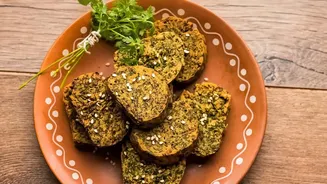
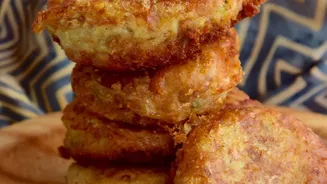
Baking is another excellent and widely accessible method for low-oil snacks. While the texture may be slightly different from the deep-fried original—often a little denser and less uniformly browned—the results are still delicious and satisfyingly crunchy. To bake samosas or pakoras, preheat your oven to a high temperature, around 200-210°C. Line a baking sheet with parchment paper to prevent sticking and place your snacks in a single layer. Lightly brush or spray them with oil, which is key to achieving a crispy, golden exterior rather than a dry, pale one. Flipping them halfway through the baking time ensures they cook and brown evenly on all sides. This method works wonderfully for those who don't have an air fryer but still want a healthier alternative.
The Paniyaram Pan Trick
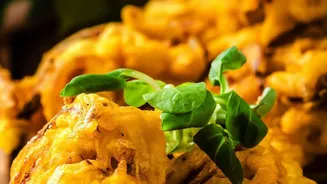
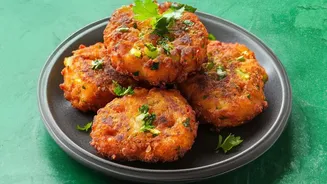
An often-overlooked tool for making low-oil fritters is the paniyaram or appe pan. This special pan, with its multiple small, round cavities, is perfect for making uniformly shaped pakoras without submerging them in oil. Each cavity requires just a few drops of oil, enough to create a crisp outer layer while the inside steams to fluffy perfection. Simply heat the pan, add a little oil to each mould, and spoon in your pakora batter. Cooking them on a medium-low heat with a lid on helps them cook through evenly. Once the bottom is golden and crisp, you can flip them with a skewer or small spoon to cook the other side. This method is exceptionally efficient for making bite-sized pakoras for snacks or to add to dishes like kadhi.
Simple Tweaks for Better Results
Regardless of the method you choose, a few simple adjustments to your preparation can make a big difference. For pakora batter, whipping it for a minute or two before cooking incorporates air, making the final product lighter and fluffier. If you're baking, adding a small amount of rice flour or cornstarch to your besan can enhance crispiness. For samosas, ensure your pastry dough is firm and your filling is not overly wet, which can make the final product soggy. If you're using whole wheat flour for a healthier pastry, remember that it can absorb more water. And don't be afraid to experiment with fillings—from classic spiced potatoes to paneer or mixed vegetables, the possibilities are endless.