


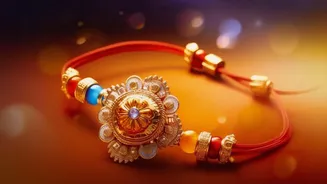
A Conscious Shift Away from Plastic
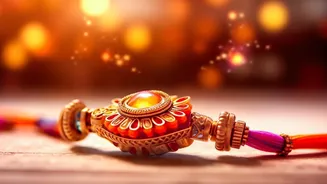
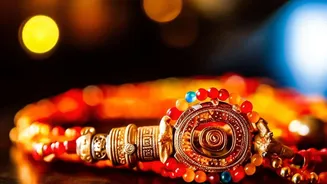
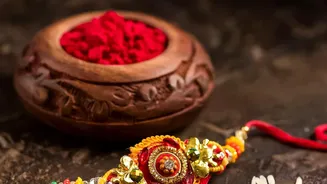
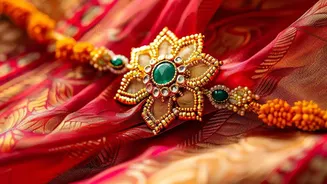
For years, the vibrant threads of Raksha Bandhan have also brought a hidden environmental cost. An estimated 620 million rakhis, many made with non-biodegradable materials like plastic beads, polyester threads, and synthetic embellishments, end up in
landfills annually. This waste contributes to soil and water pollution, as these materials can take hundreds of years to decompose. However, a wave of environmental awareness is changing festive traditions. Consumers are increasingly seeking alternatives that are not only beautiful but also kind to the planet, moving away from single-use plastics towards more meaningful and sustainable options.
Upcycled Creations: Waste to Wonder
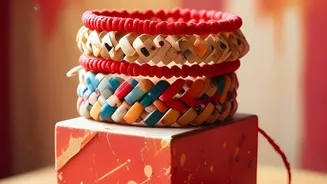
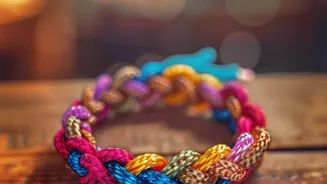
One of the most creative trends this season is the rise of upcycled handicrafts. These are rakhis crafted from materials that would otherwise be discarded. Think colourful threads made from fabric scraps, beads from broken jewellery, or centrepieces from leftover cardboard and old newspapers. Artisans and eco-conscious brands are transforming waste into wearable art. These rakhis are not mass-produced; each one tells a unique story of resourcefulness and creativity. By choosing an upcycled rakhi, consumers support the idea that beauty can be found in the overlooked and give a new life to materials that would have ended up as trash.
Seed Rakhis: A Bond That Grows
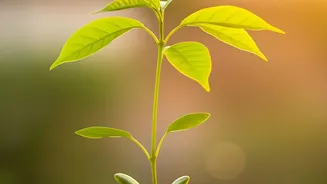
Perhaps the most poetic of the eco-friendly options is the seed rakhi. These special rakhis are made with biodegradable materials like natural clay, recycled paper, or hand-spun cotton, and embedded with seeds of flowers, herbs, or vegetables. After the festival, instead of being thrown away, the entire rakhi can be planted in a pot of soil. With a little water and care, the seeds germinate and grow into a plant, turning the symbol of a sibling's bond into a living, breathing memory. This innovative concept beautifully merges tradition with a forward-looking message of growth and environmental stewardship.
Empowering Artisans and Rural Communities
This green trend is doing more than just protecting the environment; it's also creating sustainable livelihoods. Across India, numerous women's self-help groups (SHGs) and rural artisans have embraced making eco-friendly rakhis. Organizations like the Odisha Rural Development and Marketing Society (ORMAS) are supporting women in districts like Cuttack to produce and sell rakhis made from indigenous materials like bamboo, palm leaves, and even cow dung. Similarly, projects like the Gram Art Project in Madhya Pradesh empower hundreds of women by having them create seed rakhis from locally grown organic cotton and natural dyes. Buying these handmade products directly supports the economic empowerment of these women and strengthens rural economies.