




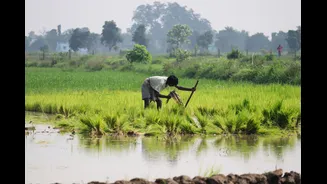



The Direct Line from Field to Kitchen
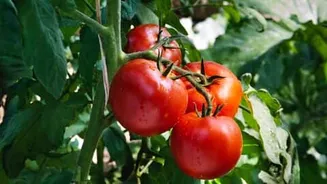
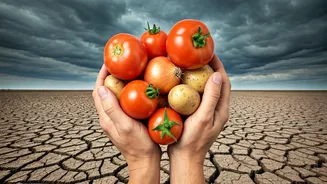
The connection between what you pay for groceries and the weather is becoming starker. In May 2026, India's food inflation jumped to 4.78%, driven largely by a surge in vegetable prices. Tomatoes, a kitchen staple, saw a massive price spike, in some cases
by nearly 50%, due to supply disruptions. This isn't an isolated event. Climate shocks, whether in the form of intense heat or erratic rainfall, are directly impacting crop yields and, consequently, the prices consumers pay at the local market. Food and beverages make up a significant portion of the average Indian household's spending, meaning these weather-driven price fluctuations are felt immediately and widely.
When Heatwaves Cook the Harvest
Before the monsoon even arrives, summer heatwaves can wreak havoc on agriculture. The intense heat that scorched large parts of India in the pre-monsoon months of 2026 had a direct impact on vegetable production. Extreme temperatures affect crops at their most vulnerable stages, damaging flowers and reducing the yield of fruits and vegetables. This leads to lower arrivals in wholesale markets, creating a supply-demand gap that pushes prices up. The phenomenon is becoming more frequent, with recent years seeing longer and more intense heatwaves that reduce crop output, dry up soil moisture, and place immense stress on water resources needed for irrigation.
The Monsoon’s Unpredictable Nature
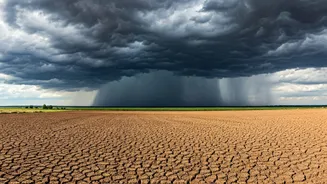
The southwest monsoon, which provides over 70% of India's annual rainfall, is the lifeline for its agricultural sector. However, its performance has become increasingly erratic. A delayed or weak monsoon, as has been a concern in 2026 due to developing El Niño conditions, disrupts the critical Kharif sowing season for crops like rice, pulses, and soybeans. But it's not just a lack of rain that's a problem. An uneven distribution, with long dry spells punctuated by sudden, intense downpours, can be equally damaging. Too much rain in a short period can lead to flooding, waterlogging, and crop damage, while also disrupting transportation and supply chains.
A Stressed Supply Chain
Weather's impact doesn't end at the farm gate. The journey from the field to your plate is fraught with vulnerabilities that extreme weather exacerbates. Heavy rains can damage rural roads, making it difficult for trucks to reach markets and leading to spoilage. Perishable goods like vegetables are particularly at risk. Inadequate cold storage infrastructure means that any delay in transit caused by weather disruptions can result in significant losses, tightening supply and driving up costs. This logistical bottleneck is a key reason why prices can spike so dramatically in cities, even when the initial crop damage is hundreds of kilometres away.
Climate Change and the New Normal
These volatile weather patterns are not just a bad year; they are part of a larger trend linked to climate change. Scientists and economists agree that the increasing frequency and intensity of extreme weather events are making Indian agriculture more vulnerable. Heatwaves are becoming longer, and monsoon patterns are less reliable. This suggests that the price volatility we are currently experiencing may become a permanent feature. For the average Indian household, this means budgeting for food will become a more challenging task, as the era of predictable seasonal prices gives way to a new normal of weather-induced uncertainty.