




An Ancient Tradition of Wellness
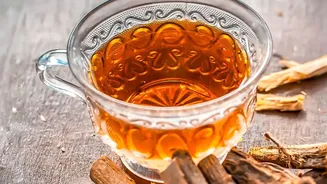
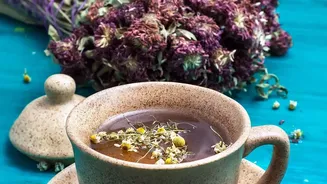
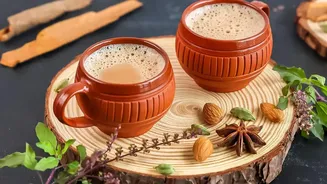
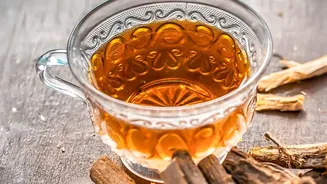
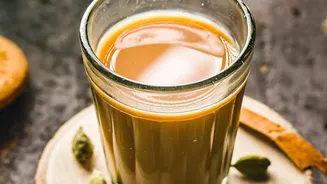
A kashayam, also known as 'kadha' in other parts of India, is an Ayurvedic herbal drink made by boiling specific herbs and spices in water to extract their beneficial properties. This process creates a concentrated, water-soluble elixir that is easily
absorbed by the body. For centuries, families have passed down recipes for these decoctions, turning to them to address common ailments like colds and coughs, improve digestion, and generally support the body’s natural defence systems. It's a practice deeply rooted in the Ayurvedic belief that nature provides a potent toolkit for maintaining health and balance. The focus is not just on treating sickness but on 'Ojas', the vital essence of immunity, which is cultivated through proper nutrition and herbs.
The Golden Duo: Turmeric and Black Pepper
At the heart of many South Indian decoctions is turmeric, or 'haldi'. This vibrant golden spice contains curcumin, a powerful compound celebrated for its anti-inflammatory and antioxidant properties. However, curcumin has low bioavailability, meaning the body struggles to absorb it on its own. This is where black pepper, its faithful partner, comes in. Black pepper contains piperine, a compound that has been shown to dramatically increase the body's absorption of curcumin—by as much as 2,000 percent according to some studies. This synergistic relationship is a prime example of traditional wisdom, where combining ingredients unlocks greater potential than any single spice could offer alone. Together, they form a formidable team traditionally used to support a healthy inflammatory response and protect cells from damage.
The Warming Power of Ginger and Tulsi
Another key player is ginger ('shunti' or 'adrak'), a rhizome prized for its warming and digestive properties. It has been traditionally used to soothe sore throats, calm upset stomachs, and reduce muscle soreness. Its spicy character not only adds a comforting kick to the decoction but also helps stimulate the body's 'agni', or digestive fire, according to Ayurvedic principles. Alongside ginger, Holy Basil, or 'Tulsi', is often included. Revered in Indian culture, Tulsi is an adaptogenic herb, which means it is believed to help the body manage stress. Rich in antimicrobial and antioxidant compounds, it's a go-to herb during seasonal changes to fight infections and support respiratory health.
A Symphony of Spices
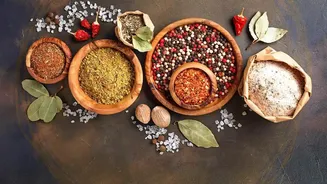
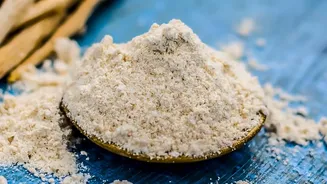
While turmeric, pepper, and ginger are foundational, a kashayam is truly a symphony of spices. Recipes often vary by family and region but frequently include a blend of coriander seeds, cumin, fennel, and cloves. Coriander and cumin seeds are known for their digestive benefits, while cloves and cinnamon add warmth and additional antioxidant properties. The spices are often dry-roasted to awaken their essential oils before being ground into a 'kashaya powder'. This powder can be stored and used to prepare a fresh cup whenever needed, simply by boiling it in water. Some may add jaggery for a touch of sweetness or a splash of milk for a creamier consistency.
More Than a Drink, It's a Ritual
Embracing herbal decoctions is about more than just their ingredients; it’s about participating in a holistic approach to health that has stood the test of time. The act of preparing a kashayam—of boiling the water, inhaling the fragrant steam, and slowly sipping the warm liquid—is a mindful ritual in itself. It represents a connection to ancestral knowledge and a belief in the gentle, nurturing power of plants. In a world of quick fixes, the kashayam is a reminder that sometimes the most profound support for our well-being is sourced from the earth and brewed with intention, straight from the kitchen.