






Embrace Technology: Your First Line of Defence
Before you even step out, your smartphone is your most powerful tool. The India Meteorological Department's (IMD) official 'Mausam' app provides accurate alerts for rain, thunderstorms, and cyclones directly from the source. [4] Other popular apps like
AccuWeather are known for minute-by-minute precipitation forecasts, telling you almost exactly when the rain will start and stop. [3, 9] For travellers, it’s also wise to follow the social media accounts of city police and municipal corporations, like the BMC in Mumbai, for real-time updates on waterlogging and road closures. [25] Airlines and railways now proactively send updates via their apps and SMS, so ensure your notifications are turned on. [21] This digital preparedness can be the difference between a minor pause and a major headache.
The Art of Packing a 'Delay Bag'
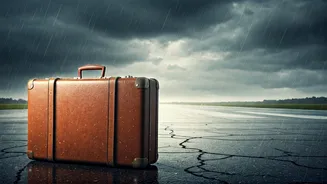
Whether you're heading to the office, the airport, or a stadium, a well-packed bag can turn a frustrating wait into a comfortable pause. During monsoon, your check-in luggage has a higher chance of being delayed, so key items should stay with you. [14] A portable power bank is non-negotiable, as your phone is your link to information. [24] Pack essential medications, a change of quick-drying clothes, and some non-perishable snacks to avoid overpriced airport or stadium food. [14, 18] For protecting your electronics, waterproof bags or even simple ziplock bags are a must. [24] Finally, never underestimate the value of an umbrella, a lightweight raincoat, and waterproof footwear; they are your personal shield against the downpour. [19]
Navigating Travel: From Daily Commutes to Holiday Trips
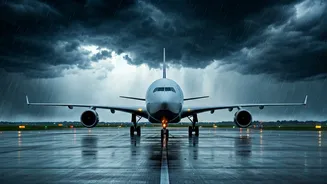
Monsoon travel requires a shift in mindset: build in buffer time. Heavy rains can cause widespread disruption to road and rail networks, with train and bus delays being common. [8] If you're flying, book an early morning flight, as thunderstorms and downpours typically build in the afternoon, causing cascading delays. [14] For connecting flights, a layover of at least 3-4 hours is advisable during the monsoon months. [14, 21] When driving, be aware that even major city roads can become waterlogged and immovable. [2] If you have an important meeting or event like a wedding, plan to arrive at your destination a day or two early to account for any potential travel chaos. [14]
The Stadium Strategy: Waiting Out a Cricket Rain Delay
For a cricket fan, the sight of covers coming onto the pitch is a familiar pain. [7] But a rain delay doesn't have to mean misery. Use the downtime to your advantage. The queues for food and merchandise are often shorter during a delay than before or after the game. [15] It's also a chance to explore the stadium, chat with fellow fans, or even interact with players who sometimes engage with the crowd during a break. [6, 15] Understanding the rules, like the Duckworth-Lewis-Stern (DLS) method in limited-overs matches, can add another layer of engagement as you calculate the revised targets. [7] Ultimately, a shared delay can become a communal experience, a time to bond over the collective hope for the skies to clear.
Shift Your Mindset: Turning Delays into Downtime
The most crucial tip is to accept the unpredictable nature of the season. [19] Instead of getting frustrated by a delay, reframe it as found time. If you're stuck at an airport or a train station, catch up on reading, listen to a podcast, or tackle some pending work emails. If you’re at home and your plans are washed out, consider it a chance to relax with a hot beverage and enjoy the rain from your window. [18] Some travellers even find unique beauty in the monsoon, with fewer crowds at major tourist sites and dramatically lower prices for accommodation. [5, 10] By preparing for the worst, you empower yourself to make the best of the situation.