





Jamun: The Monsoon Superfruit
The deep purple Indian Blackberry, or Jamun, is a quintessential monsoon fruit. Its availability peaks from June to September, making July the perfect time to enjoy it. When you see carts piled high with this glossy fruit, you know the rains have truly
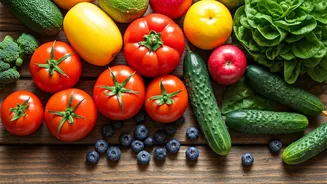
arrived. Jamuns are rich in Vitamin C and iron, which are crucial for boosting immunity during a season known for colds and infections. They are also packed with antioxidants and minerals like magnesium and potassium. Traditionally, Jamun is also valued for its properties that can help in managing blood sugar levels and improving digestion, common concerns during the humid monsoon months. Because they have a short shelf life and are harvested in abundance locally, Jamuns are incredibly budget-friendly. Look for plump, dark fruits without blemishes and enjoy them fresh for the best flavour and nutritional benefit.
Bhutta (Corn): A Rainy Day Essential
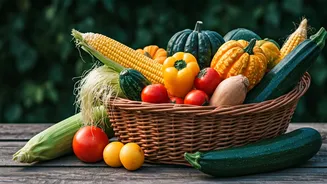
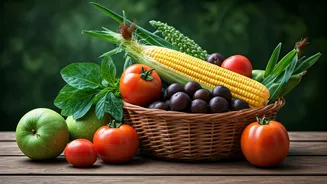
The smell of roasted corn, or bhutta, is synonymous with rainy days in India. While available in various forms year-round, fresh corn on the cob is a special monsoon treat. Harvested during the Kharif season, which aligns with the monsoon, its supply is plentiful, making it an affordable and filling snack. Corn is a good source of fibre, which aids digestion, and provides essential minerals. Whether you prefer it roasted with lemon and masala or boiled and tossed into a salad, it’s a versatile and nutritious choice. Buying directly from local street vendors is often the most economical way to enjoy this seasonal staple. Its satisfying nature can also help curb cravings for less healthy fried snacks that are popular during this season.
Gourds: The Humble Powerhouses
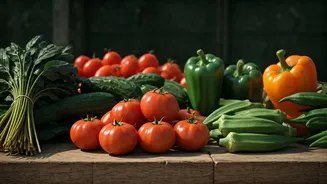
Vegetables like bottle gourd (lauki), bitter gourd (karela), and ridge gourd (turai) thrive during the Indian monsoon. While they might not be the most glamorous vegetables, they are nutritional powerhouses and exceptionally budget-friendly. Lauki, for instance, is rich in both soluble and insoluble fibre and has high water content, making it easy to digest and hydrating. Karela, though an acquired taste, is prized for its ability to help maintain blood sugar levels and is loaded with Vitamin C and antioxidants. These gourds are staples in Indian households for a reason: they are inexpensive, cook quickly, and absorb the flavours of spices beautifully. Their prices tend to be stable and low during July as they are in peak season, offering a reliable and healthy addition to your daily meals.
Plums and Peaches: Juicy and Refreshing
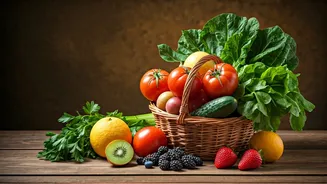
While often associated with cooler climates, many varieties of plums and peaches are harvested in the hilly regions of India and make their way to markets in July. These stone fruits offer a burst of juicy sweetness that can be a refreshing counterpoint to the humid weather. Plums are known to be rich in Vitamin C and antioxidants that help boost immunity and keep common monsoon ailments at bay. Peaches are another great source of vitamins and hydration. As their peak season is short, buying them in July ensures you get the best flavour at a more reasonable price compared to off-season imports. They can be eaten fresh, added to yogurt, or used in desserts. Their natural sweetness can also satisfy sugar cravings in a healthy way.
Leafy Greens: With a Word of Caution
Monsoon is also a time when leafy greens like spinach (palak) and amaranth (chaulai) are available. They are incredibly affordable and packed with iron, calcium, and essential vitamins. A simple dal with palak or a sabzi of amaranth leaves can significantly boost your meal's nutritional profile for very little cost. However, the rainy season also means there's a higher risk of contamination from mud and microbes. It is crucial to wash all leafy greens thoroughly. Soaking them in a bowl of water with a bit of salt or vinegar and then rinsing them under running water is a good practice. When handled with care, these greens are one of the most cost-effective ways to get dense nutrition into your diet.