




A Shift Away From a Sterile Aesthetic
For the better part of a decade, the aspirational home looked like a pristine art gallery. Think polished concrete floors, all-white kitchens, and a distinct lack of personal clutter. While clean and futuristic, this aesthetic often felt cold and impersonal.
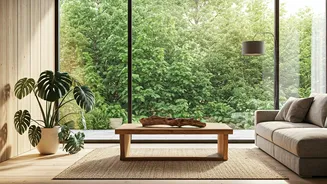
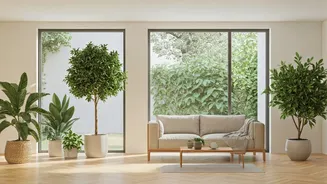
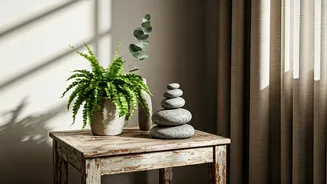
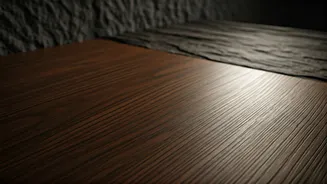
Today, architects and interior designers across India are observing a powerful counter-movement. Homeowners are craving spaces that feel grounding, authentic, and connected to the natural world. This isn’t about recreating a rustic cabin; it’s about integrating the raw, tactile beauty of wood and stone into sophisticated, contemporary settings. The trend is moving away from the perfectly uniform and towards materials that show character, grain, and the beautiful imperfections of nature.
The Psychology of Biophilic Design
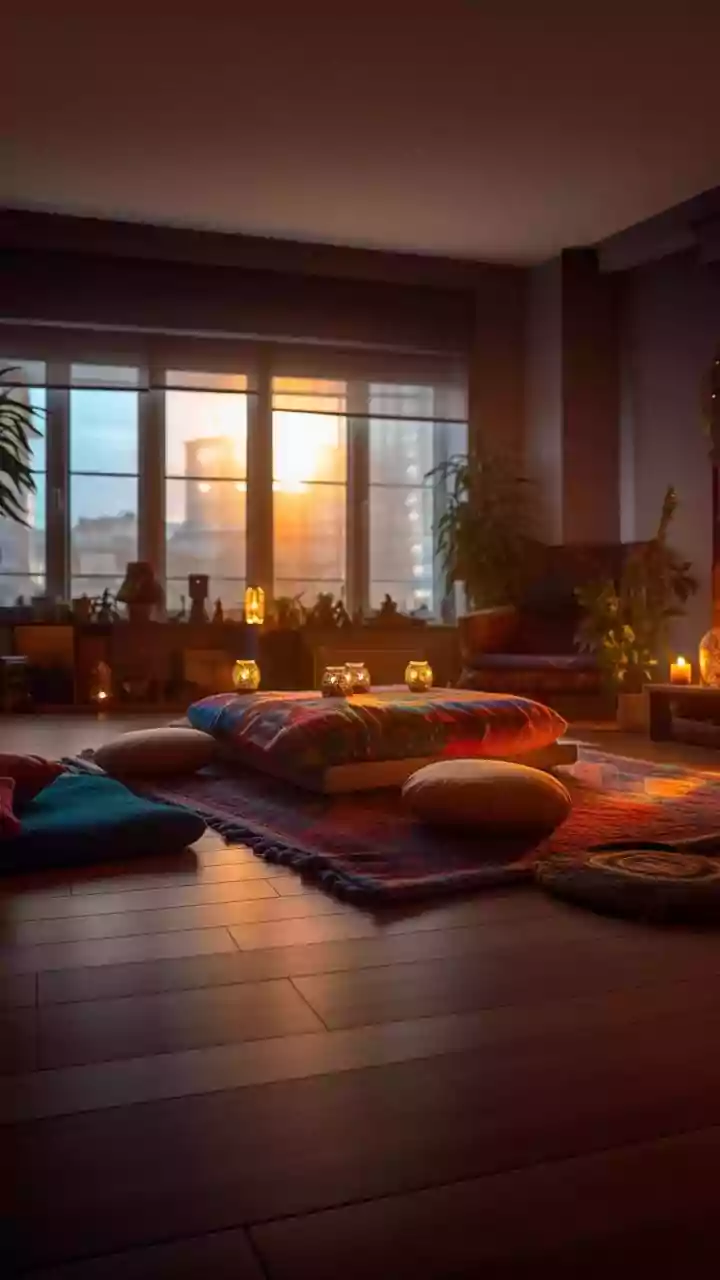
This comeback is rooted in more than just aesthetics; it's driven by psychology. The concept of 'biophilia'—the innate human tendency to seek connections with nature—is at the heart of this trend. In an increasingly digital and urbanised world, our homes have become our sanctuaries. Surrounding ourselves with natural materials has a proven calming effect. The visual texture of wood grain or the cool, solid feel of stone can lower stress levels and improve our sense of well-being. It’s a sensory experience. These materials engage our sense of touch and sight in a way that flat-pack furniture and synthetic surfaces simply cannot. This desire for a tranquil, restorative environment is pushing designers to look beyond the manufactured and embrace the organic.
Modern Interpretations of Timeless Materials
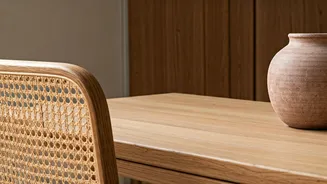
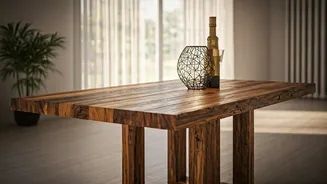
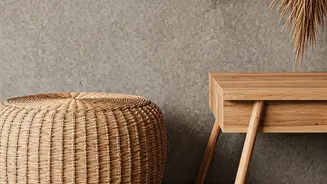
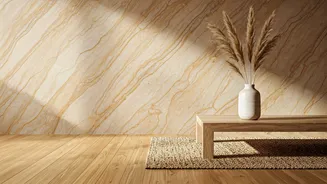
The way stone and wood are being used today is both innovative and respectful of their inherent qualities. We’re seeing fluted wood panels creating elegant feature walls, adding texture and depth without overwhelming a room. Raw, live-edge wooden tables serve as functional art pieces, celebrating the tree's original form. In kitchens and bathrooms, stone is no longer limited to glossy granite. Instead, materials like travertine, slate, and quartzite are being used for their matte finishes and subtle, earthy tones. Designers are layering different types of wood and stone, mixing warm walnuts with cool marbles, to create rich, multi-dimensional interiors. The goal is not to look old-fashioned, but to use these timeless materials in a clean, modern, and intentional way.
Sustainability and A Return to Roots
The growing awareness around sustainability is another key driver. Homeowners are increasingly conscious of their environmental footprint, leading them to choose materials that are durable, renewable, and locally sourced. Reclaimed wood, salvaged from old structures, carries a history and character that new materials can't replicate. Similarly, using locally quarried stone reduces transportation costs and supports regional economies. This shift also represents a return to tradition. For centuries, Indian architecture has masterfully used stone and wood—from the intricate wooden carvings of Chettinad mansions to the steadfast stone forts of Rajasthan. This renewed appreciation feels less like a fleeting trend and more like a rediscovery of our own architectural heritage, updated for the 21st-century home.