







The Reign of High Protein
Walk down any supermarket aisle, and you'll see it: “high protein” slapped on everything from breakfast bars to ice cream. For years, protein has been the star macronutrient, championed by fitness enthusiasts for muscle repair and by dieters for its ability
to promote satiety, or the feeling of fullness. This focus isn't wrong; protein is a vital building block for our bodies, essential for everything from healthy hair and nails to hormone production and immune function. The trend saw many people prioritising paneer, chicken, eggs, and protein shakes, sometimes at the expense of other important food groups.
Why Fibre is Stepping Up
So, what's changed? The conversation is expanding. While protein builds the house, fibre is the crucial maintenance crew that keeps everything running smoothly. Fibre, a type of carbohydrate the body can't digest, was once primarily known for one thing: preventing constipation. While that’s certainly a key benefit, our understanding of fibre's role has grown exponentially. Scientists and nutritionists are now highlighting its profound impact on our overall health, starting with the gut. This shift in focus is a correction, moving us away from a single-nutrient obsession towards a more holistic view of what makes a diet truly healthy.
The Gut Microbiome Connection
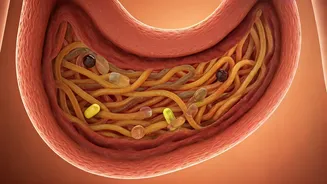
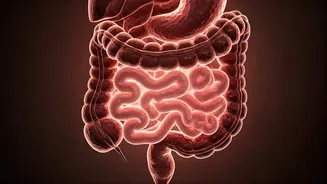
The main reason for fibre's rising star status is the explosion of research into the gut microbiome—the trillions of bacteria and other microbes living in our digestive tract. We now know these tiny residents play a massive role in our health, influencing everything from our immune system and mood to our risk of chronic diseases. And what do these beneficial gut bacteria love to eat? Fibre. Soluble fibre, in particular, acts as a prebiotic, feeding our good gut bacteria. A well-fed microbiome helps reduce inflammation, strengthen the gut barrier, and even produce beneficial compounds like short-chain fatty acids, which have system-wide health benefits. A high-protein, low-fibre diet can inadvertently starve these crucial allies.
More Than Just Digestion
The benefits of a fibre-rich diet extend far beyond the gut. Soluble fibre, found in oats, beans, and apples, helps lower cholesterol levels and stabilise blood sugar by slowing down the absorption of sugar. This is incredibly important for heart health and managing or preventing type 2 diabetes. Insoluble fibre, found in whole grains and vegetables, adds bulk and helps food pass more efficiently through the digestive system. Together, they contribute to a healthy weight by promoting fullness, making you less likely to overeat. Essentially, fibre helps manage some of the biggest health challenges facing modern India today.
A Partnership, Not a Competition
The key takeaway is that this isn't a battle between protein and fibre. In fact, they work best together. A meal that combines lean protein with high-fibre carbohydrates and vegetables is the gold standard for balanced nutrition. The protein provides sustained energy and building blocks, while the fibre manages digestion, feeds your gut, and keeps you feeling full for longer. For example, a high-protein meal without enough fibre might leave you feeling bloated or constipated. Conversely, a high-fibre meal without adequate protein might not keep you satisfied for as long. The goal is synergy on your plate.
Balancing Your Plate in India
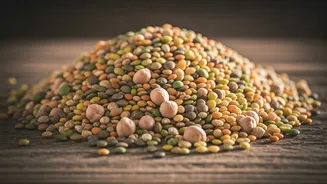
The good news is that a traditional Indian diet is naturally rich in fibre, if we make the right choices. Think of a simple plate of dal (protein and fibre), sabzi (fibre and vitamins), and a roti made from whole wheat or millets like jowar or bajra (complex carbs and fibre). It’s the perfect combination. To boost your intake, focus on including a variety of vegetables in every meal, choosing whole fruits over juices, incorporating lentils and legumes daily, and swapping refined white rice for brown rice or millets. Snack on nuts and seeds instead of processed snacks. This way, you get the best of both worlds without needing to obsess over a single nutrient.