
Choosing Your Green Champions
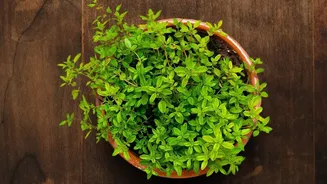
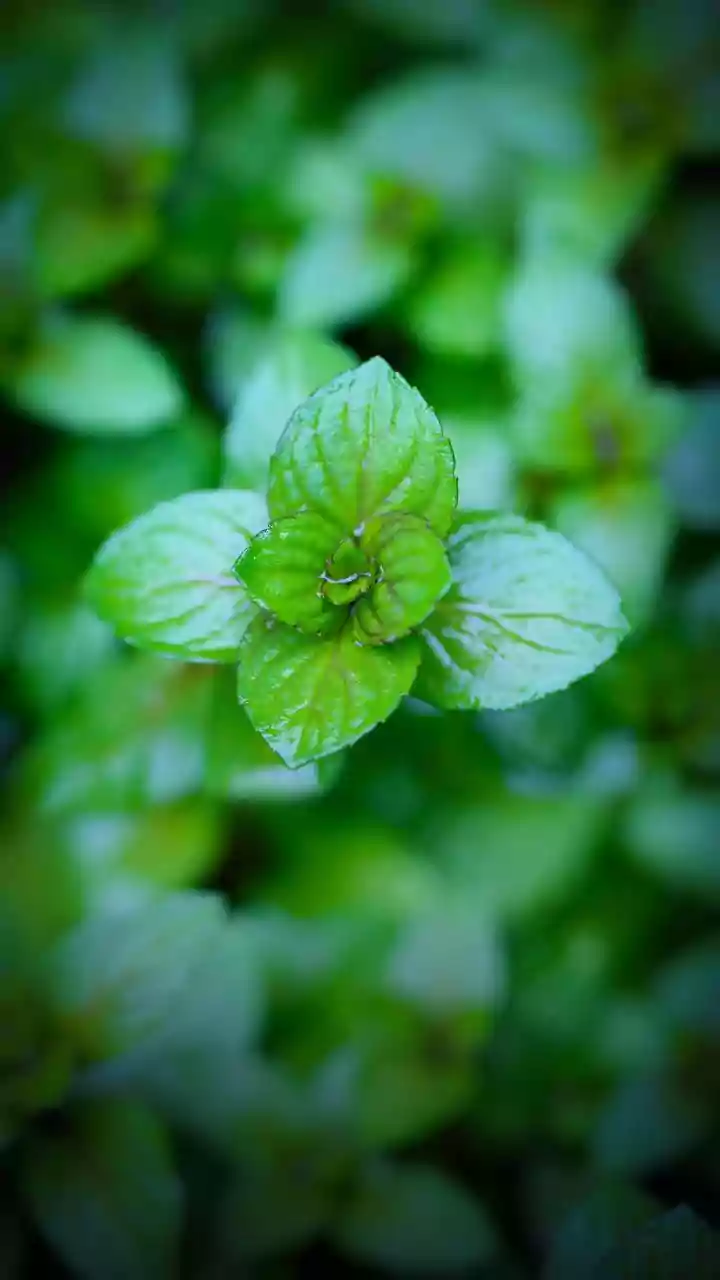
The first step is picking the right players for your team. Not all herbs are created equal when it comes to container life. For Indian balconies, certain herbs are practically destined for success. Tulsi (Holy Basil) is a must-have, thriving in pots and
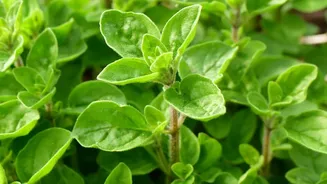
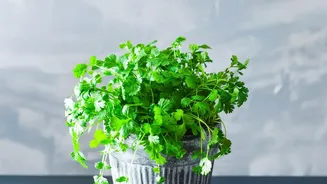
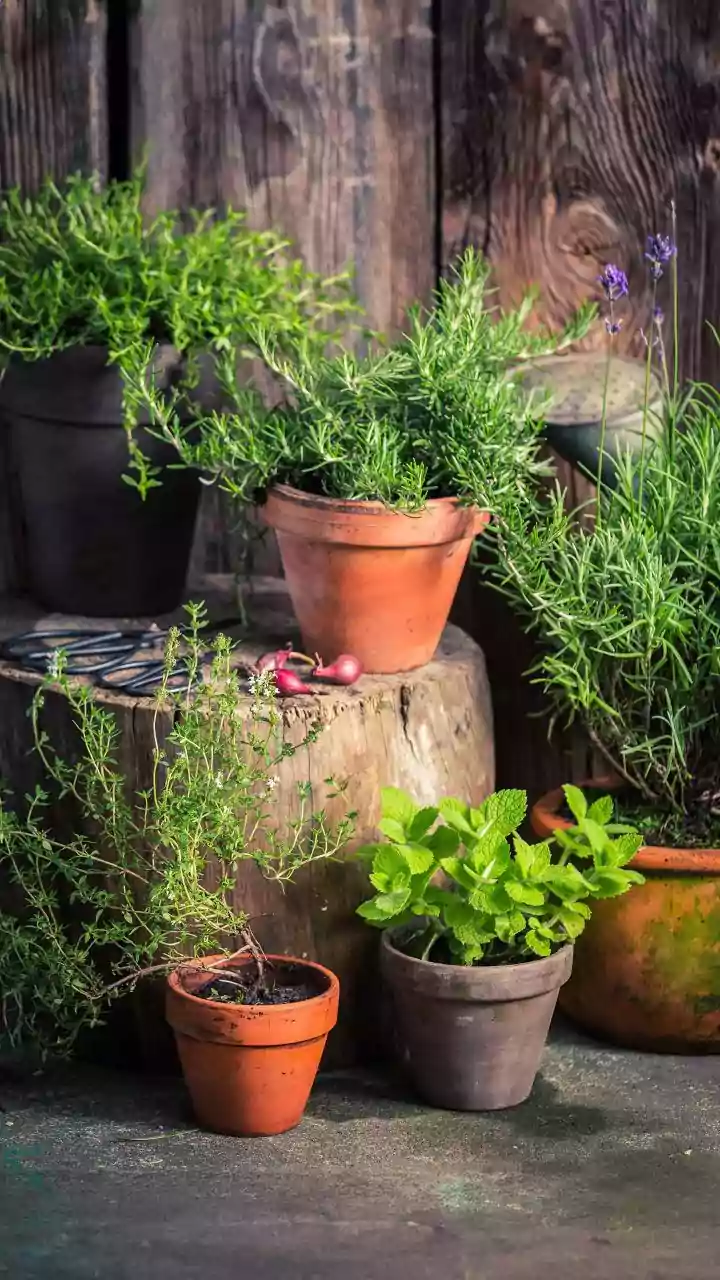
revered for its resilience. Mint (pudina) is another winner; it grows vigorously, so giving it its own pot is wise to prevent it from taking over. Coriander (dhania), with its fresh leaves, is a kitchen staple that can be grown with successive plantings. Other fantastic choices include Curry Leaves (meetha neem), which loves the sun, and Lemongrass, which adds both flavour and a lovely fragrance. For sun-drenched spots, consider Mediterranean herbs like rosemary, oregano, and thyme.
The Right Home for Your Herbs
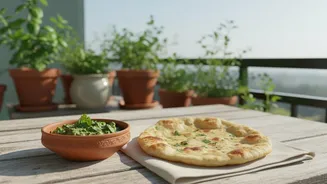
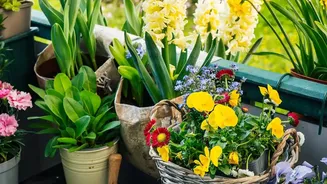
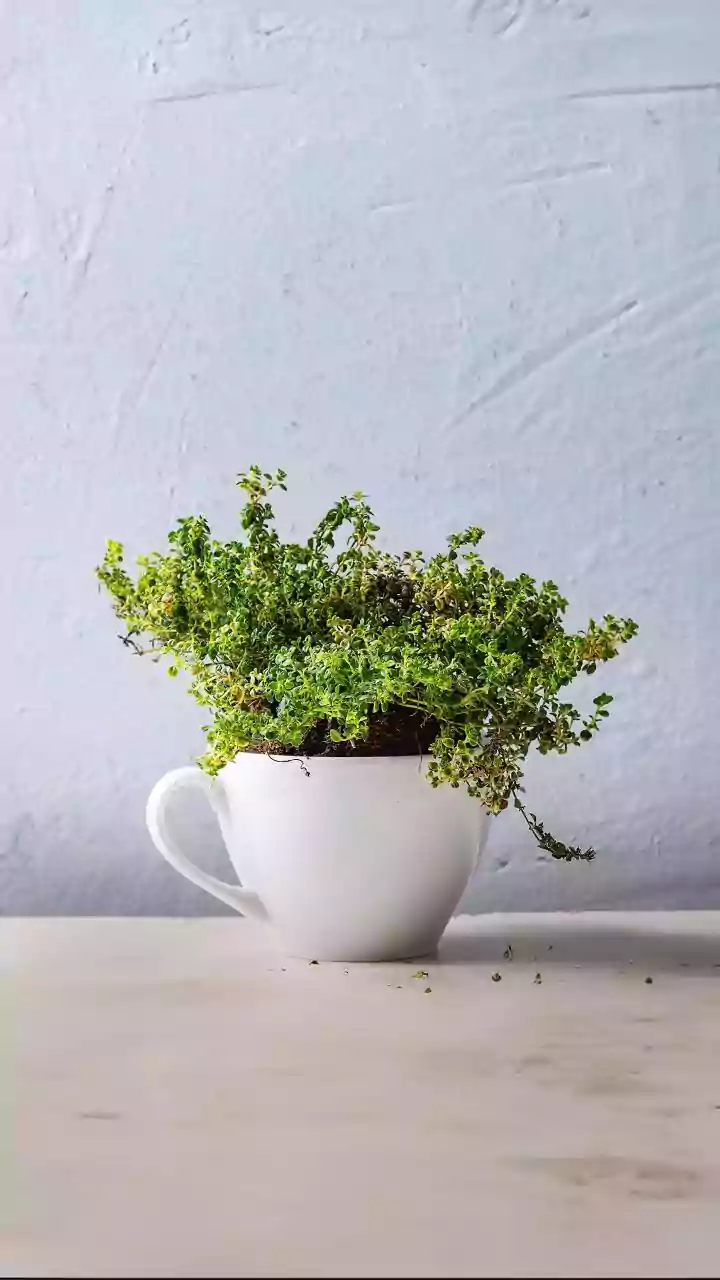
Your herbs need a place to live, and the right container is crucial. The most important feature of any pot is drainage. Ensure any container you choose, whether it's a classic terracotta pot, a lightweight plastic planter, or a decorative ceramic one, has holes at the bottom. This prevents water from logging at the roots, which is a common cause of failure. The size of the pot matters, too. While smaller herbs like thyme can do well in 6-8 inch pots, larger ones like rosemary or a growing curry leaf plant will need more space to stretch their roots. Don't be afraid to group several compatible herbs in a larger planter, which can also help retain moisture better than many small individual pots.
Location, Sunlight, and Your Balcony's Climate
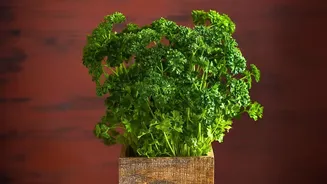
Before you plant, take a day to observe your balcony. How much direct sunlight does it get, and at what time of day? Most culinary herbs, especially those like basil and rosemary, need at least six hours of sun to truly flourish. If your balcony is a sun trap, you're in luck. If it's on the shadier side, receiving only a few hours of direct light, don't despair. Soft, leafy herbs like mint, parsley, and chives are more tolerant of partial shade. Even with just three to four hours of sun, you can still have a successful harvest, though growth might be slower. You can maximize light by using railing planters or placing pots where they will catch the most rays.
The Foundation of Success: Soil and Water
You should not use soil directly from a garden bed. Garden soil is too dense for containers and can compact easily, suffocating roots. Instead, opt for a high-quality potting mix. These mixes are specifically designed to be lightweight and well-draining. A good mix will often contain compost for nutrients, and materials like coco coir or peat moss to retain moisture, plus perlite or vermiculite to ensure good aeration. When it comes to watering, the 'finger test' is your best guide. Stick your finger about an inch into the soil; if it feels dry, it's time to water. Water thoroughly until you see it run out of the drainage holes, then allow the soil to dry out slightly before the next watering. Herbs don't like to be over-fertilized, so a good quality compost-rich potting mix is often enough.
Harvesting for Abundance
The best part of having an herb garden is enjoying the fresh flavours. Regular harvesting is not only rewarding for your kitchen, it's also good for the plants. Pinching or snipping the top leaves encourages the plant to become bushier and more productive. For herbs like basil and mint, regularly pinching off the top sets of leaves will prevent them from becoming tall and leggy and will promote fuller growth. For leafy herbs like coriander, you can harvest the outer leaves first, allowing the centre of the plant to continue producing new growth. This 'cut and come again' method ensures you have a steady supply for all your culinary adventures.