





An Escape from the Urban Grind
For many, life in India's metros had become a cycle of long commutes, high rents, and rising pollution. The shift to remote work, initially a pandemic necessity, became a moment of reckoning. Professionals realised that if work could be done from a city
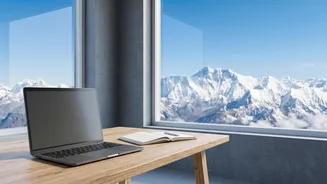
apartment, it could also be done from a place that offered a better quality of life. This has sparked a 'reverse migration' trend, with people choosing to leave behind high-pressure urban environments for the peace and quiet of the mountains. The financial equation is also compelling. While cities like Mumbai and Bengaluru see a large chunk of income go towards rent, smaller towns in Uttarakhand offer a significantly lower cost of living, allowing for a similar or even better lifestyle with less financial strain.
The Irresistible Pull of the Mountains
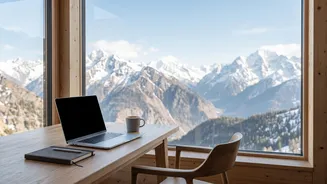
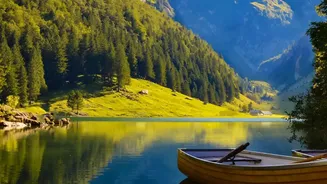
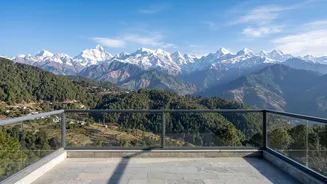
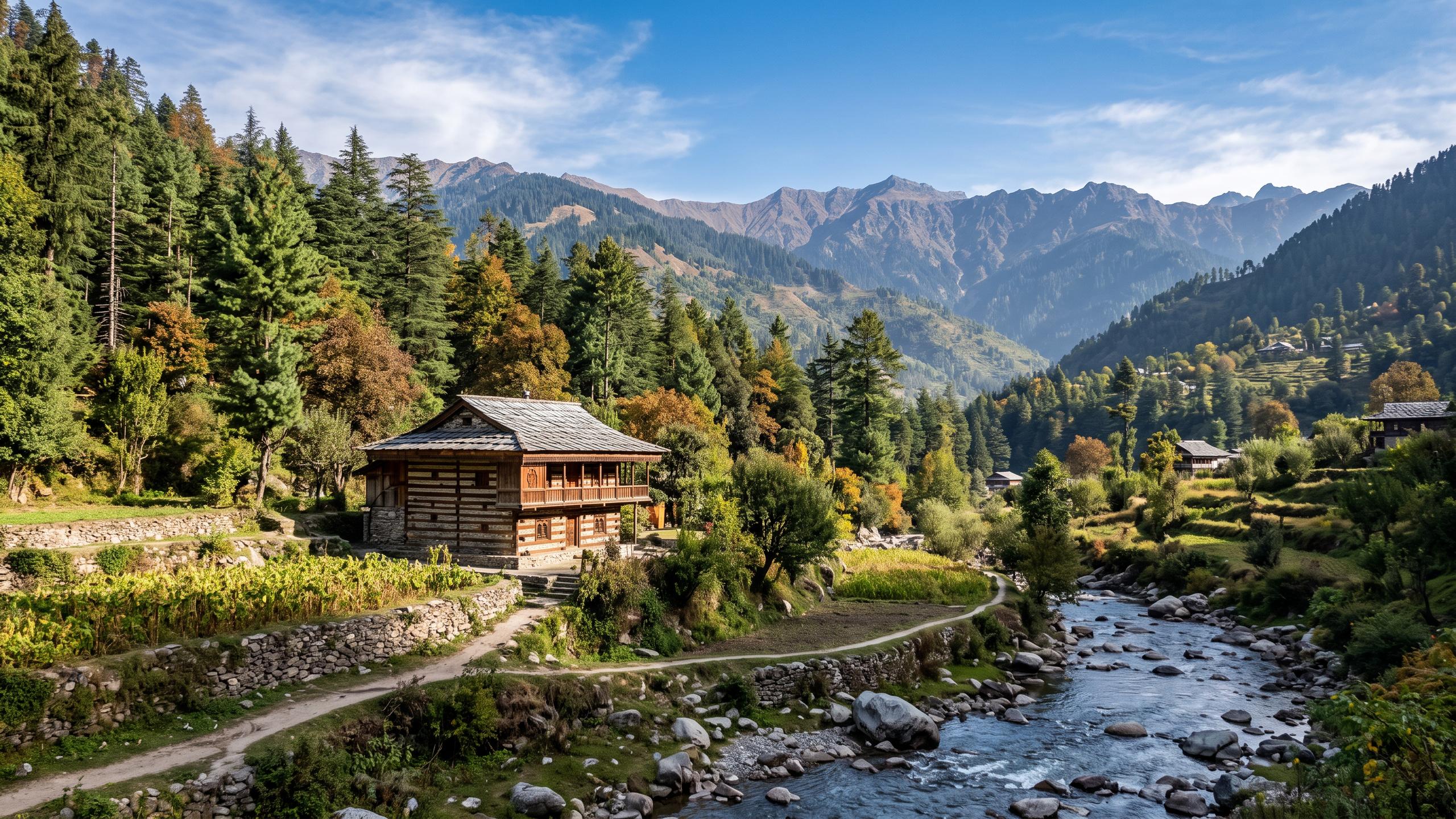
The allure of Uttarakhand is simple yet powerful: clean air, stunning natural beauty, and a slower, more intentional pace of life. This move is often driven by a desire to improve mental and physical well-being. Studies have shown that natural settings lead to lower stress and better cognitive function. Uttarakhand's environment offers a tangible antidote to urban burnout. The state even promotes the traditional concept of 'Ghaam Tapo' – absorbing the warmth of the sun – as a direct counterpoint to the Vitamin D deficiency common among city dwellers who spend most of their time indoors. This blend of work and wellness, often termed a 'workation', has moved from a trending hashtag to a viable lifestyle choice for many.
Digital Connectivity Makes It Possible
This migration would not be possible without a critical piece of infrastructure: reliable internet. Over the last few years, a concerted push from both government and private players has significantly improved digital connectivity in many hill towns. The Uttarakhand government's 'Work from Himalaya' concept is backed by investments in road and rail connectivity, alongside better internet services. While challenges remain, with some remote areas still struggling with patchy networks, many popular destinations now boast high-speed internet, making them feasible for long-term remote work. This digital backbone has been crucial in turning the dream of working from the mountains into a practical reality.
Homestays and Community Boost
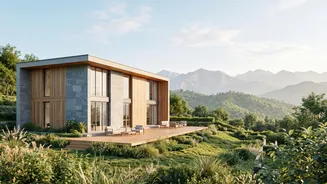
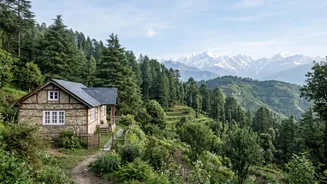
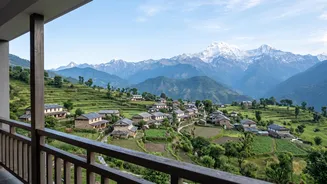
The rise of a robust homestay ecosystem has been another key enabler. The state government's policy has supported the registration and standardisation of thousands of homestays, offering remote workers something more intimate than a hotel. These setups provide the rhythm of a real household, often with home-cooked meals, creating a more nourishing and integrated experience. This trend has also provided an economic boost to local communities, helping to reverse the 'ghost village' crisis where entire populations had previously left for cities in search of work. Returning migrants and new entrepreneurs are setting up homestays, cafes, and other ventures, revitalising local economies.
Popular Hubs and Lingering Challenges
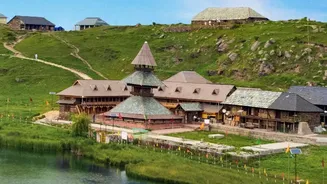
Several villages and towns have emerged as hotspots. Places like Kasar Devi, Mukteshwar, Ramgarh, and Chakrata are drawing artists, writers, and tech professionals with their tranquil atmosphere and creative energy. Even the state capital, Dehradun, offers a blend of urban convenience and natural beauty at a relatively low cost. However, the lifestyle is not without its difficulties. Social isolation is a real concern, with remote workers sometimes finding it hard to build a new social circle in sleepy towns. Unreliable power supply and inconsistent internet in the more remote corners can also disrupt work. For those considering the move, it's a trade-off between the undeniable peace of the mountains and the conveniences of city life.