



The Loom of History
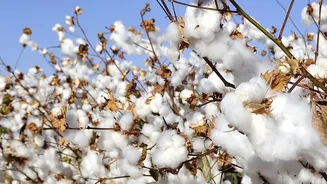
Coimbatore's story is spun from cotton. For centuries, the region's rich black soil and favourable climate made it a hub for cotton cultivation. This history stretches back to ancient times, with evidence of a Roman settlement 2,000 years ago, indicating
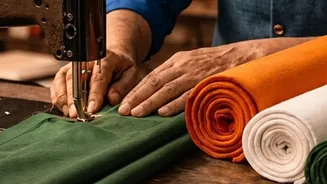
its importance on trade routes. However, the city's modern identity was forged in the late 19th and early 20th centuries. The establishment of the first mechanised spinning mills, like Sir Robert Stanes' mill in 1888, marked the beginning of an industrial revolution. The arrival of hydroelectric power from the Pykara project in the 1930s supercharged this growth, allowing dozens of mills to spring up, earning Coimbatore its famous moniker. This wasn't just about producing yarn; it was about building a city with an industrious and entrepreneurial spirit that continues to define it.
Mills, Markets and Museums
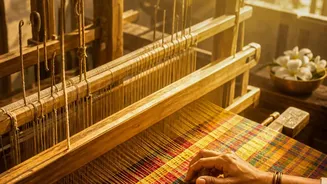
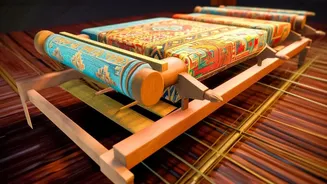
To see this history firsthand, a visit to the Kasthuri Sreenivasan Art Gallery and Textile Museum is essential. It offers a chronological journey of the textile industry, with displays of antique looms, spinning wheels, and stunning fabrics that tell the story of a rich heritage. While many of the original grand mills are now just names on bus stops, their architectural influence can still be felt in the city's layout. The streets of Sukrawarpet and Oppanakara Street, once the hub of weaving and trade, still pulse with commercial energy. For a tangible connection to this legacy, these old town areas offer a glimpse into the commercial heart that has been beating for centuries.
A Culture of Enterprise
The wealth generated by the textile boom did more than just enrich mill owners; it was reinvested into the city's future. A prime example is the story of PSG & Sons' Charities. In 1926, four brothers divided their ancestral property into five parts, dedicating the fifth to charity. This act of philanthropy laid the foundation for some of the city's most important institutions, including the PSG College of Technology and PSG Hospitals. This created a unique ecosystem where industry fueled education, and education, in turn, supported industry. The textile mills required constant maintenance and new parts, which spurred the growth of a robust engineering and foundry sector. This created a spirit of self-reliance and innovation, embodied by figures like the industrialist G.D. Naidu, whose museums today showcase a fascinating collection of cars and inventions, reflecting the city's enduring curiosity and technical prowess.
Weaving a Modern Identity
Today, Coimbatore is more than just a textile hub. The entrepreneurial DNA cultivated by the mills has allowed the city to diversify into IT, healthcare, and precision engineering, earning it the new nickname 'Detroit of South India' for its auto components industry. Large tech parks now stand where cotton fields may have once grown, but the underlying principles remain the same: a strong work ethic, a focus on quality, and a knack for enterprise. The textile industry itself has evolved, moving towards technical textiles and high-value garments. The city's journey is a testament to its ability to adapt and build upon its historic strengths, weaving new threads of technology and innovation into its established industrial fabric.
The Fabric of Life: Shopping and Cuisine
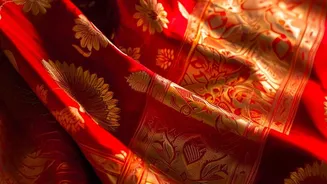
A trip to Coimbatore is incomplete without indulging in its two most famous products: textiles and food. For shoppers, the city is a paradise for high-quality fabrics. A must-buy is the Kovai Cora Cotton saree, a unique blend of silk and cotton known for its light weight and intricate borders, which has been granted a Geographical Indication tag. Beyond sarees, the bustling markets at RS Puram and Gandhipuram offer everything from traditional textiles to modern apparel. The city's cuisine is also a reflection of its history. The influx of workers for the mills brought diverse culinary traditions, resulting in a vibrant food scene. From hearty South Indian meals to the local speciality, Coimbatore Mutton Biryani, the city’s food culture is as rich and layered as its history.