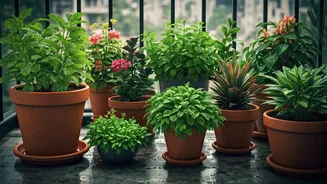



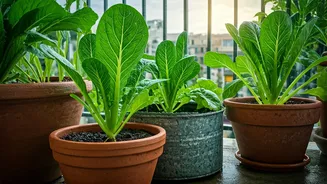


1. Prioritise Drainage Above All Else
The single biggest threat to balcony plants during the monsoon is not a lack of water, but an excess of it. [11] Waterlogged soil suffocates roots, leading to root rot. This is the golden rule of monsoon gardening. [2] First, ensure every pot has drainage
holes. [4] If they seem blocked, clear them. Second, consider using pot feet or placing pots on bricks to elevate them. [13, 19] This simple trick allows excess water to drain away freely and improves airflow, preventing the pot from sitting in a puddle. [19] Some gardeners also find that grow bags made of breathable fabric are more resistant to waterlogging than traditional plastic pots. [9]
2. Choose Monsoon-Happy Plants
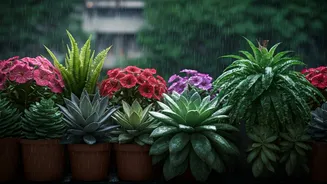
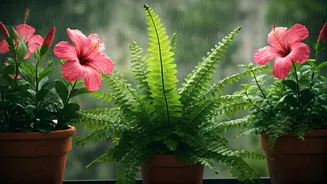
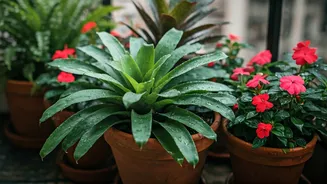
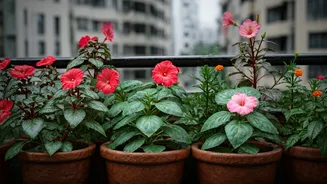
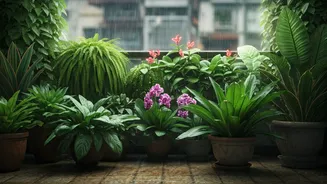
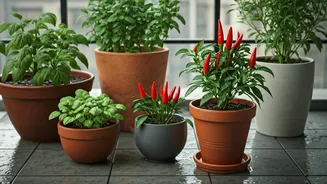
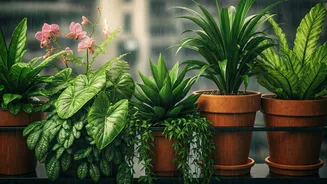
Not all plants enjoy a downpour. Succulents and cacti, for example, are prone to rot and should be moved to a sheltered spot. [2] Instead, select species that thrive in the high humidity and moist conditions of the Indian monsoon. [7] For vibrant flowers, consider hibiscus, balsam, marigold, and periwinkle, all of which are hardy and bloom profusely during this season. [5, 7, 8] Jasmine (Mogra) is another excellent choice, loved for its fragrant blooms that intensify in the humid air. [7] For lush greenery, plants like coleus, ferns, and areca palms are fantastic options. [2, 8] You can even grow edibles; mint, coriander, chillies, and various gourds do very well. [2, 5]
3. Craft a Well-Draining Potting Mix
Standard garden soil is often too dense for pots and can become a solid, muddy block during the monsoon. A good potting mix for this season should be light and porous to allow water to pass through easily. [18] You can create your own effective mix. A popular recipe involves combining garden soil with equal parts compost for nutrients and coco peat for moisture retention, plus coarse sand or perlite to improve drainage. [6, 22] A sample mix could be 40% garden soil, 40% compost, and 20% cocopeat. [6] This creates a balanced environment that holds enough moisture for the roots without becoming waterlogged. [21]
4. Manage Watering Wisely
It might sound counterintuitive, but you still need to manage watering during the monsoon. The rain might not be consistent, and a covered balcony may not get any rainwater at all. The key is to avoid watering on a schedule. Instead, check the soil daily. [13] Stick your finger about an inch into the soil; if it feels dry, then it's time to water. [13] If it's still moist, let it be. [13] Overwatering is one of the most common mistakes, and combined with heavy rains, it can quickly lead to root rot. [6]
5. Prevent Pests and Fungal Infections
High humidity and damp conditions create a perfect breeding ground for pests like snails, slugs, and mealybugs, as well as fungal diseases like powdery mildew. [3, 15] Prevention is far better than cure. Ensure good air circulation by not overcrowding your plants. [11] Regularly remove any dead or yellowing leaves to prevent decay. [17] For a natural, preventative pest solution, a spray made from neem oil, mild liquid soap, and water is highly effective and safe for plants. [15, 17] Applying this every 10-14 days can keep most common monsoon pests at bay. [11, 15]
6. Provide Shelter from Wind and Rain
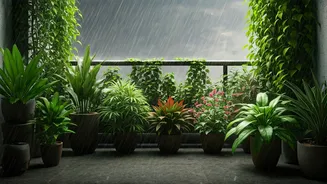
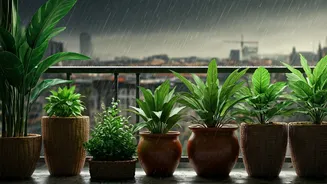
Monsoon storms can bring strong winds and torrential rain that can physically damage plants, breaking stems and tearing leaves. [3] If possible, move more delicate plants to a sheltered spot against a wall or under an overhang during heavy downpours. [19] For taller plants that cannot be moved, provide support by loosely tying them to stakes or your balcony railing to prevent them from snapping in the wind. [2, 6] This little bit of structural support can make all the difference in helping your plants survive the season intact.