


The Mushroom That Isn't
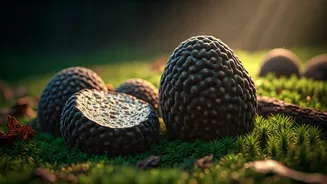
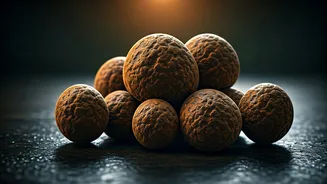
At first glance, Rugda doesn’t look like much. Found in the bustling local markets of Jharkhand, particularly in cities like Ranchi and Khunti, they resemble small, mud-caked potatoes or smooth stones. There’s no familiar cap or stem. But slice one open,
and you’ll find a dense, white or blackish interior. This is the first clue that you’re dealing with something special. Botanically, Rugda isn't a true mushroom. It's a type of edible puffball fungus, scientifically identified as species like *Astraeus hygrometricus* and *Lycoperdon spp*. Unlike cultivated mushrooms, Rugda cannot be farmed. Its appearance is a wild, unpredictable gift of nature, which only adds to its allure.
A Gift from the Sal Forests
Rugda’s story is intrinsically linked to the grand Sal trees that dominate the forests of Jharkhand and neighbouring states like Odisha and Chhattisgarh. This fungus has a mycorrhizal relationship with the Sal tree roots, meaning they exist in a symbiotic partnership. The fungus helps the tree absorb nutrients, and in return, the tree provides the fungus with sugars. This unique bond means Rugda only grows in the soil beneath these specific trees. It lies dormant for most of the year, waiting for a specific trigger: the first heavy showers of the monsoon, often accompanied by thunder and lightning. Locals believe the sound of thunder awakens the Rugda, causing them to sprout from the damp earth, ready to be discovered.
The Thrill of the Forage
Harvesting Rugda is a delicate and labour-intensive task, deeply woven into the lives of the local tribal communities. As the monsoon sets in, women from these communities venture deep into the forests, their eyes trained on the ground beneath the Sal trees. They scan for subtle cracks in the soil, the only sign that a cluster of Rugda is growing beneath. Carefully, they dig into the earth with their bare hands or small tools to unearth these subterranean treasures. The process is a testament to traditional ecological knowledge passed down through generations. Because of its short shelf life—it must be consumed within a few days of being harvested—and the difficulty in finding it, Rugda becomes a precious commodity in local markets, its price fluctuating with the day’s haul.
Jharkhand's 'Vegetarian Mutton'
So, what does this mysterious fungus taste like? Rugda’s most famous quality is its texture. When cooked, it becomes remarkably chewy and dense, earning it the affectionate nickname, “vegetarian’s mutton.” The flavour is subtle yet distinct—earthy, nutty, and deeply savoury, absorbing the spices of any dish it’s added to. The most common preparation is a simple but flavourful curry. The Rugda are first cleaned meticulously to remove all traces of mud, then sautéed with onions, ginger, garlic, tomatoes, and a blend of aromatic spices like turmeric, coriander, and garam masala. The resulting dish, often called Rugda Jhol, is a hearty, protein-packed delicacy served with rice or rotis. Some also enjoy it as a simple stir-fry or 'bhunjia,' allowing its unique texture to take centre stage.
More Than Just a Monsoon Treat
Beyond its culinary appeal, Rugda is a powerhouse of nutrition. It is incredibly rich in protein and packed with minerals, offering a vital source of nourishment for the communities that rely on it. Its seasonal appearance provides a crucial economic boost for the foragers who sell it in the markets. For them, it’s not just food; it’s a source of income that helps sustain their families through the monsoon months. Rugda represents a perfect harmony between nature, culture, and cuisine. It is a food that tells a story of the forest, the rain, the community that gathers it, and the unique flavours of a region.