






The Wisdom of Eating Seasonally and Locally
Long before 'farm-to-table' became a trend, it was a way of life in India. Traditional diets were built around seasonal and local produce for a simple reason: it is what nature provides. This approach, emphasized in Ayurveda as 'Ritucharya', ensures that
the body gets what it needs to cope with the climate. For instance, cooling foods like watermelon and cucumber are abundant in the summer to combat heat and dehydration, while winter brings root vegetables, leafy greens like sarson and methi, and warming ingredients like ginger and sesame to provide dense nourishment. Eating seasonally does more than just align our bodies with nature. It guarantees that our food is at its nutritional peak, packed with flavour, vitamins, and antioxidants. It also introduces natural variety into our diet throughout the year, which is crucial for a diverse and healthy gut microbiome. By returning to this principle, modern kitchens can enhance digestion, boost immunity, and enjoy fresher, more flavourful meals without complex diet plans.
A Masterclass in Nutrient Preservation
Traditional Indian cooking is a science of maximizing nutrition. Our ancestors intuitively used methods that modern science now validates for their ability to preserve and even enhance the nutritional value of food. For example, soaking lentils, grains, and legumes before cooking is a common practice. This simple step reduces anti-nutrients like phytates, which can block mineral absorption, and makes the food easier to digest. Fermentation, used to make everything from dosa batter and dhokla to kanji and gundruk, boosts beneficial gut bacteria and increases the content of vitamins like B12. Other techniques, such as sprouting, increase vitamin C content and improve the absorption of zinc. Even the choice of cookware played a role. Cooking in cast iron vessels can increase the iron content of food, while slow cooking in earthen pots helps retain nutrients and balance the pH of acidic ingredients. Covering a pot while cooking traps steam and preserves heat-sensitive, water-soluble nutrients like Vitamin C and B vitamins.
The Art of a Truly Balanced Meal
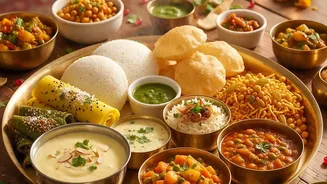
A traditional Indian thali is the original balanced plate. It is not just a random assortment of dishes but a carefully constructed meal designed for complete nutrition and sensory satisfaction. Ayurvedic principles advocate for including all six tastes—sweet, sour, salty, pungent, bitter, and astringent—in every meal. This ensures a wide range of nutrients and promotes a feeling of satiety, reducing cravings for unhealthy snacks later. A typical meal combines grains (like rice or roti) for carbohydrates, dal or legumes for protein, vegetables for vitamins and fibre, and a dairy product like yogurt or buttermilk for probiotics and calcium. Spices like turmeric, cumin, ginger, and pepper are not just for flavour; they are powerful anti-inflammatory and antioxidant agents that aid digestion and boost immunity. The use of healthy fats like ghee or cold-pressed regional oils (mustard, coconut, sesame) provides energy and helps the body absorb fat-soluble vitamins. This holistic approach ensures a meal is balanced in both macronutrients and micronutrients.
Making Tradition Work in a Modern Kitchen
Adopting these principles does not mean spending all day in the kitchen. It is about making small, intentional shifts. Start by identifying what grows in your region each season and plan your weekly shopping around it. Instead of using one all-purpose refined oil, try reintroducing traditional fats like ghee for finishing dals or cold-pressed mustard oil for specific vegetable preparations to enhance flavour. Make a habit of soaking dals and legumes overnight—it takes a moment of planning but significantly improves digestion. You can also embrace simple, one-pot meals like khichdi, which combines grains and lentils, or prepare a simple dal with a side of steamed vegetables. Even a simple tadka of spices in ghee can transform a basic dish into something flavourful and nourishing. The goal is not to replicate the past perfectly but to integrate its wisdom into our contemporary lives, creating a sustainable and enjoyable path to better health.