

Essential Paperwork and Digital Docs
Before you even think about the mechanical checks, ensure your paperwork is in order. In India, being stopped by authorities is common, and missing documents can derail your trip. You must have your valid driving license, the vehicle's Registration Certificate
(RC), and a valid car insurance policy. A Pollution Under Control (PUC) certificate is also mandatory and frequently checked. For seamless travel across state lines and at toll plazas, a functional FASTag with a sufficient balance is non-negotiable. It’s wise to carry both physical copies and digital versions in apps like DigiLocker or mParivahan for backup.
Brakes, Tyres, and Grip
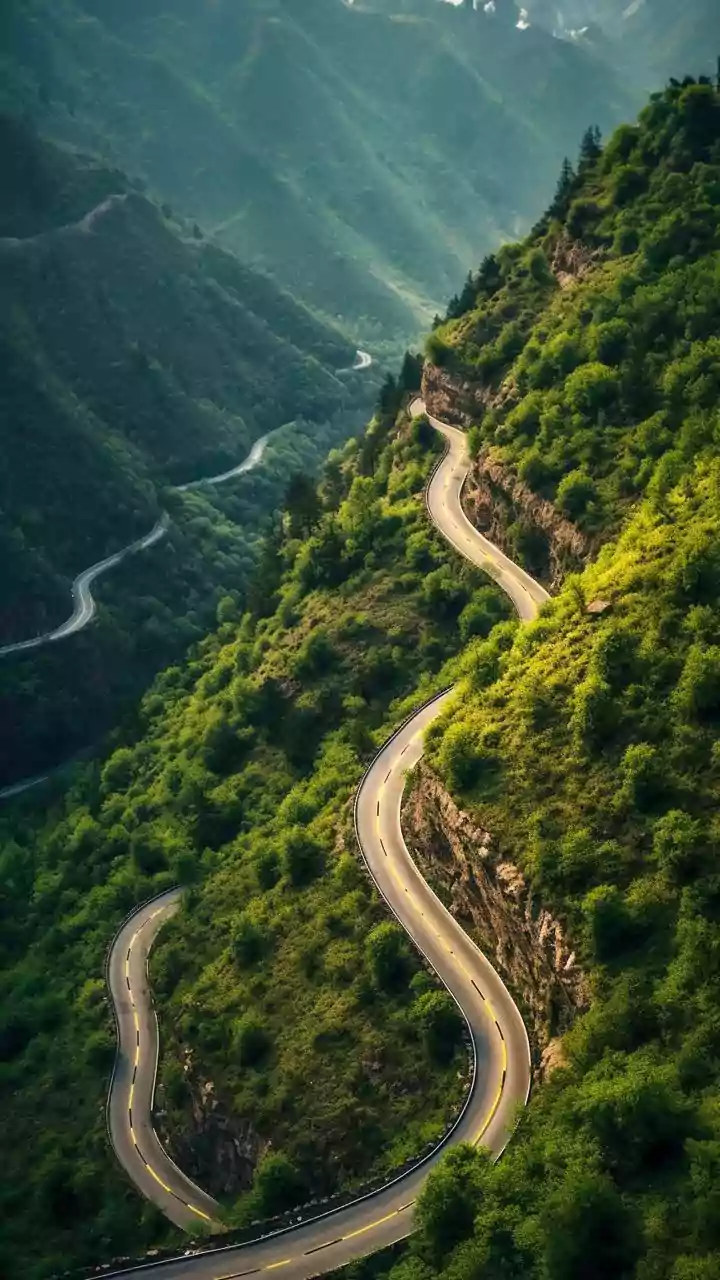
Mountain roads are demanding on your car's most critical safety components. Your brakes will be working overtime on steep descents. Before your trip, have a mechanic inspect the brake pads for wear and check the brake fluid levels. Tyres are your only contact with the road, so their condition is paramount. Check the tread depth to ensure adequate grip, especially in wet or gravelly conditions. Inflate all four tyres to the manufacturer's recommended pressure, and don't forget to check the spare tyre as well. A portable tyre inflator can be a lifesaver in remote areas.
Under the Bonnet Health Check
Long climbs can put immense strain on the engine, making it prone to overheating. Start by checking the engine oil level and quality; it should be at the correct level and not look black or sludgy. The cooling system is equally critical. Ensure the coolant reservoir is filled to the recommended level with the correct type of coolant, not just water. Also, inspect all belts and hoses for cracks or signs of wear. A snapped belt can bring your journey to an abrupt halt. Finally, ensure your car's battery terminals are clean and the battery is holding a strong charge, as cold weather can reduce its performance.
The Roadside Emergency Kit
While you hope for the best, you must prepare for the worst. A well-stocked emergency kit is essential. This should include a basic toolkit with screwdrivers and pliers, a jack, and a wheel spanner for changing a tyre. Jumper cables for a dead battery and a tow rope are also highly recommended. For nighttime emergencies, a powerful flashlight with extra batteries is more reliable than your phone's light. A comprehensive first-aid kit containing bandages, antiseptic, pain relievers, and any personal medications is a must. Adding motion sickness and altitude sickness medication is also a smart move for mountain travel.
Hill-Specific Gear and Comforts
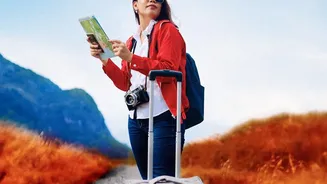
Driving in the hills comes with unique challenges. Chewing gum can help relieve ear pressure during rapid altitude changes. Due to stronger UV radiation at higher altitudes, sunscreen and sunglasses are important for protection. For winter trips or high-altitude passes, snow chains and extra coolant are advisable. Inside the car, keep a daypack accessible with essentials like water, high-energy snacks such as dry fruits, wet wipes, and a power bank for your phone. Offline maps downloaded on your phone are crucial, as mobile connectivity can be unreliable in remote mountain areas.