
The Core Challenge: Excess Moisture
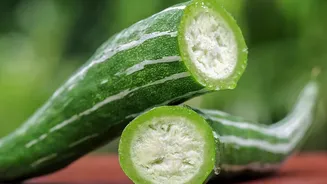
The primary reason bottle gourd (lauki or dudhi) peel kebabs fall apart is water content. Like the flesh, the peels are packed with moisture. When you grate or grind them, this water is released, creating a soggy mixture that resists binding and can disintegrate
in the pan. The most critical first step, before you even think about binders, is to remove as much of this liquid as possible. After grating the peels, salt them lightly and let them sit for about 15 minutes. Then, gather the grated peel in your palms or in a muslin cloth and squeeze firmly until no more water comes out. This single step will dramatically improve your chances of success, creating a much better base for the binding agents to work their magic.
Primary Binders: The Heavy Lifters
Once you have a relatively dry mixture, it's time to introduce a primary binding agent. These are starchy ingredients that absorb any residual moisture and create a cohesive, mouldable dough. The most popular choice in Indian cooking is roasted gram flour (besan or sattu). Roasting the besan in a dry pan for a few minutes until it's aromatic not only removes its raw taste but also enhances its binding power. Start with a couple of tablespoons and add more only if needed. Other excellent options include breadcrumbs, which create a light texture, or powdered roasted chana dal, which provides a nutty flavour and a firm hold. Soaked and coarsely ground chana dal can also be used, adding texture as well as binding properties.
Secondary Binders: Flavour and Structure
While primary binders are essential for absorption, secondary binders can add both flavour and structural integrity. A small boiled and mashed potato is a classic choice for vegetarian tikkis and kebabs. Its starchiness helps hold everything together while keeping the inside of the kebab soft and fluffy. Other ingredients can play a dual role. For instance, coarsely ground oats can absorb moisture while adding fibre and a unique texture. Some recipes also incorporate a small amount of paneer or even soaked bread slices (with the water squeezed out) to help create a firmer kebab mixture. These additions should be used in moderation, as the goal is to bind the peels, not to overpower their delicate flavour.
The Right Technique for Perfect Kebabs
Beyond the ingredients, technique plays a crucial role. After combining your squeezed peels, spices, and binders, mix everything thoroughly but avoid overworking it, which can sometimes make the mixture tough. A vital step often overlooked is resting the mixture. Chilling the kebab dough in the refrigerator for at least 30 minutes allows the binders to fully hydrate and absorb moisture, resulting in a firmer, less sticky mixture that is much easier to shape. When you are ready to cook, lightly grease your hands with oil to prevent the mixture from sticking to your palms. Shape the kebabs firmly, ensuring there are no cracks. Finally, pan-fry them on a medium-low flame. Cooking them too quickly on high heat can cause the outside to burn before the inside is cooked and properly set, increasing the risk of them breaking apart.
Bringing It All Together: A Simple Framework
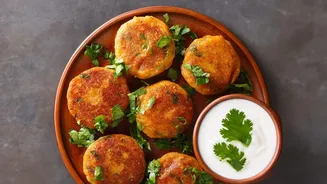
To apply these principles, start with about one cup of tightly squeezed, grated bottle gourd peel. To this, add your flavourings: finely chopped onion, ginger-garlic paste, green chillies, and fresh coriander. For spices, a mix of garam masala, coriander powder, and chaat masala works well. Now, introduce your primary binder. Begin with two tablespoons of roasted besan and mix well. If the mixture still feels too wet to hold a shape, add another tablespoon. For extra structure, consider adding half a small mashed potato. Mix, and then let the entire mixture rest in the fridge for 30 minutes. Shape into patties or cylindrical kebabs and shallow fry in hot oil on a medium flame until both sides are golden brown and crisp. This balanced approach ensures your kebabs are not only flavourful but also perfectly bound.