



The Sun’s Invisible Threat
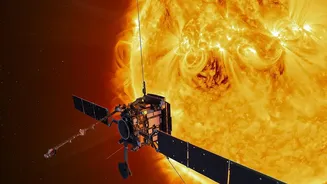
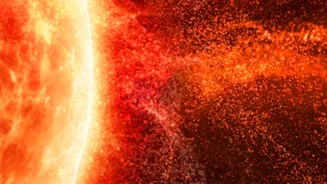
Space weather refers to the changing conditions in space driven by the Sun's activity. The primary culprits are solar flares, which are intense bursts of radiation, and coronal mass ejectons (CMEs), which are massive clouds of solar plasma and magnetic
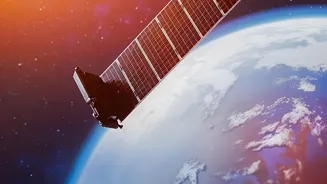
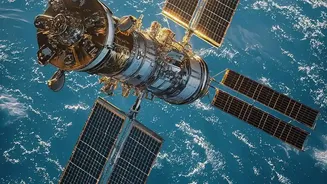
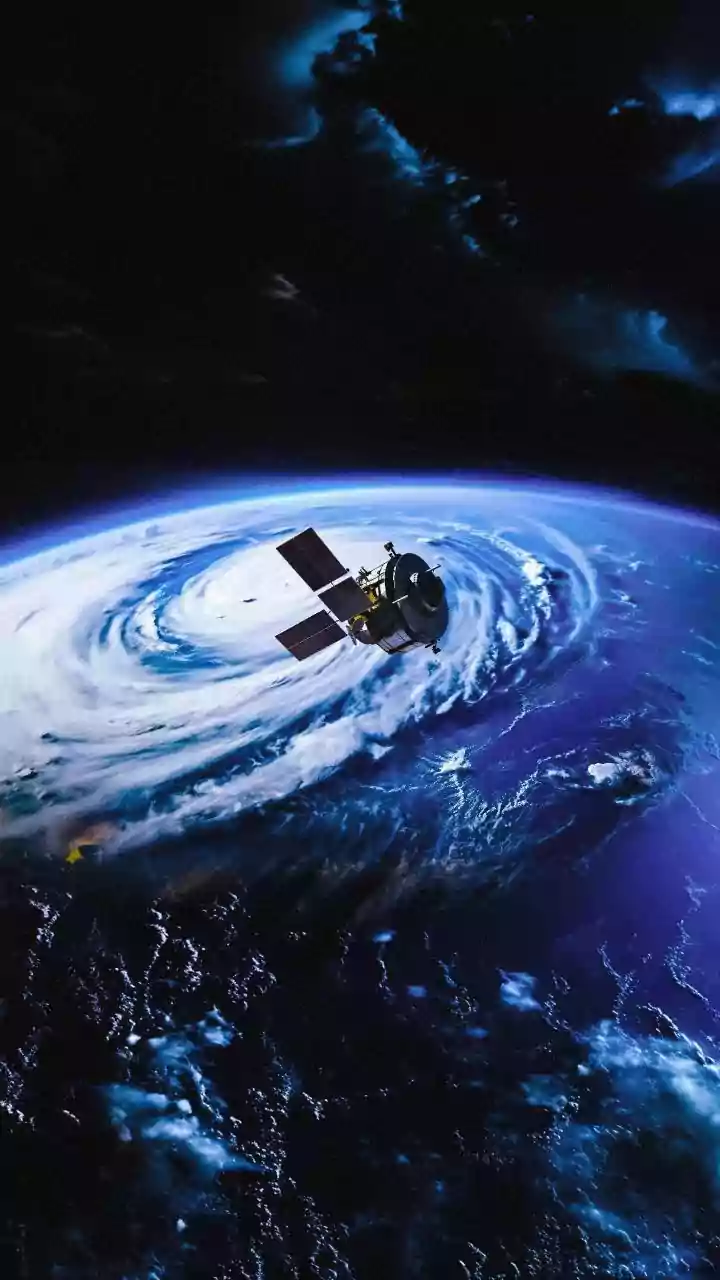
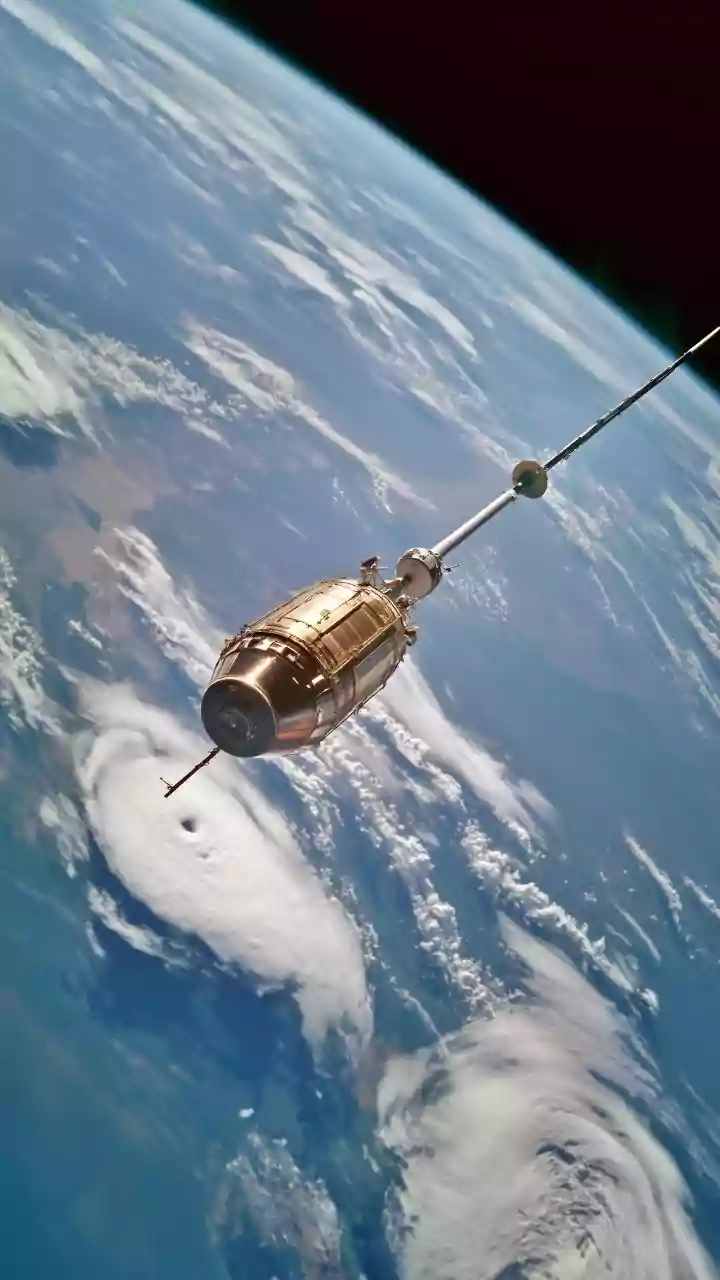
fields hurtling through space. When directed at Earth, this onslaught of energetic particles can have severe consequences. For satellites, the risks include radiation damage to sensitive electronics, disruptions to GPS signals causing positioning errors, and increased atmospheric drag that can alter their orbits. In extreme cases, these storms can cause permanent failure, threatening the communication, navigation, and financial systems we rely on daily.
Our Eyes on the Sun
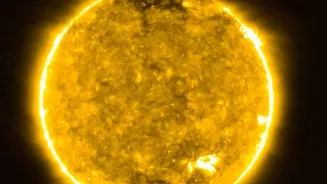
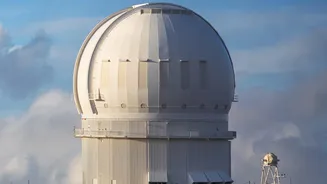
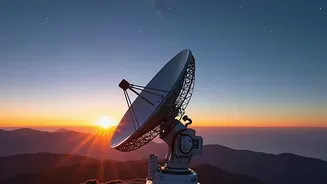
Long before a solar storm reaches Earth, our first line of defence is on the ground. A global network of solar observatories continuously watches the Sun, tracking its behaviour. Telescopes record sunspots, which are indicators of solar activity. Specialised instruments called magnetograms map the Sun's complex magnetic fields, as changes in these fields are often precursors to flares and CMEs. By analysing the Sun's light spectrum, scientists can deduce the composition and velocity of material being ejected. Networks like the Global Oscillation Network Group (GONG) combine data from multiple sites to provide a 24/7, uninterrupted view of our star, ensuring we never miss a critical event.
India's Vigilant Watch
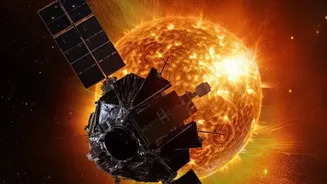
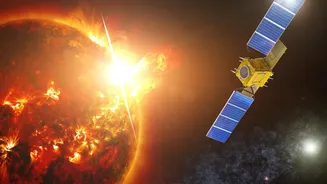
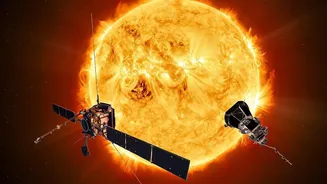
India plays a significant role in this global effort. Historic institutions like the Kodaikanal Solar Observatory have been collecting solar data for over a century, providing one of the longest continuous records of the Sun's activity in the world. It, along with the Udaipur Solar Observatory, focuses on solar physics and contributes to space weather prediction research. This ground-based expertise is now complemented by ISRO's Aditya-L1 mission. Positioned 1.5 million kilometres from Earth, Aditya-L1 has an uninterrupted view of the Sun, allowing it to detect solar eruptions in real-time before they reach our planet. The data on solar winds and magnetic fields gathered by Aditya-L1 is crucial for issuing timely and accurate warnings.
From Warning to Action
Once observatories and spacecraft detect a potentially hazardous event, the data is rapidly analysed by space weather prediction centres. Forecasters model the storm's trajectory and intensity to determine if it poses a threat to Earth. If a significant impact is likely, alerts are sent out to satellite operators, power grid managers, and aviation authorities. With this advance notice, satellite operators can take protective measures. These can include temporarily shutting down non-essential and sensitive electronic systems, reorienting the satellite to present a smaller profile to the incoming radiation, or using hardened components and shielding to absorb the impact. These proactive steps can be the difference between a temporary disruption and the complete loss of a multi-million dollar asset.