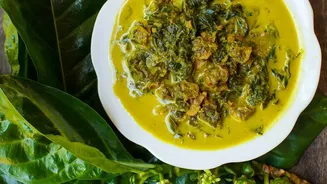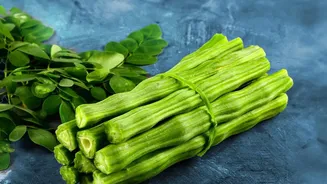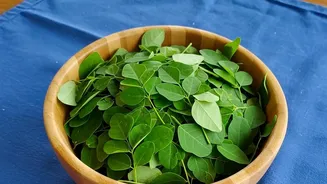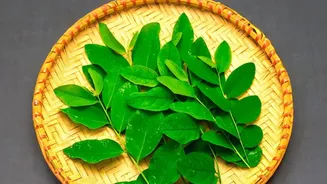



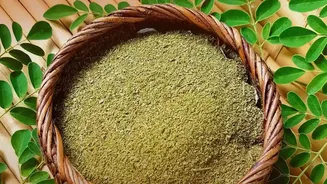
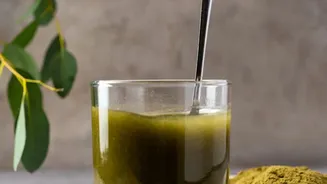
Often seen in backyards across India, the humble moringa or drumstick tree is having a major wellness moment. But this isn't a foreign superfood trend; it's a return to tradition, offering a simple way to enrich the food we already love.
Rediscovering a Nutritional Powerhouse
Known as the 'drumstick
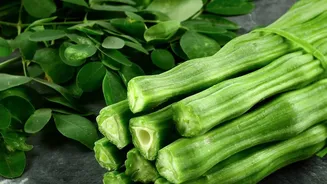
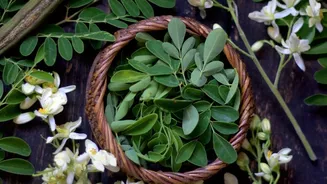
tree', Moringa oleifera has been part of traditional diets and medicine for centuries. While the drumsticks are a beloved vegetable in dishes like sambar, the leaves are the real nutritional stars. Packed with protein, vitamins A and C, iron, potassium, and calcium, moringa leaves offer a more potent nutritional profile than many other greens. They are rich in antioxidants, which help the body combat inflammation and oxidative stress. This makes them an incredible, locally available 'superfood' that doesn’t require a lifestyle overhaul to enjoy.
Simple Prep for Maximum Benefit
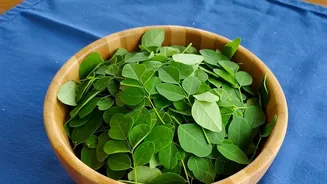
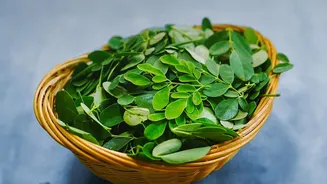
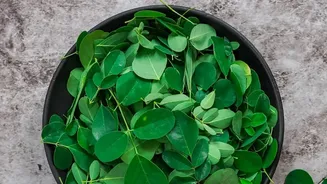
Using fresh moringa is straightforward. The leaves grow on feathery branches; to prepare them, simply hold the stem and strip the leaves off with your fingers. The tiny stems connecting the leaflets are tender and perfectly edible, but you should discard the thicker, woodier stalks. Give the leaves a good rinse in a large bowl of water to let any dirt settle. For the best flavour and texture, choose tender, vibrant green leaves. Their taste is mildly earthy and green, similar to spinach but with a slight peppery or horseradish-like note that mellows with cooking.
Effortlessly Boost Your Dal
One of the easiest ways to incorporate moringa is by adding it to dal. Whether you prefer toor, masoor, or moong dal, a handful of moringa leaves can be stirred in during the last 5-10 minutes of cooking. This is just enough time for the leaves to wilt and become tender without losing all their nutrients. You can add them directly to the pressure cooker with the lentils or stir them into the dal after the tadka. The leaves blend seamlessly into the texture of the dal, adding a subtle green flavour and a massive nutritional upgrade to this daily staple.
Enrich Your Roti, Dosa, and Idli
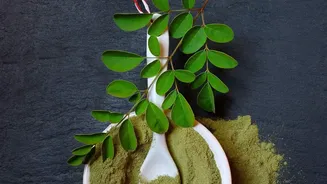
Give your daily breads and batters a green boost. Finely chop a cup of fresh moringa leaves and knead them into your chapati or paratha dough along with spices like ajwain and turmeric. The leaves soften beautifully as the parathas cook. Similarly, you can stir chopped leaves or moringa powder into your dosa, adai, or idli batter before cooking. The mild flavour of the leaves is easily complemented by the spices and chutneys typically served alongside these dishes, making it a simple way to add extra vitamins and protein.
Elevate Everyday Sabzis and Stir-fries
Treat moringa leaves like any other leafy green, such as palak or methi, in your vegetable preparations. A simple moringa poriyal (stirfry) with onions, mustard seeds, and grated coconut is a classic South Indian side dish. You can also add a generous amount to potato or paneer sabzis in the last few minutes of cooking. The leaves wilt quickly and absorb the flavours of the surrounding spices, turning a simple weekday meal into a more nutrientdense and interesting dish.
A Note on Moderation
While moringa leaves are incredibly healthy, they are also potent. For those new to eating them, introducing them gradually can help avoid digestive issues like bloating or gas. Cooking the leaves, as suggested in these familiar dishes, generally makes them easier to digest than consuming them raw in large quantities. As with any food, moderation is key. Individuals with specific health conditions, such as low blood pressure or blood sugar issues, or those who are pregnant, should consult a doctor before making moringa a significant part of their diet.