





A Multi-Sensory Overload
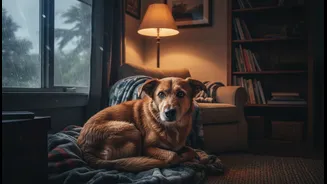
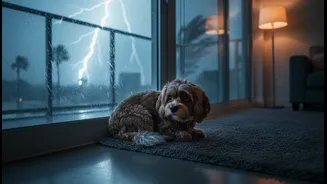
For pets, a thunderstorm isn't just a loud noise; it's a full-blown sensory assault. Dogs and cats have hearing far more sensitive than humans, capable of detecting low-frequency rumbles long before we can. To them, a clap of thunder can feel like an explosion.
But the fear, known as astraphobia, isn't just about sound. Pets can also sense the drop in barometric pressure that precedes a storm, which can cause discomfort. Some experts also point to the buildup of static electricity in the air, which can create an unpleasant tingling sensation in a pet's fur, causing them to seek out grounded spaces like bathrooms.
The Apartment Amplifier Effect
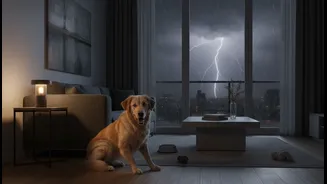
Living in a high-rise or apartment building can unfortunately amplify these triggers. Concrete and glass structures can echo and intensify the sounds of thunder and lashing rain. With large windows and balconies, there's less escape from the frightening flashes of lightning. Unlike a house with a basement or multiple interior rooms, an apartment offers fewer quiet, insulated spaces for a pet to retreat. This confinement can heighten their sense of panic when they can't find a spot that feels truly safe from the overwhelming sights and sounds of the storm.
Recognising the Signs of Distress
It's crucial for owners to distinguish between mild uneasiness and a genuine phobia. Severe noise anxiety manifests in various ways, and it often gets worse over time if unaddressed. Obvious signs include intense trembling, heavy panting, drooling, and non-stop pacing. A terrified pet might whine, bark, or meow excessively. They may also engage in destructive behaviours like scratching at doors or chewing furniture in an attempt to escape the perceived threat. Other signs are more subtle, like hiding, refusing food, house soiling, or becoming unusually clingy.
How to Create a Safe Space
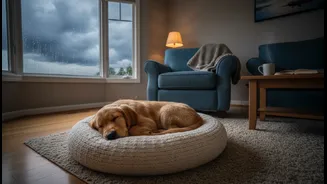
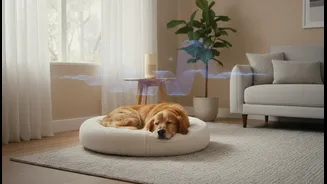
Your primary goal is to help your pet feel secure. The most effective strategy is to create a 'safe den' before a storm hits. This should be in the most sound-proofed part of your apartment, like an interior closet or a bathroom without windows. Fill it with their favourite soft blankets, a toy, and an item of your clothing that carries your scent. If your pet is crate-trained, their crate can serve as this den; draping a thick blanket over it can provide an extra sense of security. Close the curtains and blinds throughout the apartment to block out flashes of lightning.
Calming and Distraction Techniques
You can help mask the storm's noise by playing soft, calming music or turning on a white noise machine or television. Don't try to drown out the thunder completely; just provide a consistent, predictable soundscape. Try to distract your pet with a quiet indoor game or a special treat-dispensing puzzle toy to create a positive association. Anxiety wraps, like the popular ThunderShirt, apply gentle, constant pressure that can have a swaddling, calming effect on many animals. Pheromone diffusers, which release calming scents specific to dogs or cats, can also help lower stress levels.
The Owner's Role and When to Seek Help
Your pet looks to you for cues. It's vital that you remain calm and act normally during a storm. Comforting your pet is fine, but excessive coddling can sometimes reinforce the idea that there is something to be afraid of. Instead, offer calm reassurance. If your pet's anxiety is severe—leading to destructive behaviour or self-harm—or doesn't improve with these strategies, it's time to consult a professional. A veterinarian can rule out any underlying medical issues and discuss a behavioural modification plan or the possibility of anti-anxiety medication for severe cases.