







An Early and Dry Withdrawal?
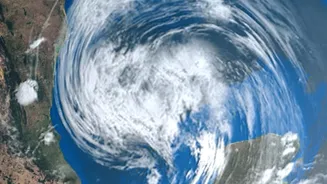
The southwest monsoon, the lifeblood of India's agriculture, typically begins its withdrawal from the northwestern parts of the country around mid-September. However, 2026 is shaping up differently. Meteorologists are pointing to the strengthening El
Niño, a climate pattern known for suppressing rainfall in India. The India Meteorological Department (IMD) has already forecast below-normal rainfall for September. Some projections even suggest the withdrawal process could begin on time or slightly early, potentially around September 17, following what has already been a season with deficient rainfall in many parts of the country. This combination of less rain and an on-time or early departure is what raises concerns.
The Crucial Impact on Agriculture
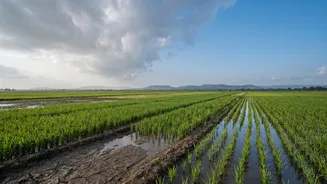
A dry end to the monsoon has a direct and immediate effect on farming. While sowing for the summer Kharif crops is largely complete, key crops like rice are in a critical growth phase where they still need water. A shortfall in September rains can stress these plants, potentially reducing yields. Perhaps more importantly, the retreating monsoon is vital for ensuring adequate soil moisture for the upcoming Rabi (winter) crop season. Farmers depend on this residual moisture to sow crops like wheat, gram, and mustard. If the ground is too dry, it can lead to delayed sowing or a shift towards crops that require less water, impacting national food production. Farmers may become more reliant on groundwater, increasing pressure on already strained aquifers and raising energy demand for irrigation pumps.
Strained Water Reservoirs
The monsoon is the primary season for replenishing India's major reservoirs, which are critical for drinking water, irrigation, and hydropower generation. As of early September 2026, the country's overall reservoir storage stood at just over 70% of capacity, an improvement from previous weeks but still below the ten-year average in some regions. While central and western India have seen their reservoirs in a relatively healthy state, levels in the northern and southern regions have been a cause for concern, showing a significant decline compared to the previous year. An abrupt and dry end to the monsoon means these reservoirs will not receive their final, crucial top-up. This could lead to carefully managed water releases in the months ahead, affecting supply for cities and the water available for Rabi crops.
Broader Economic Ripple Effects
The performance of the monsoon has always been closely linked to India's economic health. A weaker agricultural output can dampen rural demand, which is a significant driver of the economy. Lower crop yields can also lead to food price inflation, putting pressure on household budgets. Beyond the fields, a deficit in rainfall has implications for the energy sector. Reduced water levels in reservoirs can curtail hydropower generation, forcing a greater reliance on fossil fuels like coal to meet the country's power needs. Conversely, some sectors might see a minor uptick. For instance, drier weather often leads to fewer disruptions in construction and infrastructure projects, allowing work to continue at a steady pace.