

The Psychology of Cosiness
When the world outside turns grey and damp, there's a natural, almost primal, instinct to seek out warmth and comfort. This is the core principle behind the monsoon decor shift. It’s less about a fleeting trend and more about creating an environment that
counters the gloom. Much like the Scandinavian concept of 'hygge', this seasonal adjustment is about curating a feeling of contentment and well-being. By introducing 'warmer' textures, you're not just decorating; you're engaging in a form of sensory layering that makes your home feel like a protective, comforting embrace against the persistent rain. This shift is a direct response to the weather's effect on our mood, using tactile elements to uplift spirits.
Defining Warm Textures
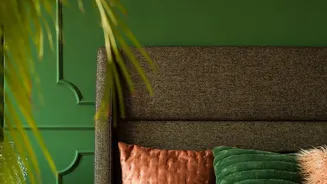
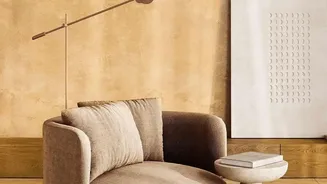
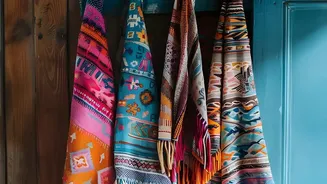
So, what exactly are 'warmer textures'? The term extends far beyond just fabrics. It’s about materials that are visually and physically comforting. Think of swapping light summer linens for richer, plusher textiles like velvet, chenille, or wool. These fabrics have a deeper pile and a softer touch, making them irresistible for curling up on the sofa. But texture also includes non-fabric elements. The rustic, inherent warmth of wooden pieces—be it a serving tray, picture frames, or a side table—lends a grounding, earthy charm to a room. Similarly, metals like aged brass or copper add a warm, reflective glow that combats the flat light of an overcast day.
Layering Fabrics for Depth and Comfort
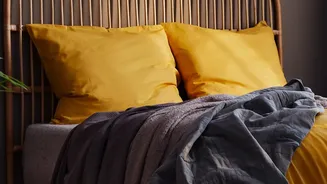
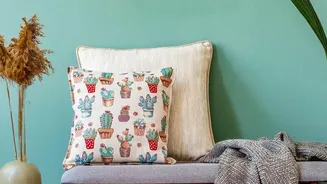
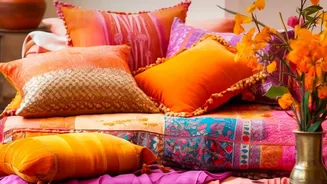
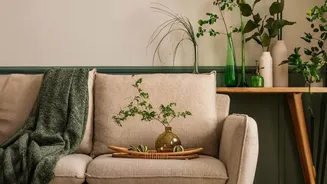
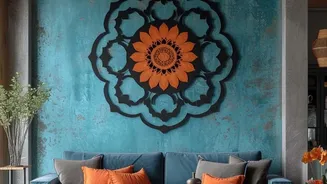
One of the easiest ways to introduce warmth is by layering different textiles. Start by swapping lightweight summer curtains for slightly heavier ones, or even adding a layer of sheers to soften the incoming light while maintaining privacy. On your sofa and chairs, pile on cushions in varying textures and colours. A velvet cushion next to a chunky knit one creates immediate visual and tactile interest. Don’t forget the floor; laying down a wool or even a thick cotton rug can instantly make a room feel warmer underfoot and absorb sound, adding to the tranquil atmosphere. Throws and blankets draped over armchairs or folded at the end of a bed are not just decorative but also highly practical for a quick snuggle.
Beyond Textiles: Wood, Metal, and Light
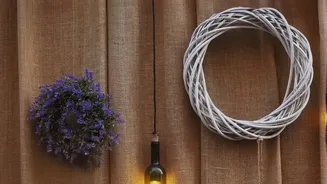
To truly embrace the concept, look beyond fabrics. Wooden elements are a cornerstone of warm decor. This could be as simple as using handcrafted wooden bowls for snacks or a larger piece like a teak coffee table. The natural grain and tones of wood provide a connection to nature, which is especially welcome when you're stuck indoors. Warm-toned metals also play a crucial role. A brass lamp, a copper vase, or even metallic-threaded cushions can catch and reflect the soft indoor light, creating a cosy glow. Speaking of light, this is a key component of texture. Ditch harsh overhead lighting in favour of layered, ambient light from table lamps and floor lamps. Using warm-toned bulbs will enhance the richness of your chosen fabrics and materials, making the entire room feel more inviting.
The Finishing Touches: Scent and Greenery
The final layer of texture is sensory. The monsoon often brings a musty smell, which can be countered with the right fragrances. Scented candles with notes of spice, wood, or vanilla add to the warm and cosy ambience you're creating. Fresh flowers in vibrant colours not only add a pop of brightness against the grey backdrop but also bring a natural, pleasant scent. Similarly, introducing indoor plants that thrive in humidity, like ferns and peace lilies, can make your space feel fresh and full of life, creating a seamless connection between the lush outdoors and your comfortable indoor haven.