

Beyond the Vacuum
When we think of dangers on the Moon, the lack of air and extreme temperatures come to mind. While these are critical challenges, the true long-term threats to a sustainable human presence are more subtle and complex. The Moon is not a benign, static
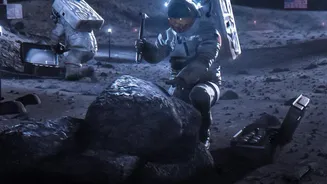
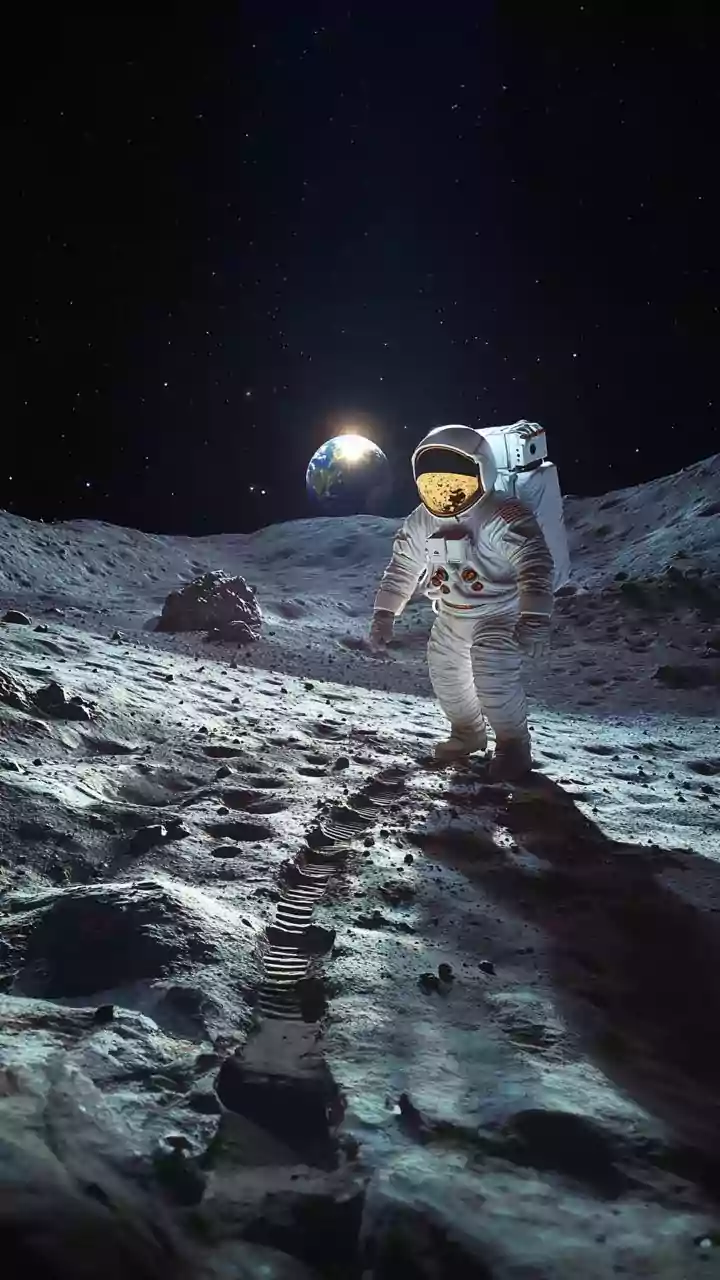
world; it's an active and abrasive environment. The ground shakes with 'moonquakes', the surface is bombarded by micrometeorites, and a constant shower of cosmic radiation poses a serious health risk to astronauts. Then there's the dust—a problem that proved far more than a simple nuisance during the Apollo missions. Recognizing that survival depends on mastering this environment, NASA has selected a new suite of scientific investigations to create a 'survival guide' for the Moon. These missions, part of the Payloads and Research Investigations on the Surface of the Moon (PRISM) program, will deploy advanced instruments to scout for resources and, most importantly, characterize the hazards future moon-dwellers will face.
The Menace of Moon Dust
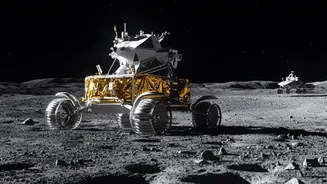
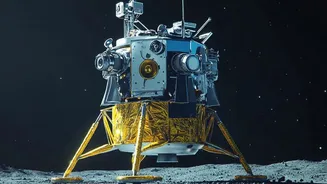
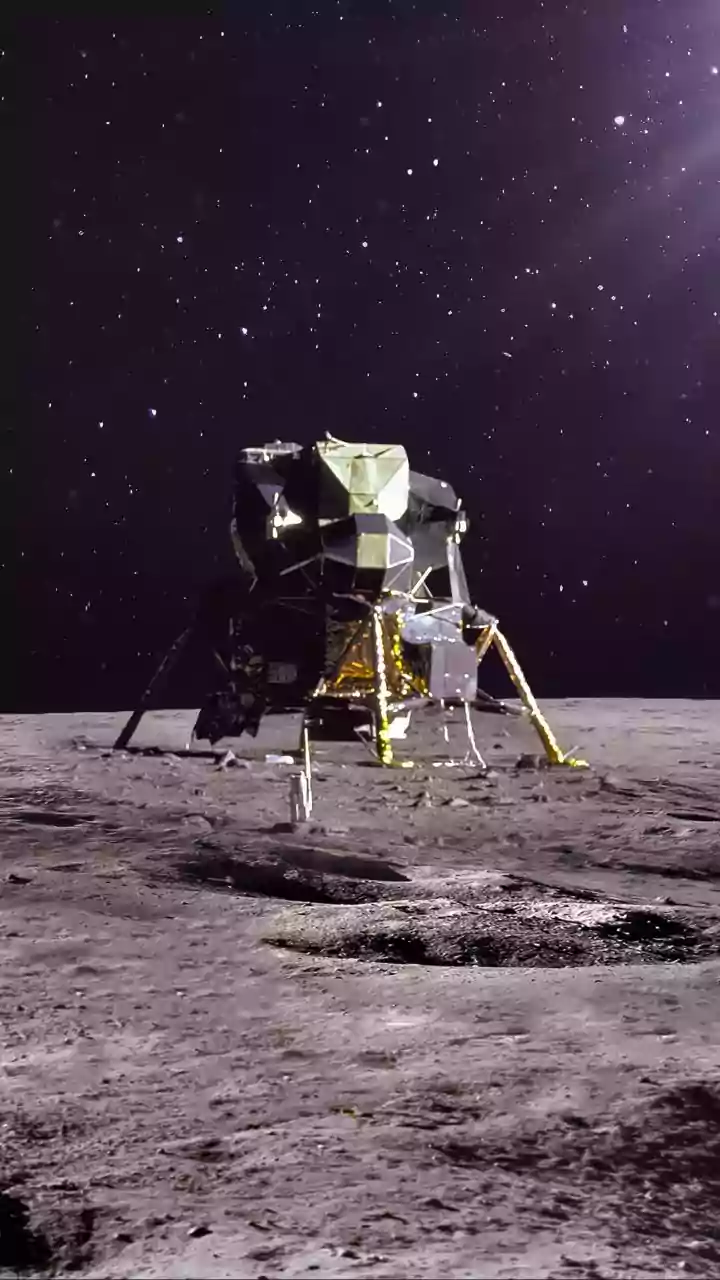
Lunar dust, or regolith, is one of the most significant and pervasive threats. Unlike sand on Earth, which is worn smooth by wind and water, lunar regolith is composed of tiny, sharp, glass-like particles forged by billions of years of micrometeorite impacts. During the Apollo missions, this abrasive dust clung to everything, scratched visors, clogged mechanisms, and caused respiratory irritation for astronauts once it was tracked inside the lunar module. The dust is also electrostatically charged by solar radiation, causing it to levitate and stick to surfaces, making contamination almost unavoidable. To better understand and mitigate this, NASA is sending a payload called the Depth Imager with Spectral and Color Optics (DISCO). This investigation will study how rocket exhaust plumes disturb the ground upon landing—a critical data point for building a safe and stable launchpad for reusable landers. It will also analyse the stability of the lunar surface for rovers and other mobile equipment.
An Unstable Surface
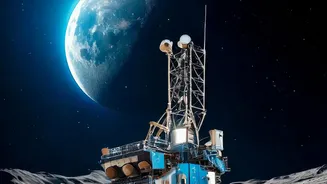
The Moon may seem geologically dead, but it experiences thousands of seismic events, or moonquakes, each year. These can be caused by meteorite impacts, the gravitational pull of Earth, or the cooling of the lunar interior. Before constructing habitats designed to last for years, engineers need to understand the frequency and intensity of this seismic activity. To address this, NASA has selected the Lunar Environment Monitoring Station – South Pole (LEMS-SP). This autonomous station will operate for a long duration, using a seismometer to listen for moonquakes and track micrometeoroid impacts. This data will provide the first long-term hazard assessment of the lunar south pole, the target region for the Artemis program's permanent base. The information gathered by LEMS-SP will be crucial for designing structures that can withstand the subtle but persistent shaking of the lunar ground.
The Search for Shelter
One of the best ways to protect astronauts from radiation, micrometeorites, and extreme temperature swings is to go underground. Scientists have long theorized that the Moon may host vast, hollow lava tubes—tunnels left behind by ancient volcanic activity. An intact lava tube could offer a pre-made, naturally shielded habitat. A new investigation, playfully named Geophysical Instruments for Marius Lunar pit Investigation (GIMLI), will explore one of the most promising candidates: the Marius Hills Pit. This mission will use a combination of radar, seismic sensors, and gravity readings to peer beneath the surface and determine if the pit is an entrance to a larger cave system. Confirming the existence of a stable lava tube would be a game-changer for future settlement plans, potentially offering a safe haven for astronauts and critical equipment.
Mapping the Resources
Survival on the Moon also means learning to live off the land, and the most critical resource is water ice. Deposits of ice are believed to exist in permanently shadowed regions (PSRs) near the lunar poles, where sunlight never reaches. These areas are incredibly cold and present their own unique hazards, such as the build-up of electrostatic charge. The DISCO payload will play a dual role by providing the first on-the-ground measurements of this ice. Its instruments will search for ice hidden in 'micro-cold traps' and determine its abundance. This information is vital for developing technologies that can extract and convert water into breathable air, drinkable water, and rocket fuel—key elements for a self-sustaining lunar outpost. By mapping both hazards and resources simultaneously, these new investigations represent a crucial and practical step toward making a lunar base a reality.