




The Pilot Project on Key Routes
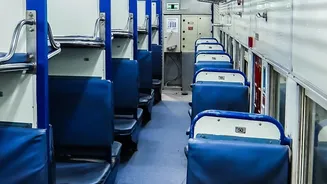
The Indian Railway Catering and Tourism Corporation (IRCTC) has launched a pilot project with a streamlined menu on three Vande Bharat sleeper services. This trial, which began on November 1, 2026, is currently active on the New Delhi-Varanasi, Mumbai-Bengaluru,
and Howrah-Kamakhya routes. The core idea is to test whether a more compact, focused menu can lead to a better overall passenger experience. Officials have indicated that the initiative is a direct response to frequent passenger complaints regarding food quality, consistency, and hygiene on long-distance services. By reducing the number of dishes, IRCTC aims to make quality control easier to manage, drawing inspiration from the catering models used by airlines.
What's On (and Off) the Menu?
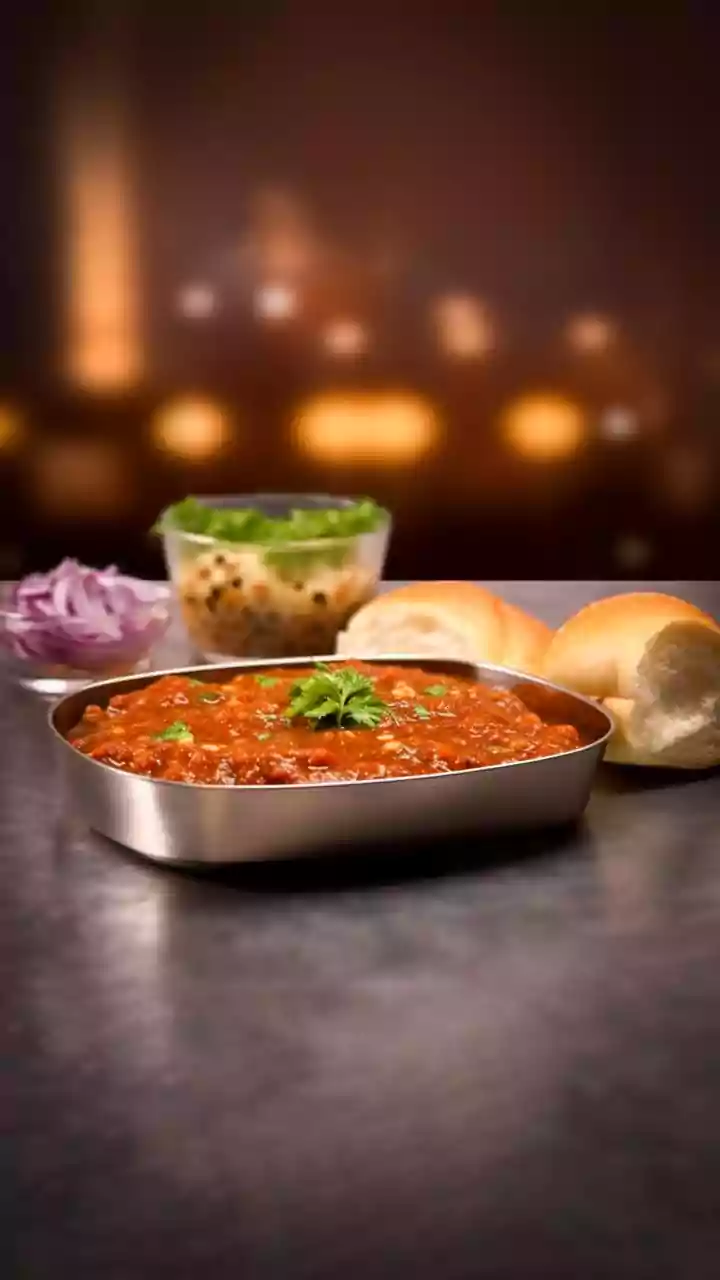
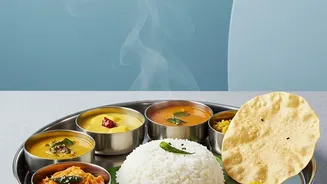
The new menu represents a significant shift from the previous, more elaborate spread. For breakfast, options like soup, omelettes, sandwiches, buttermilk, and chocolate have been removed. Passengers are now offered a choice between items like idli-vada with sambar, poha, or upma. Similarly, the lunch and dinner trays have been simplified. Accompaniments such as dry vegetables, curd, salad, pickles, and sweets are no longer part of the standard meal. The focus is now on a core combination of chapati, rice, dal, and a single main dish, with a choice between a vegetarian and a non-vegetarian (chicken) option. This change has also reduced the total weight of a meal from around 700-750 grams to approximately 450-500 grams, although IRCTC officials state the portion sizes of the remaining items have not been reduced.
Quality and Speed Over Variety
The primary rationale behind the trial is the belief that a simpler menu is easier to execute with high quality. Railway officials have pointed to the operational challenges of preparing a wide variety of dishes in the limited space and time available in pantry cars. By shrinking the menu from 8-10 items down to about four, the catering teams and their partners—which now include major cloud kitchens and hospitality groups like TajSATS and Sarovar Portico—can better monitor freshness and hygiene. This approach is intended to address past incidents and a rising number of complaints about cold, stale, or contaminated food. Early data from IRCTC's West Zone has reportedly shown a 10% drop in catering-related complaints since the changes were implemented, suggesting the move may be having the desired effect.
The Passenger Trade-Off
For passengers, the new system presents a clear trade-off: a potentially higher and more consistent quality of food in exchange for fewer choices. While the promise of better, fresher meals is appealing, the removal of popular items like curd, salads, and sweets might be felt by those used to a more comprehensive meal tray. The ultimate success of this pilot project will hinge on passenger feedback. IRCTC is closely monitoring customer responses on the three trial routes before making any decision to expand the compact menu concept to other Vande Bharat services or different premium trains like the Rajdhani or Shatabdi Express. The question remains whether travellers on these premium services will value the improved quality and efficiency enough to accept the reduced variety. As catering charges are included in the ticket fare, passengers will also be watching to see if the lighter meals lead to any adjustments in price.