




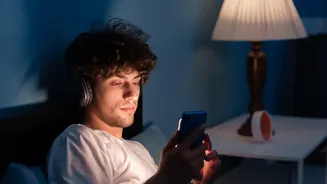


The Problem with the Evening Glow
From smartphones to laptops, digital devices are an integral part of modern life. However, the light they emit, particularly blue light, can significantly disrupt our natural sleep patterns. Our bodies have an internal clock, or circadian rhythm, that
tells us when to be alert and when to rest. This clock is heavily influenced by light. When it gets dark, the brain produces a hormone called melatonin, which signals that it's time to sleep. Exposure to blue light in the evening tricks our brain into thinking it's still daytime, which suppresses melatonin production. This makes it harder to fall asleep, reduces sleep quality, and can shift our entire sleep cycle later.
Why Youth Are Especially Vulnerable
While blue light affects everyone, adolescents and young adults are particularly susceptible. A teenager's natural circadian rhythm already tends to shift towards later bedtimes. When you add hours of late-night screen use for studying, socialising, or streaming, this effect is amplified. This combination can lead to significant sleep deprivation, which has been linked to a range of issues including difficulty concentrating, mood swings, and poor academic performance. Over time, chronic poor sleep can even contribute to more serious health problems. Given the deep integration of digital devices in their lives, it is crucial for young people to find ways to mitigate these effects.
The Rise of a Screen-Free Alternative
The good news is that a powerful and increasingly popular alternative is gaining traction across India: audio entertainment. Platforms offering audio series, podcasts, and audiobooks are experiencing a surge in engagement, especially among young listeners. A recent survey highlighted this cultural pivot, showing that millions of young Indians are choosing audio because it offers intimacy and sparks imagination in a way screens cannot. For many, audio is no longer just background noise but a primary form of entertainment, with nearly half of listeners in one study consuming over 10 episodes a day. This shift away from screens is driven not just by a desire to reduce eye strain, but by a craving for immersive storytelling.
Making the Switch for Better Sleep
Trading your screen for speakers in the evening doesn't have to be a chore; it can be an enjoyable new ritual. The key is to find content that captivates you. India's audio landscape is booming, with genres ranging from romance and drama to fantasy and horror available in Hindi and numerous regional languages. Instead of scrolling through social media, you could lose yourself in a gripping audio drama or a fascinating podcast. Start by setting a 'digital curfew'—a rule to put away screens at least an hour before bed. Use this time to explore the vast world of audio. Create a calming playlist, start an audiobook, or find a podcast that helps you unwind. Many find that listening to a story is a perfect way to transition into sleep, allowing the mind to relax without the harsh stimulation of a screen.
More Than Just a Good Night's Rest
The benefits of embracing audio entertainment extend beyond simply avoiding blue light. Engaging with audio stories can strengthen listening skills and focus, which are essential for academic success. Unlike passive video consumption, listening requires active imagination, as your brain works to visualise the characters and settings. This form of entertainment is also incredibly flexible, fitting seamlessly into daily routines like commuting or doing chores. Furthermore, podcasts can be a source of shared family experiences, sparking conversations and creative play. By making a conscious choice to switch to audio in the evenings, you’re not just preparing your body for rest; you're also engaging your mind in a richer, more imaginative way.