







Why Monsoon Wreaks Havoc on Your Skin
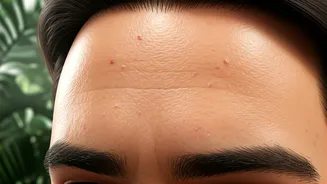
That sticky, oily feeling isn't just in your imagination. During the monsoon, the air becomes saturated with moisture. This high humidity can disrupt your skin's natural balance. [3] It signals your sebaceous glands to produce even more oil, creating
a perfect storm for clogged pores and acne. [4, 7] At the same time, this humid environment can be a breeding ground for bacteria and fungi, increasing the risk of skin infections. [6, 20] Paradoxically, all this external moisture can actually dehydrate your skin. The constant cycle of sweating in the humid air and then moving into drier, air-conditioned spaces can compromise your skin's protective barrier, leading to a loss of internal hydration. [9] A weakened barrier is also more susceptible to irritation and flare-ups. [2]
The ‘Skip Moisturiser’ Myth
When your face feels like an oil slick, the most intuitive reaction is to ditch the moisturiser. However, dermatologists warn this is a common mistake that can backfire. [6] Skipping moisturiser can dehydrate your skin, even if it feels greasy on the surface. [10] When your skin lacks hydration, it can overcompensate by producing even more oil to protect itself, worsening the very problem you're trying to solve. [14] The key is not to eliminate this crucial step but to adapt it to the season. Hydration and oiliness are two different things, and even oily skin needs moisture to remain balanced and healthy. [6, 8] The solution lies in choosing the correct texture and formulation that works with the climate, not against it.
Gels vs. Creams: Choosing Your Texture
Not all moisturisers are created equal, and monsoon is the time to be discerning. The primary difference lies in texture and formulation. Creams are typically richer, containing more oil-based emollients designed to create a protective barrier and lock in moisture, which is ideal for dry weather. [15] However, in high humidity, these heavy creams can feel suffocating, trap sweat, and clog pores. [13, 19]
This is where gel moisturisers shine. [13] These are water-based, lightweight, and absorb quickly without leaving a greasy film. [15, 21] They provide essential hydration without the heaviness, making them the superior choice for most skin types, especially oily and combination skin, during the rainy season. [11, 13] They feel refreshing on the skin and create a smooth base for sunscreen, which remains a non-negotiable step even on cloudy days. [11, 17]
Hero Ingredients for Humid Weather
When scanning the ingredient list, a few key players are particularly beneficial during the monsoon. Look for humectants, which are ingredients that draw moisture from the air into your skin. [5, 8] Top performers include:
* Hyaluronic Acid: This powerhouse ingredient can hold up to 1,000 times its weight in water, providing intense hydration without any of the grease. [5, 23] It plumps the skin from within, leaving it feeling fresh and dewy.
* Niacinamide: A true multi-tasker, niacinamide helps regulate oil production, which is a major plus in humid weather. [5, 14] It also helps to strengthen the skin barrier, reduce inflammation, and can improve the appearance of pores. [23]
* Glycerin: Another effective humectant, glycerin helps to hydrate the skin and maintain its moisture balance. [5, 8]
* Aloe Vera and Green Tea: These botanical ingredients are known for their soothing and anti-inflammatory properties. [18] They can help calm irritated skin and provide lightweight hydration.
Application Is Everything
How you apply your moisturiser can make a significant difference. For best results, apply your lightweight moisturiser to slightly damp skin, for instance, within a few minutes of cleansing. [16] This helps to lock in an extra layer of hydration. In humid weather, a little goes a long way; you likely need less product than you would in drier winter months. [16] A coin-sized amount is usually sufficient for the face and neck. [13] Pay attention to your skin's needs—it might feel oilier on some days and more balanced on others. Adjust your routine accordingly. And remember to change your pillowcases and face towels more frequently, as the damp environment can cause bacteria to multiply.