



Beyond the Buffet Line
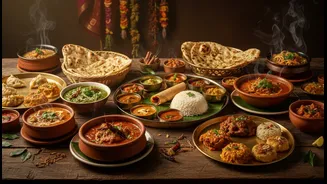
The global perception of Indian cuisine is undergoing a radical and delicious transformation. For years, the story was one of rich gravies, predictable buffets, and a handful of dishes like chicken tikka masala that became shorthand for an entire subcontinent's
culinary heritage. While these dishes introduced Indian flavours to the world, they also created a monolithic stereotype that flattened the country's immense diversity. Today, that narrative is being rewritten. A new generation of chefs, both in India and across the diaspora, is leading a movement built on confidence and authenticity. They are no longer simplifying or diluting recipes for international palates. Instead, they are presenting regional specialties, traditional techniques, and local ingredients with unapologetic pride, and global diners are becoming more curious and appreciative as a result.
A Celebration of Regionality
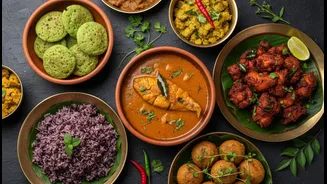
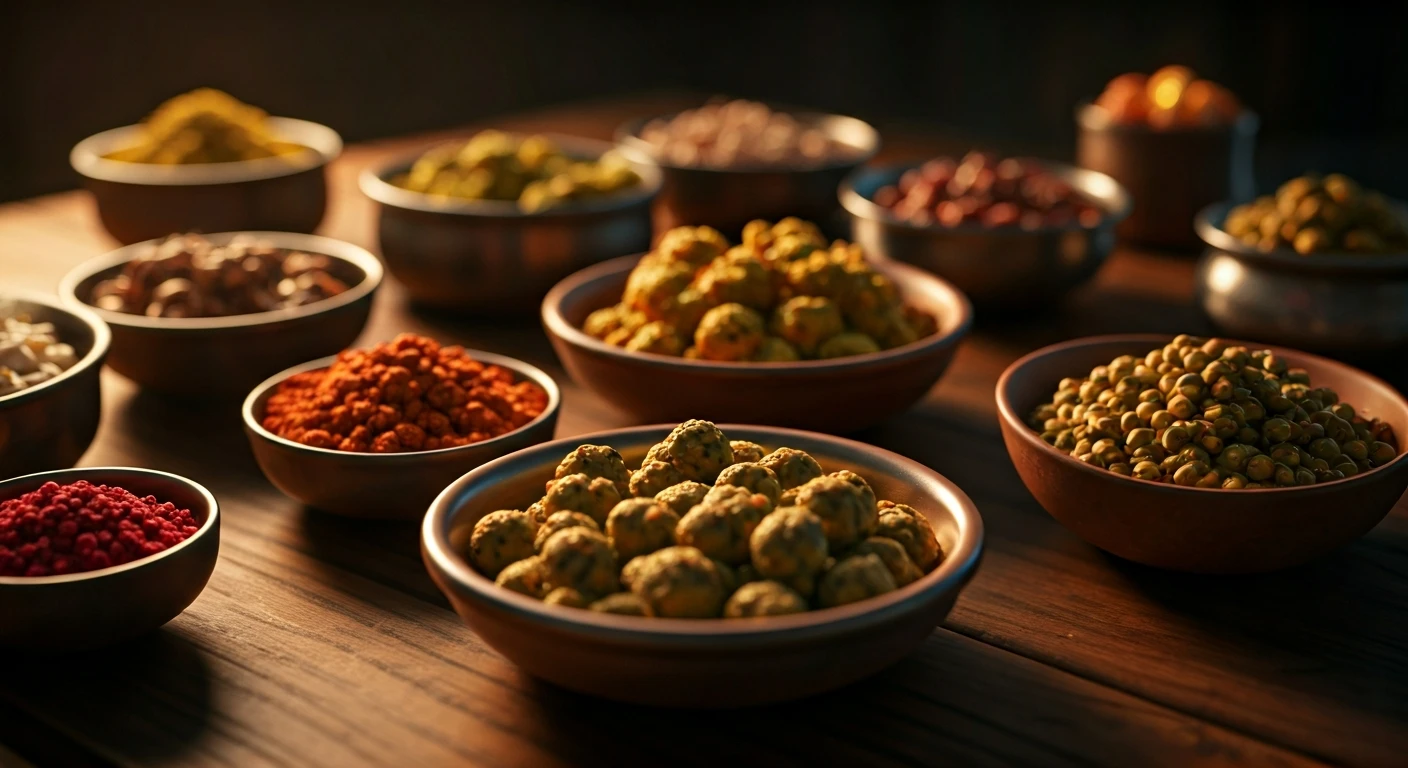
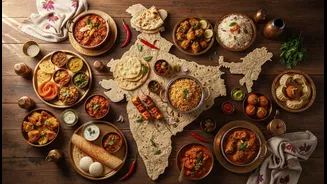
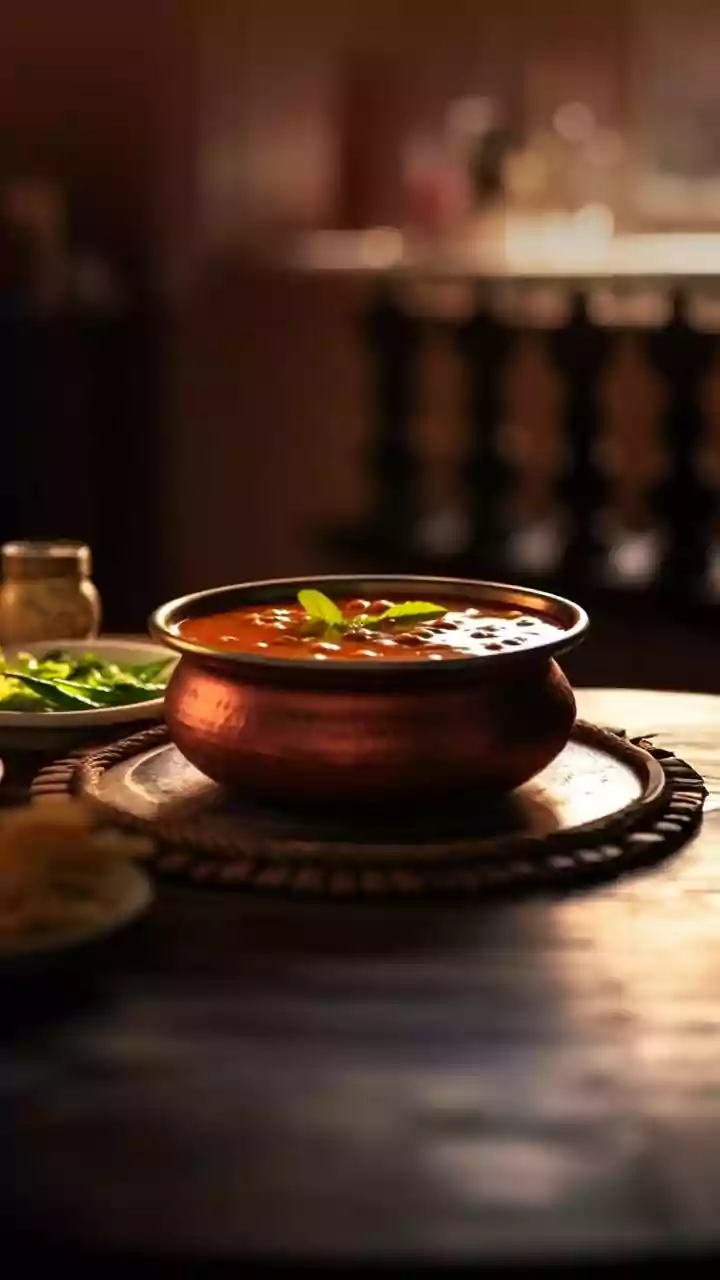
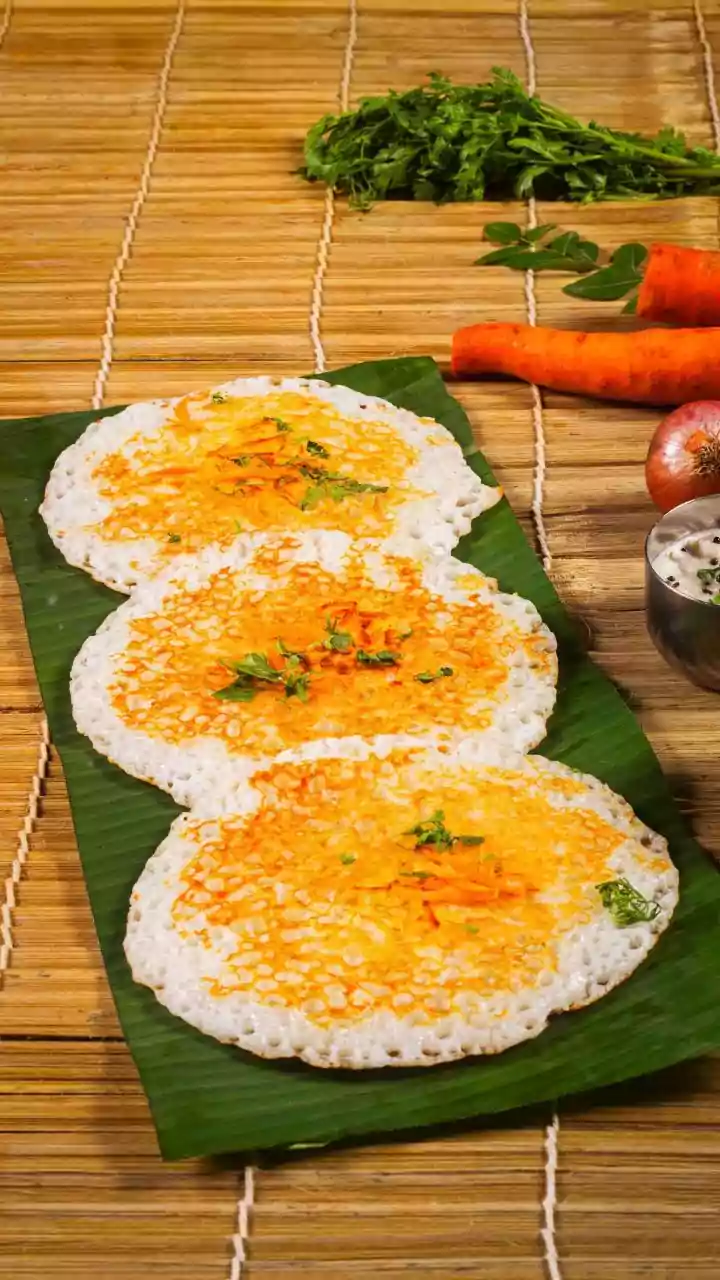
Perhaps the most significant shift is the move away from a generic "Indian" menu towards hyper-regional specificity. Chefs are now championing the distinct culinary identities of India’s states and communities. Menus are shining a spotlight on the coastal, coconut-rich dishes of Kerala, the smoky and earthy flavours of Nagaland, the savoury street food of Mumbai, and the complex vegetarian thalis of Gujarat. This focus allows for a deeper and more honest exploration of Indian food culture. Diners are discovering that a dish from Punjab can be entirely different from one in Tamil Nadu, each telling a unique story of its climate, history, and people. This trend is driven by a growing consumer appetite for dishes that feel rooted and soul-satisfying, moving beyond novelty to seek genuine cultural experiences.
Innovation Rooted in Tradition
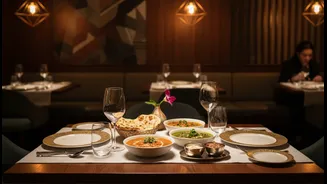
This new wave isn't about abandoning tradition but evolving it. Early forays into "modern Indian" cuisine were often defined by performative twists like foams and gels that sometimes missed the soul of the dish. The current movement is more thoughtful. Chefs are using modern techniques not as gimmicks, but to enhance or reinterpret traditional flavours. This might mean using sous-vide to perfect the texture of a kebab or pairing a classic spice blend with an unexpected local ingredient. Celebrity chefs like Vikas Khanna and the late Gaggan Anand have been pioneers, demonstrating how Indian food can be both deeply authentic and wildly innovative. This approach respects the past while confidently stepping into the future, treating heritage recipes as a foundation for creativity, not a restriction.
The New Guard of Culinary Ambassadors
This culinary renaissance is led by passionate chefs who see themselves as cultural ambassadors. Figures like Meherwan Irani of Chai Pani in the US are on a mission to change how America experiences Indian food, moving from fine dining to vibrant street food. In Chicago, Sujan Sarkar's restaurant Indienne earned a Michelin star by pushing the boundaries of tradition. These chefs are part of a global movement of Indian culinary professionals who are transforming palates from London to New York. They are leveraging a deep understanding of their heritage, celebrating heirloom grains, and telling the stories behind the food they serve. This newfound confidence is infectious, inspiring a new generation of cooks and restaurateurs to present Indian food on their own terms.
Why Now? A Perfect Storm of Factors
Several factors have created this perfect moment for Indian cuisine's global ascent. The growing and influential Indian diaspora has carried authentic family recipes across oceans. At the same time, global diners have become more adventurous, actively seeking authentic and diverse culinary experiences. The rise of social media has allowed chefs and home cooks to share regional dishes with a global audience instantly, bypassing traditional gatekeepers. Furthermore, the food world's increasing focus on plant-based eating aligns perfectly with India's rich and sophisticated vegetarian traditions. As consumers increasingly look for comfort, authenticity, and flavour, Indian food is no longer an occasional experiment but a trusted, mainstream choice.